English
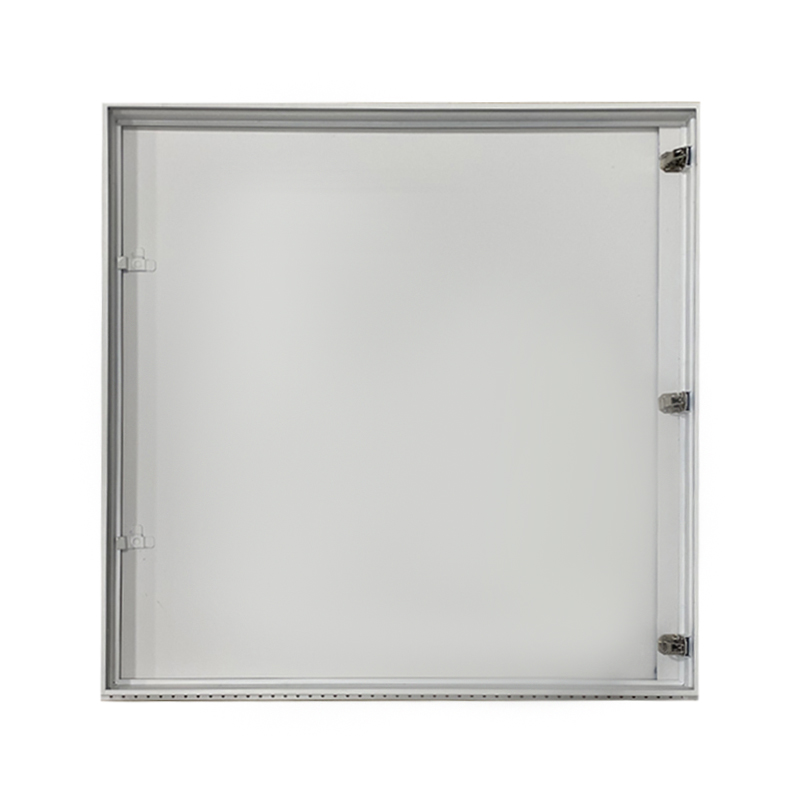
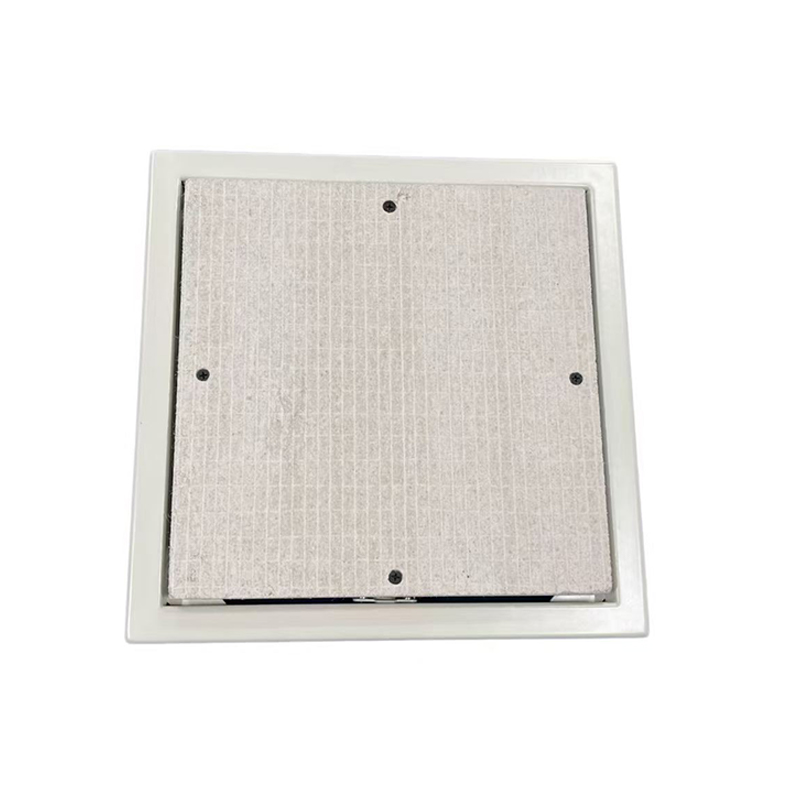
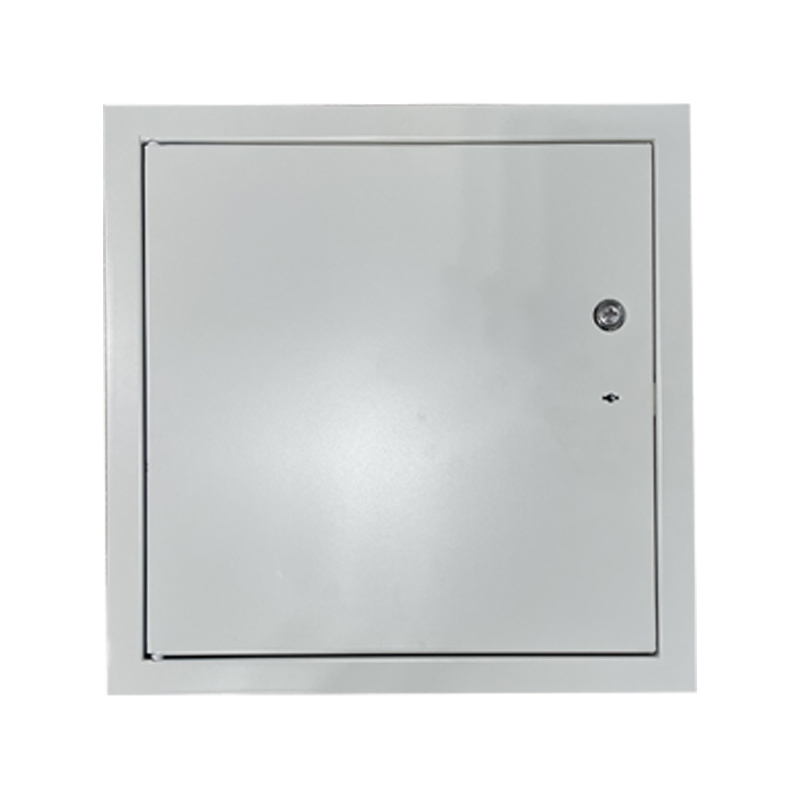
A duct access door is a hinged or removable panel installed directly on HVAC ductwork, providing technicians with a sealed entry point for inspection, cleaning, and component servicing. The right door type depends on three variables: duct pressure class, duct shape, and operating temperature. Getting any one of these wrong results in air leakage, failed inspections, or a door that distorts under system load.
Commercial HVAC systems are required by building codes to have accessible inspection and cleaning points at specified intervals along the ductwork. Without properly installed access doors, technicians cannot reach dampers, coils, or filters without cutting into the duct — which compromises both system integrity and air quality. A correctly specified duct access door maintains the duct's pressure rating and airtight seal while allowing repeated entry without degrading performance over time.
Low-pressure systems (below 500 Pa) are standard in most commercial office and residential HVAC installations and are served by a basic hinged galvanized steel door with a neoprene gasket. Medium- and high-pressure systems — common in industrial facilities, hospitals, and large commercial buildings — require doors with reinforced frames and compression-type gaskets rated to hold an airtight seal at pressures up to 2,000 Pa positive. Specifying a low-pressure door in a high-pressure duct will cause gasket failure and measurable airflow loss within months.
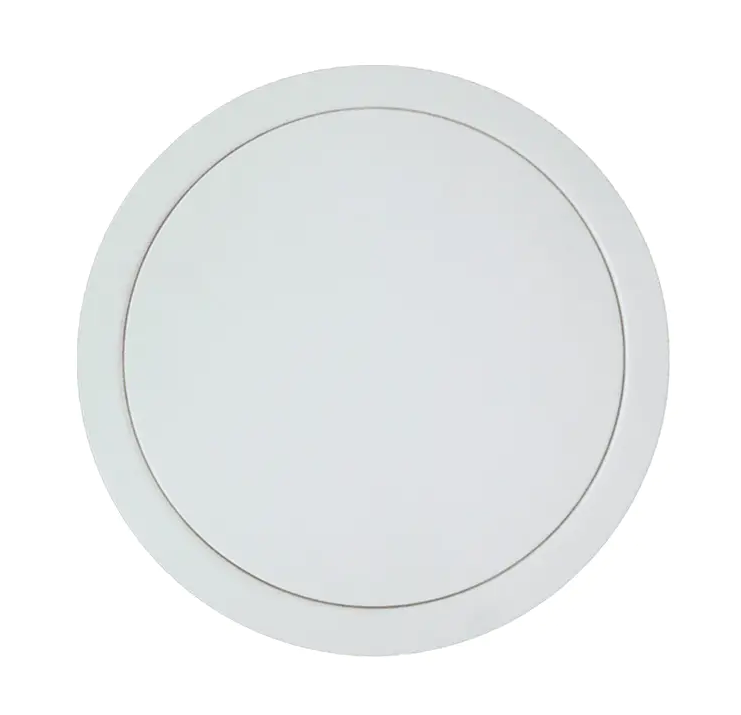
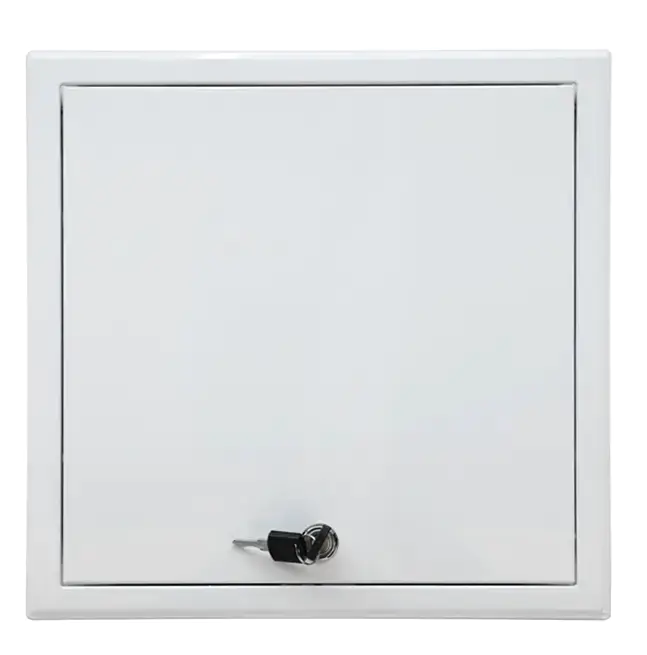
Rectangular sheet-metal ductwork — the dominant format in commercial construction — uses flat-panel access doors that mount flush to the duct face. Round ductwork requires a curved or saddle-mount door profile to maintain an airtight seal against the duct's curved surface. Fitting a flat door to a round duct, or ordering the wrong panel dimensions, produces gaps that defeat the purpose of a sealed access point entirely.
Standard HVAC duct access doors with neoprene gaskets are rated to approximately 200°F (93°C) — sufficient for conventional heating and cooling systems. Grease ducts in commercial kitchens operate at significantly higher temperatures and require fire-rated doors compliant with NFPA 96, using fiberglass rope gaskets and heavier-gauge steel rated to 1,000°F (538°C). Using a standard HVAC door on a grease duct is a code violation and a fire hazard.
| Door Type | Typical Application | Key Spec |
|---|---|---|
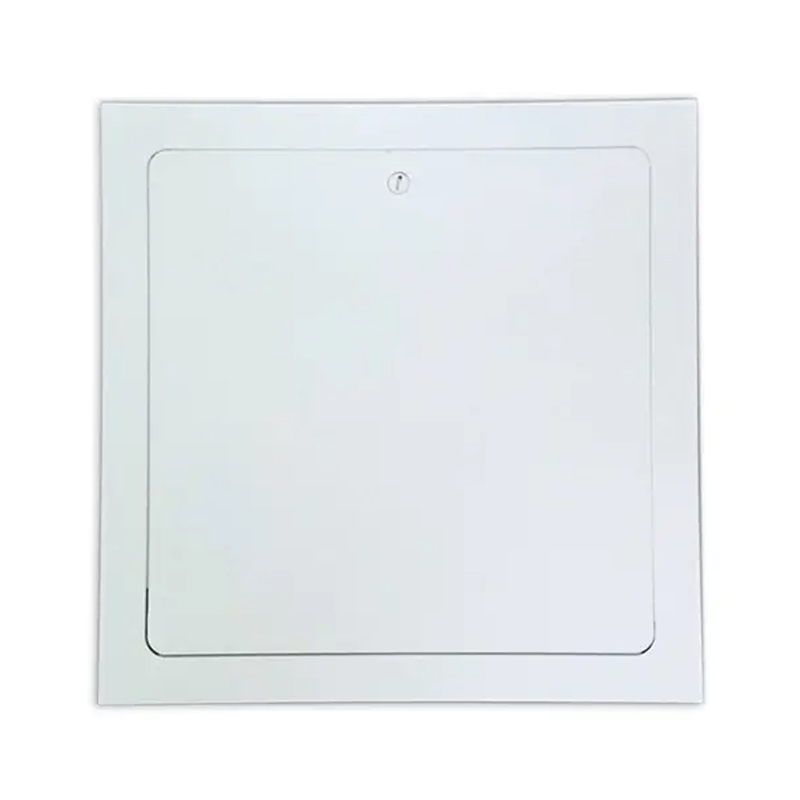
| Standard hinged (uninsulated) | Low-pressure HVAC, residential | Galvanized steel, neoprene gasket |
| Insulated hinged | Negative pressure / energy-sensitive systems | Fiberglass insulation core, UL classified |
| High-pressure door | Industrial HVAC, hospitals, labs | Rated to 2,000 Pa, compression gasket |
| Grease duct door | Commercial kitchen exhaust | NFPA 96 compliant, rated to 1,000°F |
| Round duct door | Circular ductwork, residential branch lines | Curved profile, saddle-mount seal |
Doors should be positioned upstream and downstream of every damper, coil, and filter bank, and at any point where the duct changes direction or transitions between sections that are difficult to clean from one end. SMACNA and local mechanical codes specify minimum access intervals — typically every 6–10 feet in systems requiring regular cleaning, such as kitchen exhaust or hospital air-handling units.
No. Grease ducts require fire-rated access doors that comply with NFPA 96 and are constructed from heavier-gauge steel with high-temperature gaskets. A standard galvanized HVAC door will fail under the heat and grease exposure present in commercial kitchen exhaust systems and does not meet code requirements for this application.
The door must be large enough for a technician to reach the component being serviced — in practice, a minimum of 12" × 12" for inspection and filter access, and 24" × 24" or larger where tools or hands need to enter the duct. Walk-through doors (typically 20" × 20" or larger) are specified for major mechanical rooms and air-handling units where personnel need to enter the duct system entirely. Always confirm the door size against the duct face dimension before ordering.

Contact Us
SHUNSHI provides a range of technical support services to ensure that customers are able to properly select, install and maintain these products.
Products
Access Panels GuideContact
Tel: 86-15988108762
86-572-8298792
Fax: 86-572-8298792
E-mail: [email protected]
No.281 Mingzhu Main Road, Leidian Town, Deqing, Huzhou, Zhejiang, China, 313219

 English
 Español
 عربى
عربى