English
After a heavy storm, a facility manager needs to inspect the roof. The fastest, safest way is not a portable ladder wedged against the parapet — it is a permanent roof hatch that opens onto a secure access point. An aluminum roof hatch is one of the most practical solutions for this job, especially on commercial buildings where rooftop equipment requires regular maintenance. It is lightweight enough to handle easily, durable enough to resist decades of weather, and cost-effective across the life of the building. The rest of this article explains why aluminum is a leading choice for roof hatches and what to check before you buy.
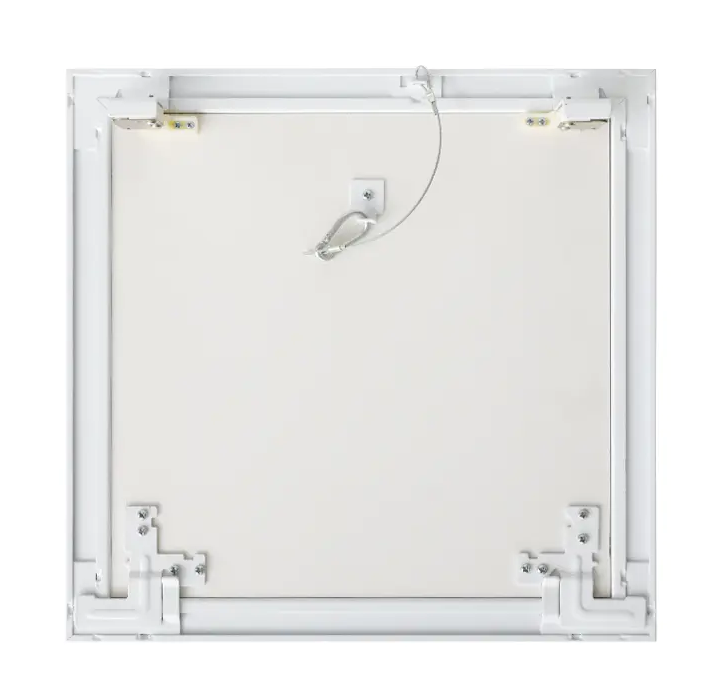
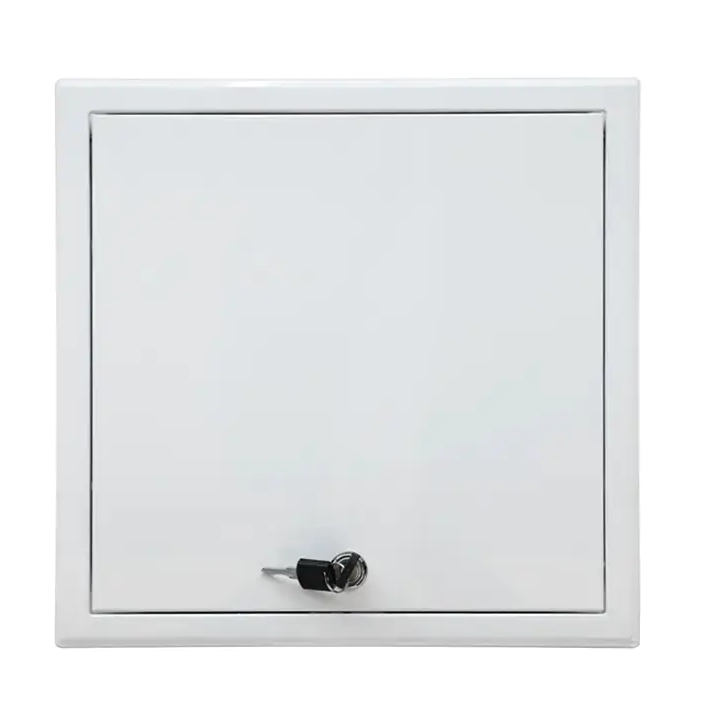
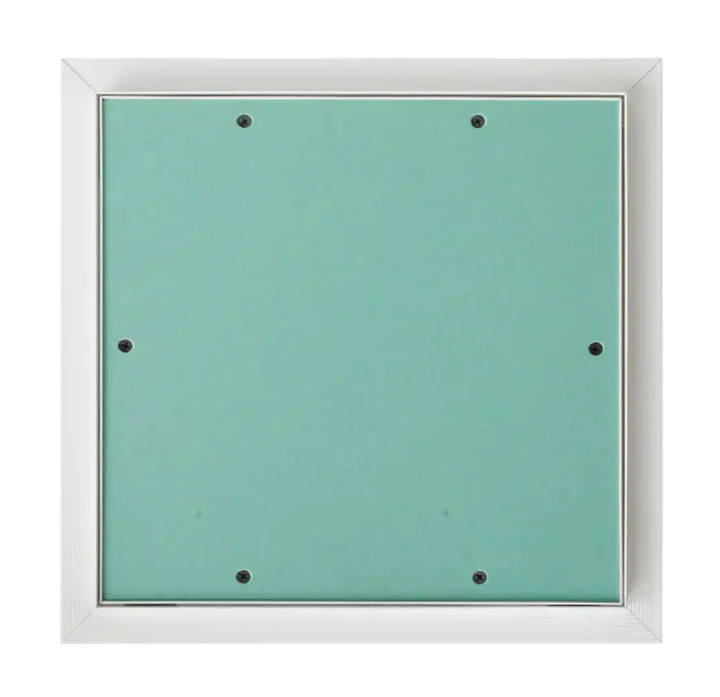
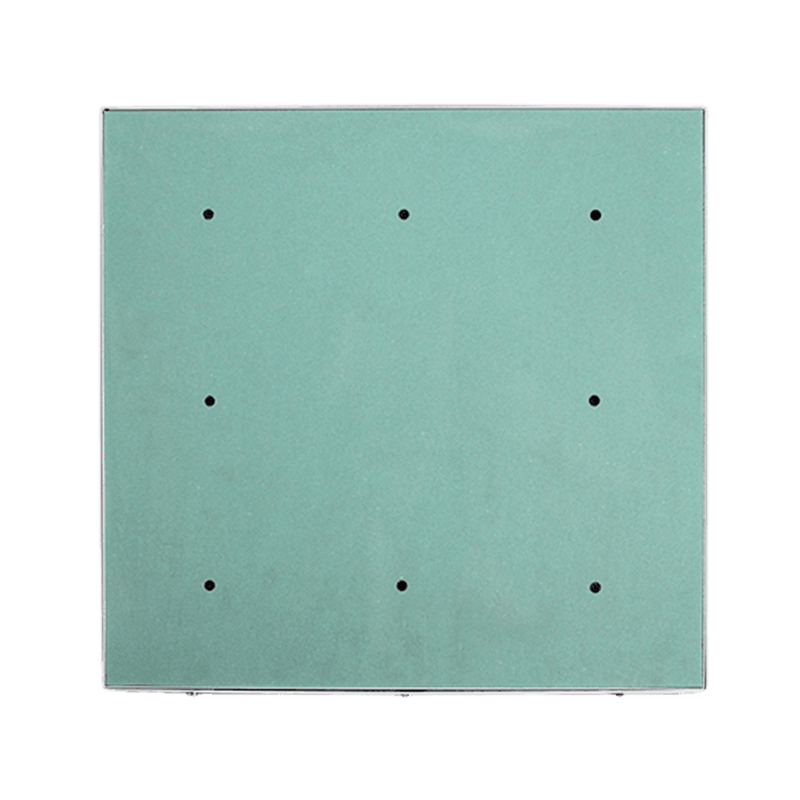
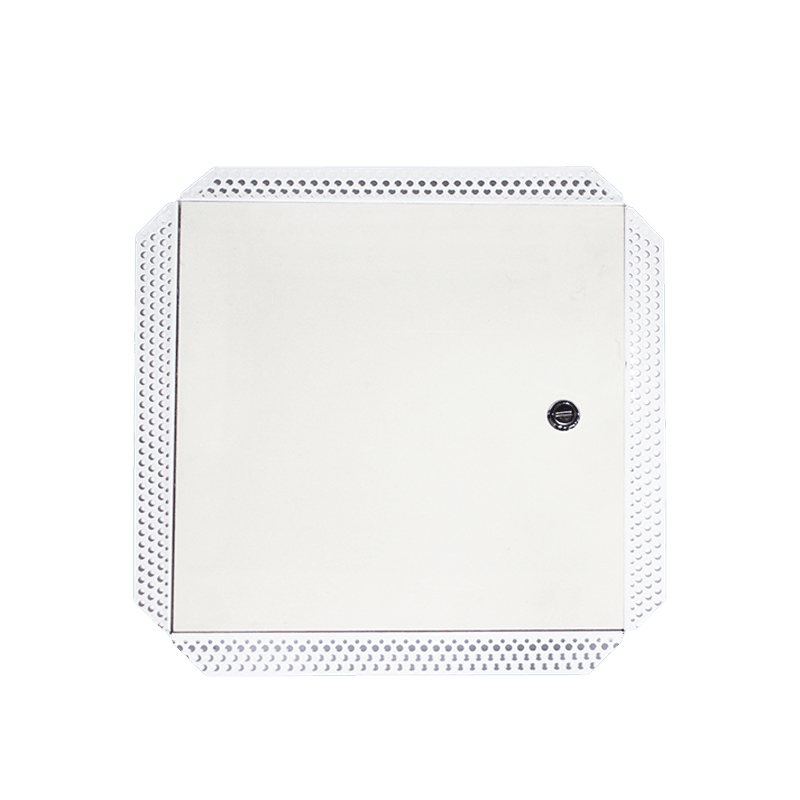
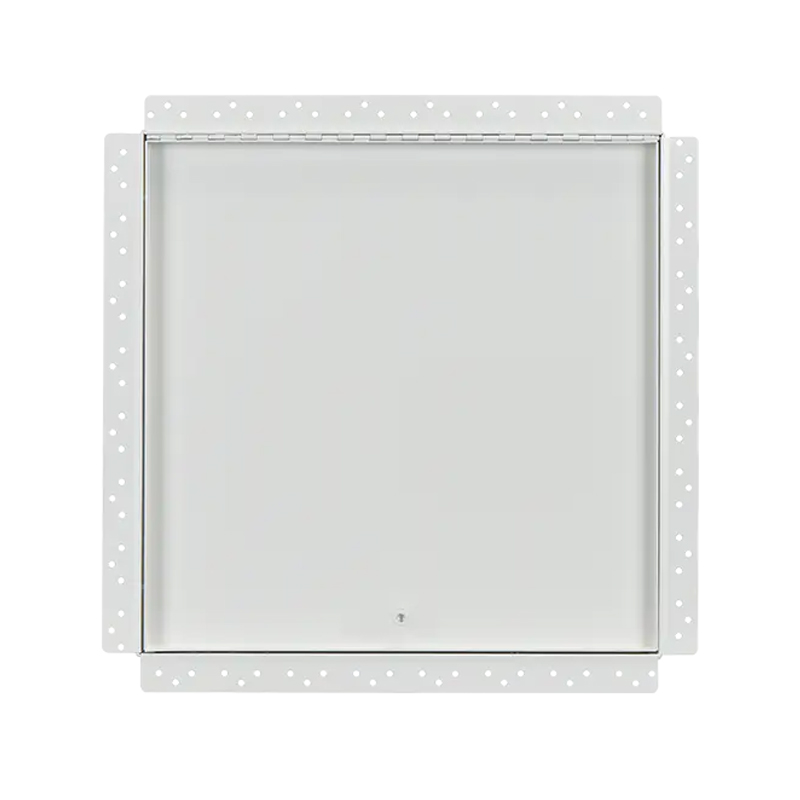
An aluminum roof hatch is a framed opening installed in a roof deck. Its lid opens upward or to the side, providing access for personnel, tools, and occasionally small equipment. The frame is made from extruded aluminum alloy, and the cover is usually reinforced with ribs or a composite panel. Because aluminum is naturally corrosion-resistant, the hatch can stand up to rain, humidity, and even salt air without rusting.
Common locations include flat roofs on schools, hospitals, warehouses, retail centers, and office buildings. Roof hatches are also used on industrial plants where ducts, vents, or exhaust fans need periodic cleaning. In many cases, local building codes require a safe route to the roof, and a roof hatch with a fixed ladder or staircase is the most compact solution.
For a typical commercial project, a well-designed aluminum unit such as the aluminum roof hatch SAAP420 combines a corrosion-resistant frame with a weather-sealed cover, making it a direct replacement for heavier steel assemblies in most non-traffic situations.
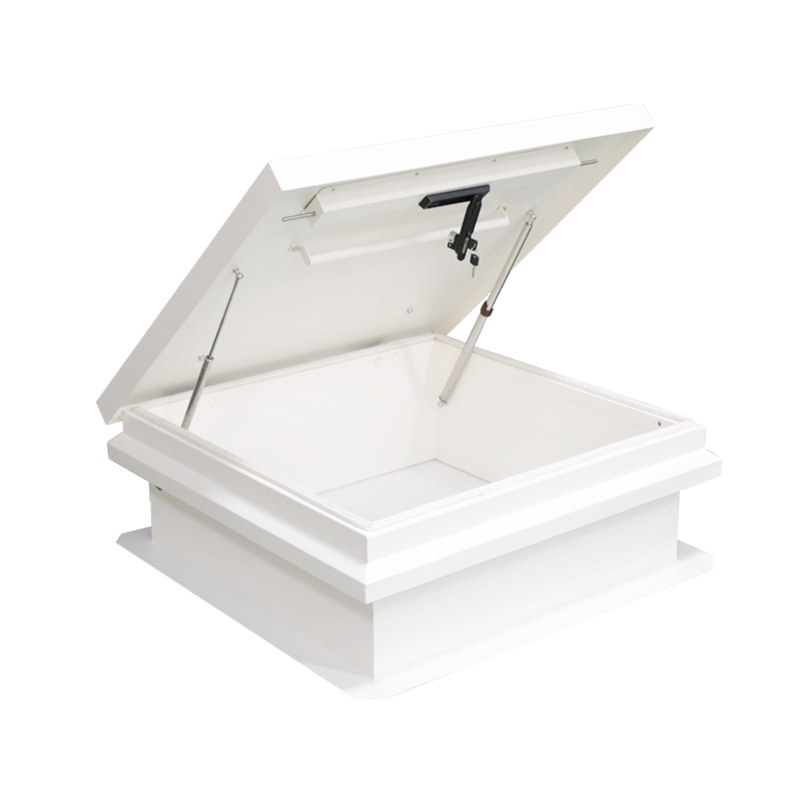 Wholesale Aluminum Roof Hatch SA-AP420 Suppliers, CompanyZhejiang Shunshi Intelligent Technology Co., Ltd is top China Wholesale Aluminum Roof Hatch SA-AP420 Suppliers and Company, details: HIGH...View Product →
The material choice drives performance, weight, and budget. For roof hatches, the main options are aluminum, steel, and plastic/fiberglass. Aluminum is often the most balanced option because it gives you the strength of metal at a fraction of steel’s weight. This matters on retrofits where the roof structure cannot support extra dead load.
| Material | Weight | Corrosion resistance | Strength | Typical use |
|---|---|---|---|---|
| Aluminum | Low (about 1/3 of steel) | Excellent; no rust | Good for ratings up to about 3 kN | Most commercial and coastal buildings |
| Galvanized or coated steel | High | Good only if coating remains intact | Very high | Heavy-duty or high-security openings |
| Plastic / fiberglass | Low | Excellent | Lower; can deform under heat | Light-duty or chemical plants (limited) |
For most roof maintenance work, aluminum's strength is more than adequate. It supports a technician and a tool bag, and the opening is not a regular traffic path. Steel hatches are a better fit when the hatch will carry concentrated loads from heavy equipment or when forced entry resistance is a priority. Plastic hatches are cheaper but tend to age poorly in direct sunlight and can lose stiffness in hot climates. That is why aluminum has become the default for many manufacturers, including our own roof hatch range.
The three numbers that matter most are clear opening size, design load, and weather performance.
The clear opening must be large enough for an adult with tools. Common sizes range from 600 mm square to 900 mm by 1200 mm. A handy reference for standard access panel dimensions can be found in our access panel size guide. Always order the clear opening, not the outside frame dimension, so you have enough space for your head and shoulders.
Even though a roof hatch is not a parking surface, it still needs a defined load rating. Most codes recommend at least 1.5 kN for one person plus tools, but many engineered hatches are rated to 3 kN or more. Check the specification sheet and ask for load test data if the hatch will hold a ladder or small equipment.
Leaks are the most common complaint with roof hatches. Look for a continuous compression gasket, a moulded curb that prevents water entry, and a cover that overlaps the frame. In tiled or sloped roofs, a flashing kit must be compatible with the roof material. If the building is in a cold climate, consider a thermally broken frame and insulated cover to avoid condensation on the underside.
A well-made hatch will leak only if the installation is wrong. Follow the manufacturer's instructions and use the supplied flashing.
Once installed, aluminum roof hatches require very little attention. Replace the weather seal if it becomes brittle, lubricate hinges once a year, and keep the top free of debris. For a full checklist, see our maintenance tips for roof hatches.
When you buy roof hatches in bulk, consistency matters as much as the product itself. A batch of misaligned lids can stall a whole construction project.
Start by asking for factory inspection reports and pre-production samples. Confirm whether the manufacturer tests hinges, gaskets, and water tightness before packing. Inquire about OEM branding, custom colors, and special sizes if your projects require a unique finish or dimension. Establish the MOQ and lead time early, and remember that a serious factory will be willing to discuss reject rates and inspection stages without hesitation.
Working directly with a factory like Shunshi gives you visibility into the production line. Our OEM and quality control documentation explains the typical audit steps, but even basic questions about defect standards and sample approval can separate a manufacturer that controls tolerances from a middleman who simply resells generic stock.
An aluminum roof hatch is a small component that plays a big role in keeping buildings safe and serviceable. It can transform a dangerous roof climb into a simple, repeatable procedure for decades. By choosing the right material, verifying the load and weather ratings, and inspecting the installation, you can avoid the most common roofing headaches. And when you work with a manufacturer that understands both production and site conditions, you get a hatch that pays for itself over the lifetime of the building.


Contact Us
SHUNSHI provides a range of technical support services to ensure that customers are able to properly select, install and maintain these products.
Products
Access Panels GuideContact
Tel: 86-15988108762
86-572-8298792
Fax: 86-572-8298792
E-mail: [email protected]
No.281 Mingzhu Main Road, Leidian Town, Deqing, Huzhou, Zhejiang, China, 313219

 English
 Español
 عربى
عربى