English
Most maintenance openings are square, but the voids behind them are not. Ducts follow round paths, concrete slabs are cored in circles, and many plant rooms have curved wall surfaces that a rectangular panel simply will not sit flush against. A circular steel access panel is the direct answer to that geometry mismatch. It provides a clean, sealed opening that can be opened and closed without distorting the surrounding ceiling or wall. The real purchasing decision is not the shape itself but the diameter, frame design, latch type, and how the panel will be sealed into the surrounding finish. Getting those four details wrong usually means a second trip to the site, a non-functioning opening, or a visible gap that needs patching.
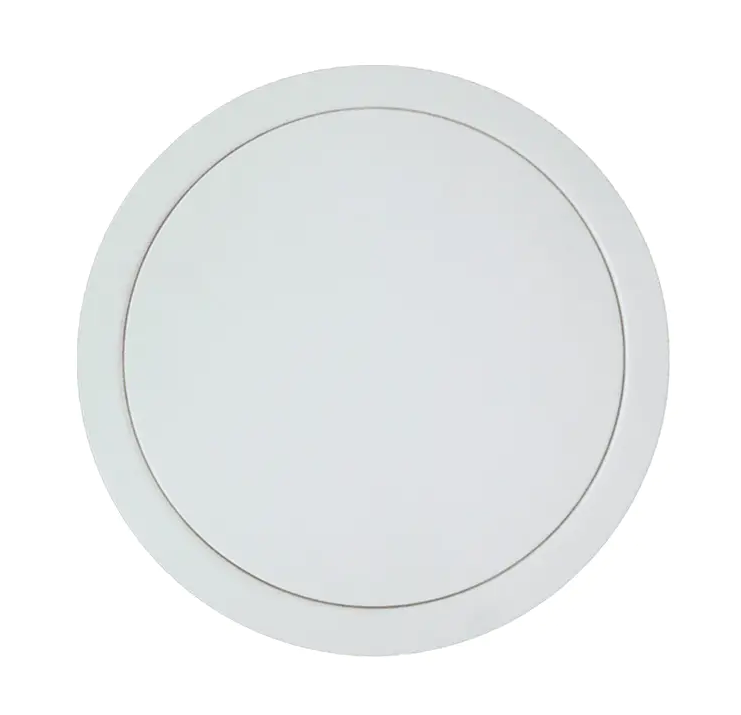
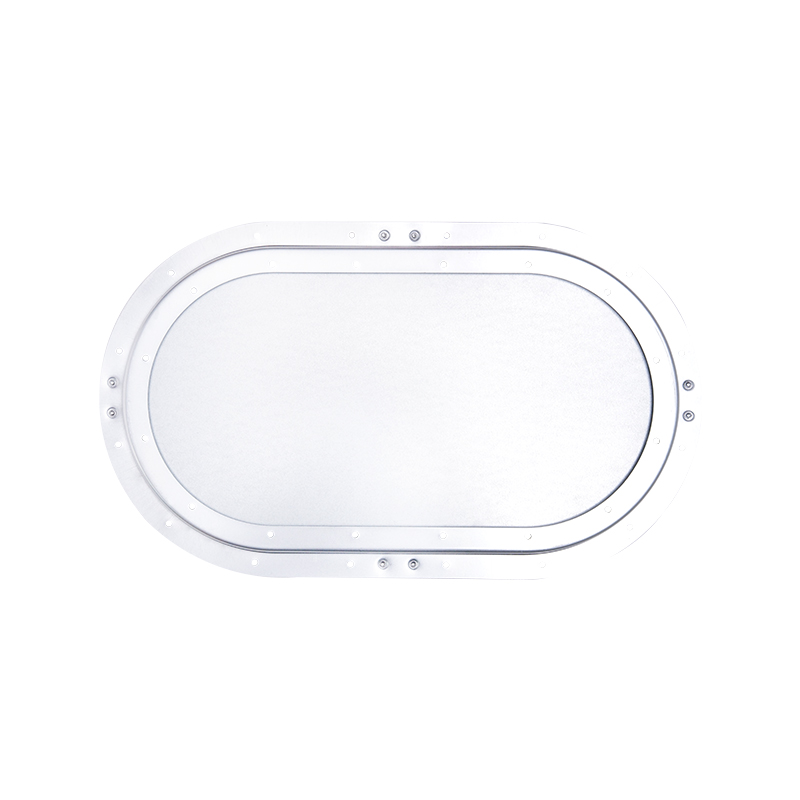
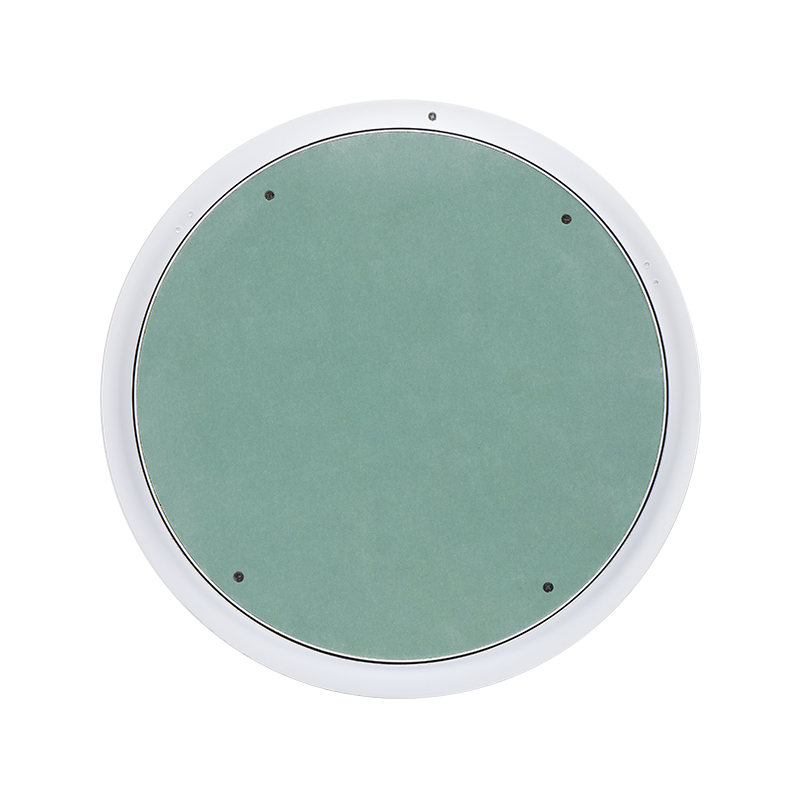 Circular Steel Access Panel for Ceiling and Drywall MaintenanceThis round panel aligns with circular ducts and openings, reducing transition work. Powder-coated finish and sealing strips ensure a clean, sealed opening.View Product →
A circular opening spreads load evenly around its perimeter, cleanly avoiding the stress concentrations that develop at the 90-degree corners of a rectangular cutout. In a ceiling, this means the panel is less likely to induce hairline cracks in the plasterboard as the building settles. In a duct or pipe enclosure, a round panel reduces the amount of transition work needed because it naturally aligns with the round service it is intended to access.
The application range extends beyond ceilings. Corrosion-prone services in basements, valve boxes in plant rooms, and waste lines behind walls all benefit from a circular access point that can be sealed with a gasket. The round geometry also makes it easier to paint and plaster around, because the cut edge has no hard angle to prep.
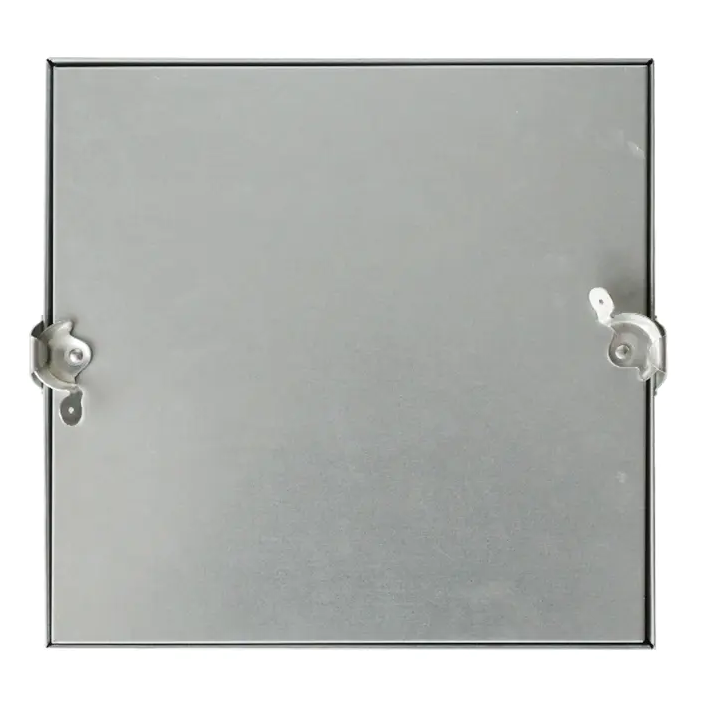
Steel is the default material choice when the panel faces repeated physical contact. A cold-rolled steel door keeps its shape better than a soft alloy and retains screws more consistently. A powder-coat or galvanized finish protects the steel in the humid and dusty environments found in plant rooms, basements, and utility shafts. For extra-heavy use, a heavy-duty galvanized access panel adds door thickness and a reinforced frame that resists distortion under load.
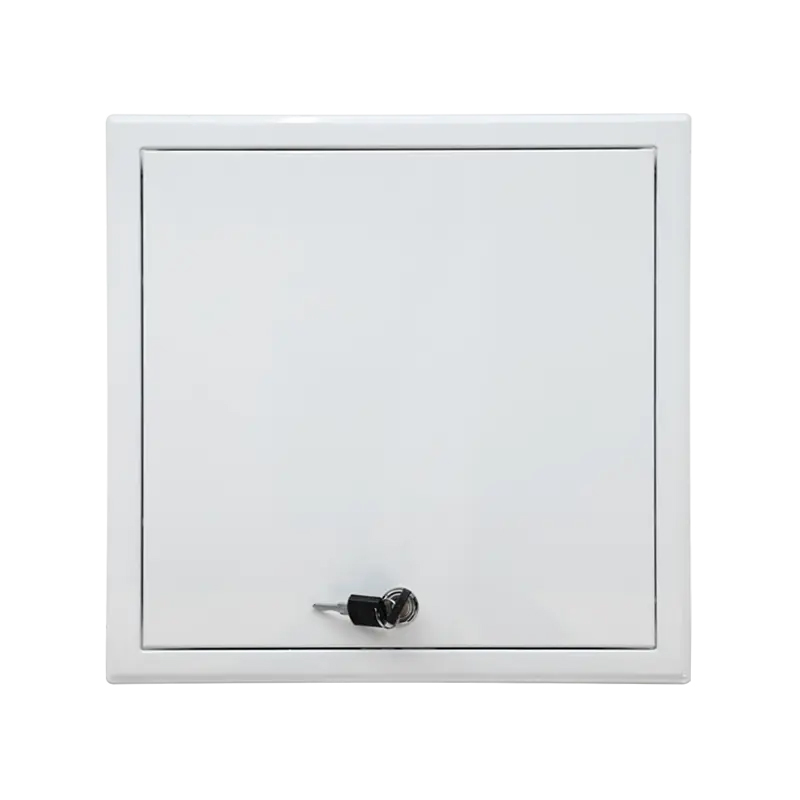
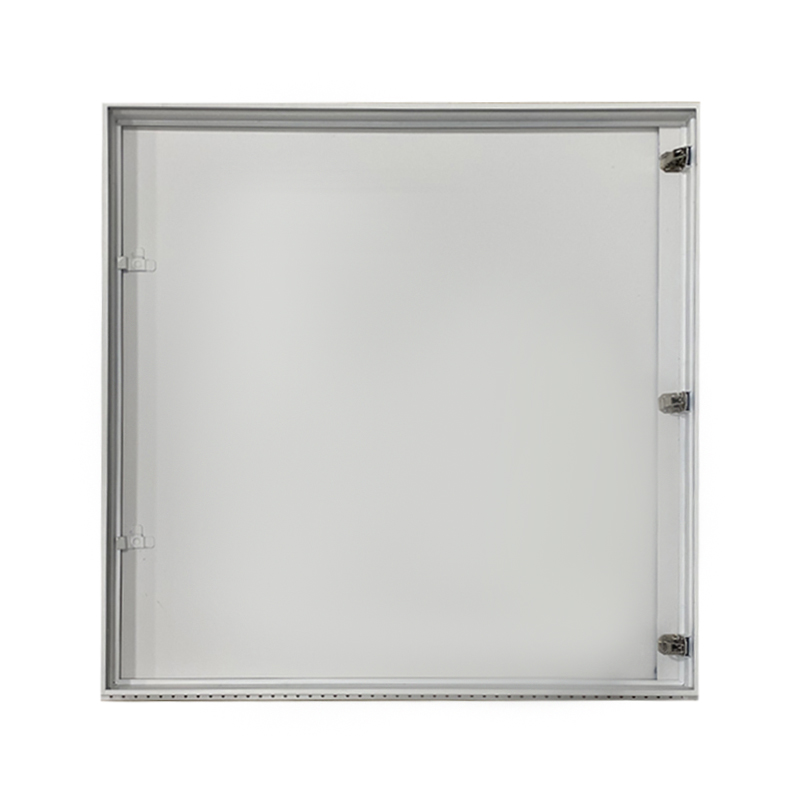 Heavy Duty Galvanized Steel Access Panel for Tough EnvironmentsBuilt with 2mm galvanized steel, this panel resists corrosion and distortion, making it suitable for frequent access in plant rooms, basements, and shafts.View Product →
Three values define a circular access panel: nominal diameter, frame style, and latch type. The nominal diameter is the panel size stated by the manufacturer, while the rough opening you cut in the surrounding substrate is normally slightly larger. Always check the manufacturer's recommended opening dimensions rather than trusting the label alone. A useful reference is available in this access panel size and dimension guide.
| Nominal diameter | Typical rough opening | Common service use |
|---|---|---|
| 150 mm | 160 to 170 mm | Cable risers, small inspection points |
| 200 mm | 210 to 220 mm | Valve access, light fixture voids |
| 300 mm | 315 to 325 mm | Ceiling void, HVAC damper control |
| 450 mm | 465 to 475 mm | Large duct access, plant room openings |
The table shows typical anchor points, but the actual rough opening tolerance is a specification detail. A beaded frame hides a wider cut, while a flush frame requires a cleaner edge and a more accurate aperture. If the rough opening is too large, the frame will not sit flush and the latch may bind. If the rough opening is too small, the frame edge will not be covered and a visible gap remains. If you are working with gypsum board or plaster, review the recommended preparation procedure in this gypsum and plaster installation guide before you cut.
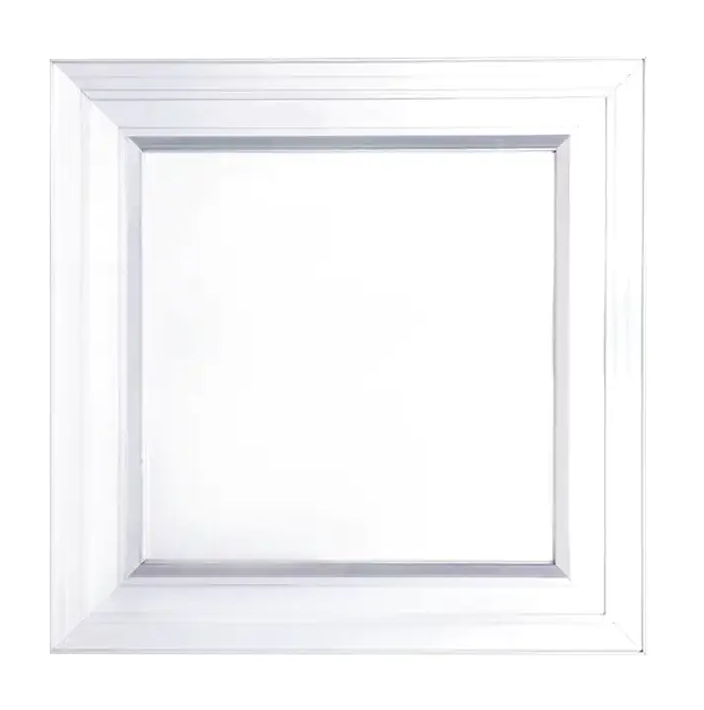
The frame determines how quickly a panel disappears into the surface. A beaded or flanged frame covers the cut edge in most ceiling applications and is tolerant of slightly irregular cuts. A recessed frame gives a near-flush finish in plasterboard but demands more careful framing and finishing. It also reduces the visible metal, which is important in hospitals and hotels where the finish has to look continuous. A surface-mounted frame is the fast retrofit option, although it projects further from the wall and is less suitable where aesthetics matter.
Latch selection controls who can access the space easily. Push latches are ideal for routine maintenance where no key is wanted. They also work well on ceiling panels that are opened from below with a hook or pad. Key locks protect public areas such as hotels, hospitals, and shopping centers. Budget locks are acceptable for infrequent duct inspection but do not offer real security. For circular panels, some latch designs are restricted by the curve of the door, so confirm the product's latch options before finalizing your specification.
Powder-coated steel is the standard for interior panels and comes in a wide range of colors. Galvanized or zinc-plated steel is more appropriate where moisture is present. In smoke control or fire-rated applications, the finish must match the system's tested configuration, since an unapproved coating can affect the panel's performance under heat.
A fire-rated circular steel panel is a legitimate specification, but it must be tested as a circular panel. You should not take a fire rating for a rectangular panel and assume the same rating applies to a round product. Ask for the fire test report, note the wall or ceiling assembly it was tested in, and confirm the diameter tested. If the test report lists only 300 mm and you need 450 mm, the certificate may not extend to your size.
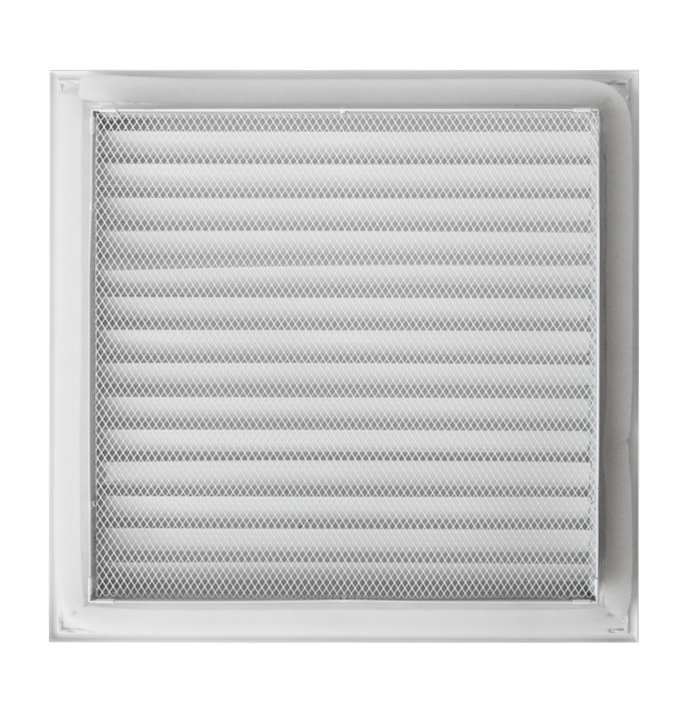
In healthcare and hotel projects, fire-rated access panels are often required in corridor walls and shaft ceilings. A fire-rated steel panel with a fire-rated steel access panel is generally constructed with fire-resistant board, a heavier gauge frame, and a latch that stays closed under pressure. If your project requires a specific fire performance, specify the test standard and do not rely on a general product description. Fire codes often require a clear sign indicating the panel's rating, so plan for an adhesive label or a small plaque.
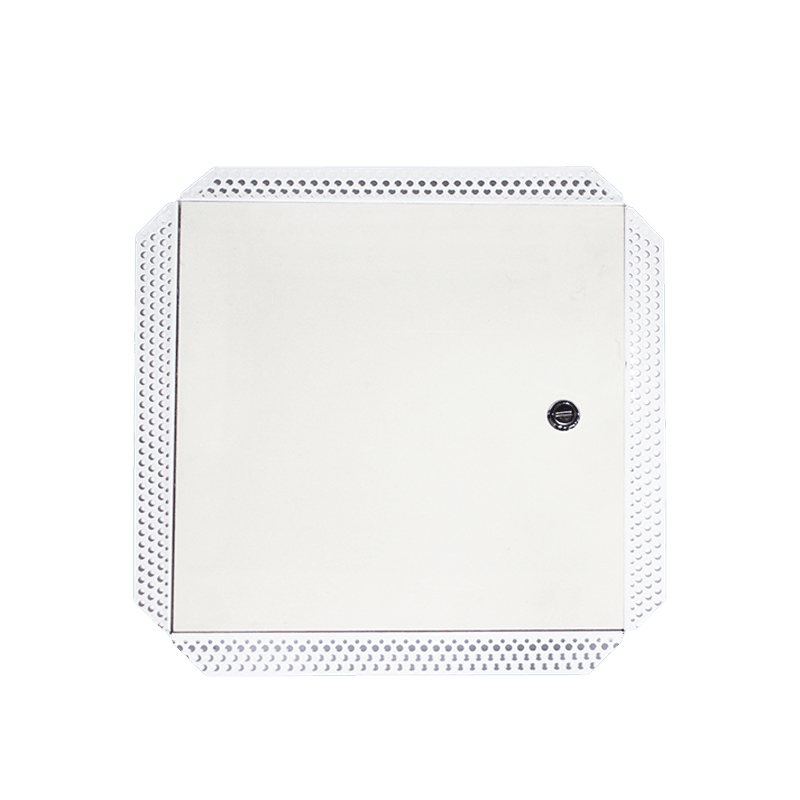
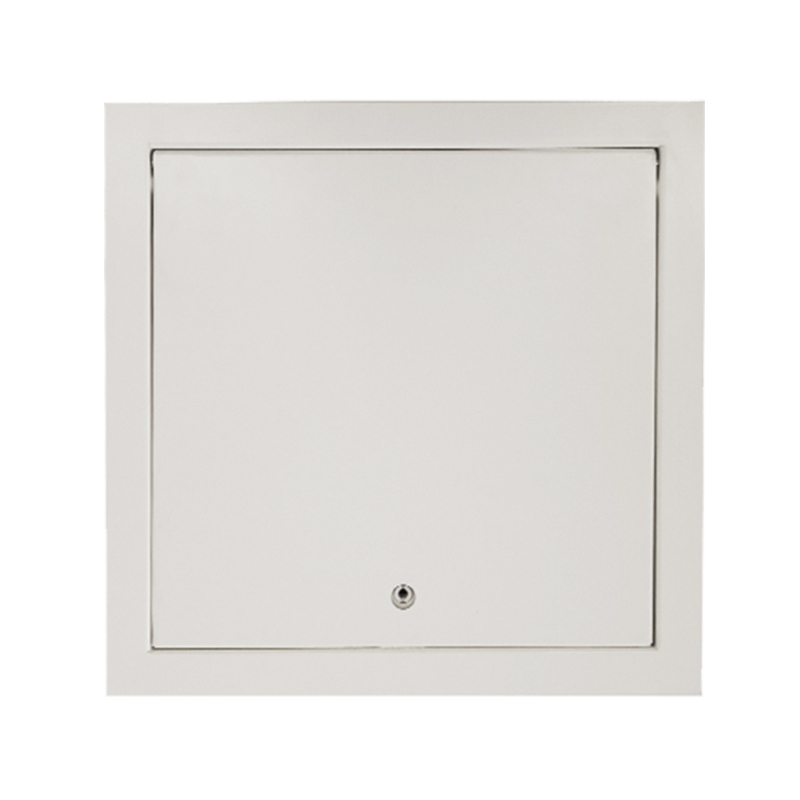 Fire Rated Access Panel for Wall and Ceiling ApplicationsDesigned with a 5mm galvanized frame and spring latch, this panel meets fire safety needs in corridors and shafts, requiring proper installation and clear labeling.View Product →
Proper installation is what separates a functional access panel from a recurring problem. The sequence is simple:
Each step matters. A fastening that is too tight can distort a thin steel frame; one that is too loose leaves play in the door. In suspended ceilings, install a rigid support behind the panel. The ceiling tile alone will not carry the weight of a steel panel, and a panel that is only screwed to a tile will sag and misalign within months. This step is commonly overlooked, even though it is the one that most often causes a warranty call.
If the panel is exposed to water or condensation, apply an approved sealant around the frame edge. This prevents the moist air from entering the void and protects the steel from corrosion. Panels in sanitary areas also benefit from a closed-cell gasket on the door, which reduces air leakage and helps keep odors contained.
When you source circular steel access panels for a project or a distribution inventory, verify the following details in writing:
Getting these into a written specification makes it possible to compare quotes on an equal basis. For wholesale buyers, request physical samples before placing a container order. Inspect the weld seam on the frame, close and open the door a few times, and compare the stated rough opening dimensions with the actual panel. A factory that publishes a clear quality-control standard is easier to hold accountable than one that only sends a catalog.
When a project requires a custom diameter, check the manufacturer's tooling range before committing. A factory with an established circular panel line can usually handle a specific diameter with a relatively short lead time. If the diameter is unusual, ask about minimum order quantity, because the tooling cost may have to be spread across the order.
The best circular steel access panel is not the one with the biggest diameter or the most elaborate latch. It is the one that matches the opening you have, the material you are cutting into, and the people who will use it. Verify the tested fire rating, confirm the exact cutting dimensions, and order a serious door that will hold its shape after the building is handed over.

Contact Us
SHUNSHI provides a range of technical support services to ensure that customers are able to properly select, install and maintain these products.
Products
Access Panels GuideContact
Tel: 86-15988108762
86-572-8298792
Fax: 86-572-8298792
E-mail: [email protected]
No.281 Mingzhu Main Road, Leidian Town, Deqing, Huzhou, Zhejiang, China, 313219

 English
 Español
 عربى
عربى