English
Selecting the right Ceiling Access Panels is a critical decision for architects, contractors, and facility managers. These components provide essential entry points to mechanical, electrical, and plumbing systems hidden above ceilings. A poorly chosen panel can lead to code violations, compromised fire safety, or structural failure. This guide delivers a technical breakdown, focusing on the specific criteria that matter for B2B procurement and commercial projects.
The material composition of an access panel directly determines its load-bearing capacity, corrosion resistance, and longevity in various environments. For commercial applications, steel remains the standard due to its strength-to-weight ratio. However, the specific gauge and coating are what separate a temporary solution from a permanent fixture.
When evaluating steel ceiling access panels for drywall ceilings, consider the galvanization process. G90 galvanization offers a thicker zinc coating compared to G60, providing superior protection in high-humidity areas like indoor pools or commercial kitchens. For areas requiring frequent access, a heavier gauge steel (16-gauge vs. 22-gauge) prevents warping of the door frame after repeated openings.
Different project phases require distinct material properties. While steel is common for its fire rating and rigidity, aluminum is preferred in coastal environments where salt air accelerates corrosion. For cleanroom environments or food processing facilities, non-porous surfaces are mandatory to prevent bacterial growth. The table below outlines the key technical trade-offs.
| Material Type | Key Technical Advantage | Limitation |
|---|---|---|
| Galvanized Steel (G90) | High impact resistance; supports up to 200 lbs static load | Heavier; requires robust framing for installation |
| Aluminum 6061-T6 | Corrosion-resistant; 1/3 the weight of steel | Lower tensile strength; not suitable for high-traffic impact zones |
| PVC/ABS Polymer | Chemically inert; seamless for washdown environments | Limited fire rating; prone to thermal expansion |
Compliance with the International Building Code (IBC) is non-negotiable for fire-rated ceiling access panels. These panels must restore the fire-resistance rating of the ceiling assembly after an opening is cut. The critical metric here is the "F-Rating," which measures the time a panel can withstand fire exposure without flaming through, and the "T-Rating," which measures temperature rise on the unexposed side.
For commercial ceilings, a 2-hour fire rating is typically required for egress corridors and fire barriers. It is essential to verify that the panel’s testing lab (such as UL or Intertek) lists the specific ceiling assembly. Simply having a "fire-rated" label is insufficient; the panel must be listed for the specific ceiling construction—whether it is gypsum, concrete, or plaster.
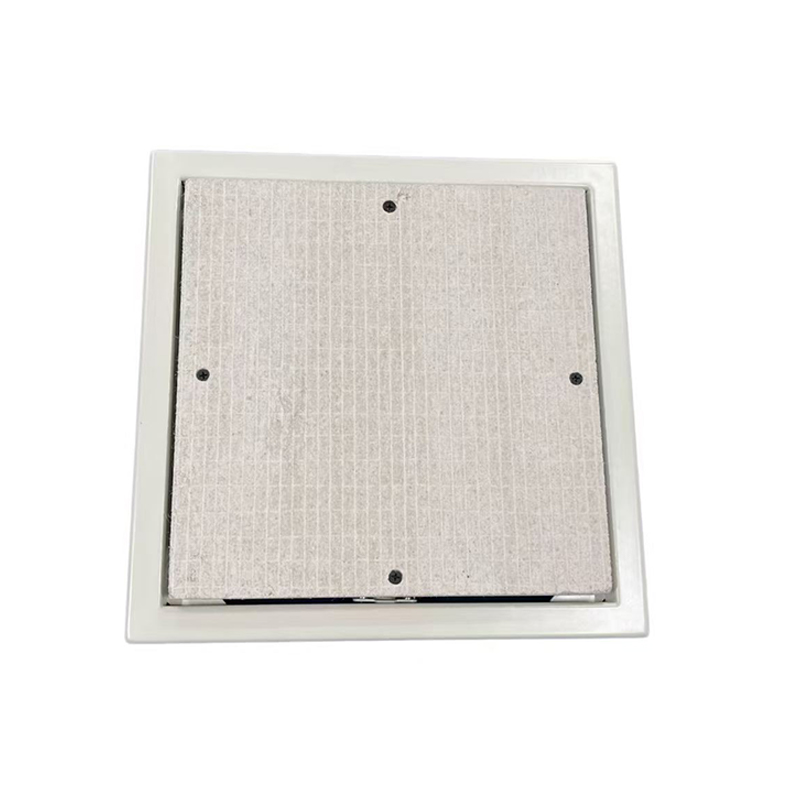
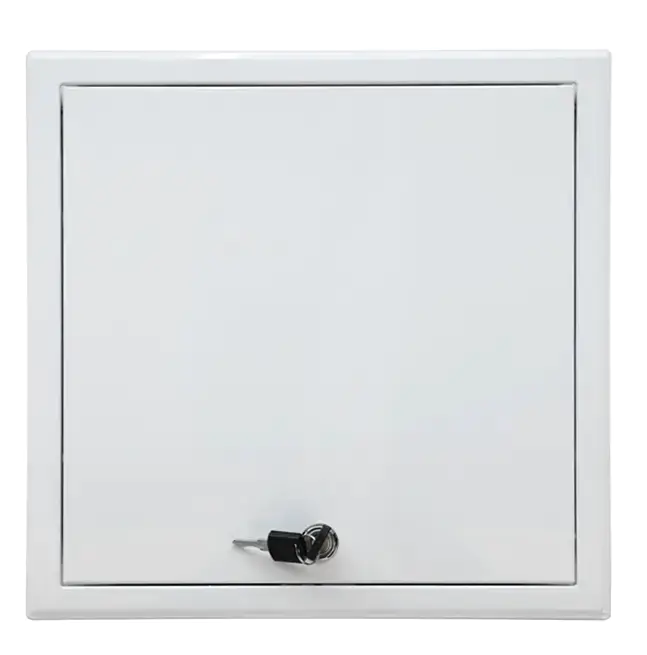
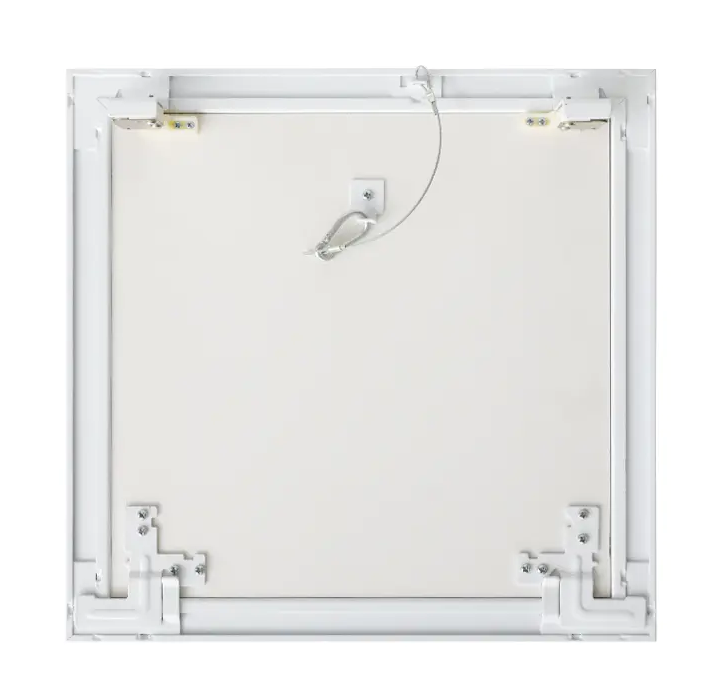
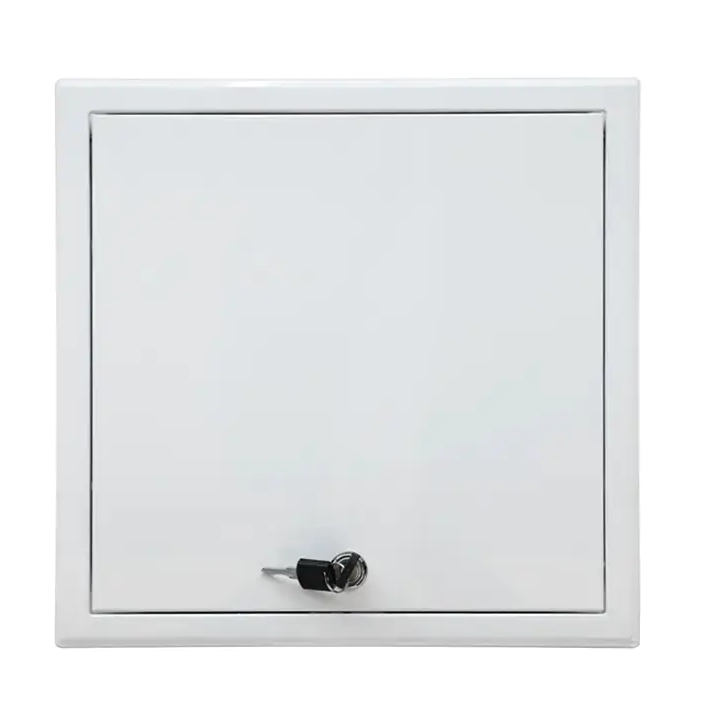
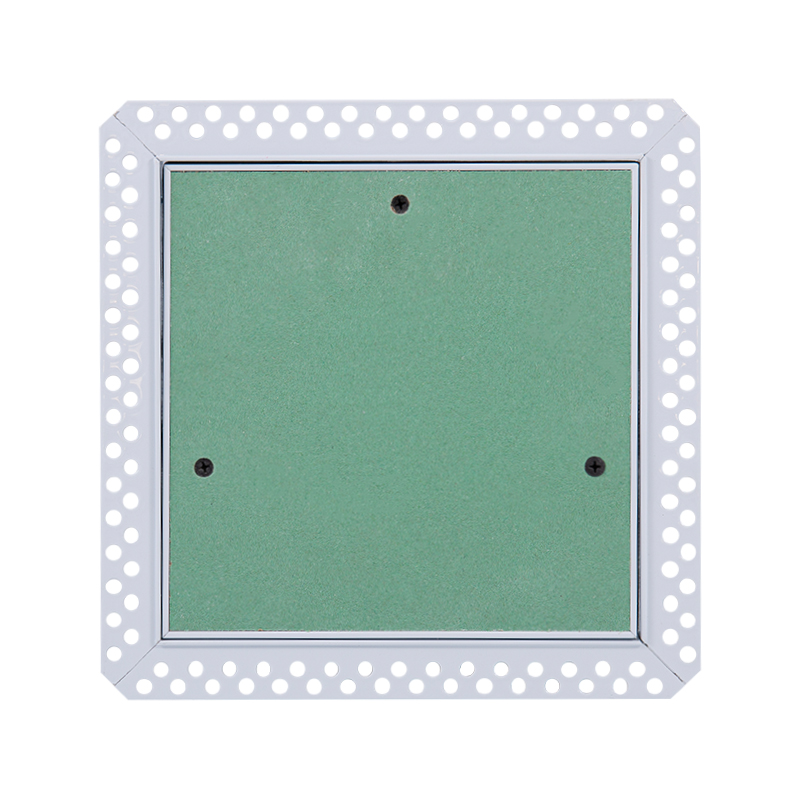
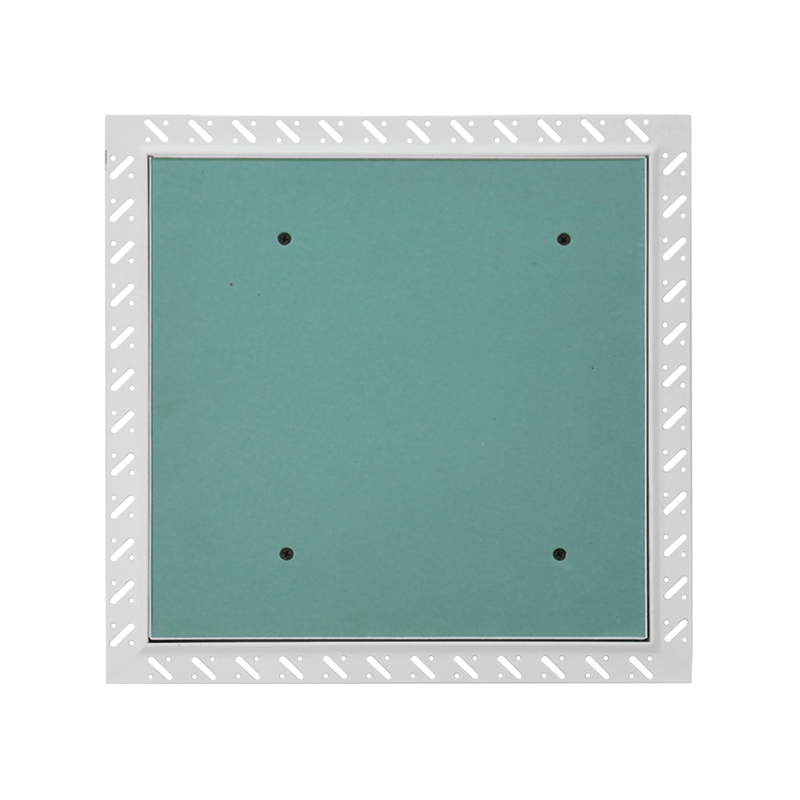
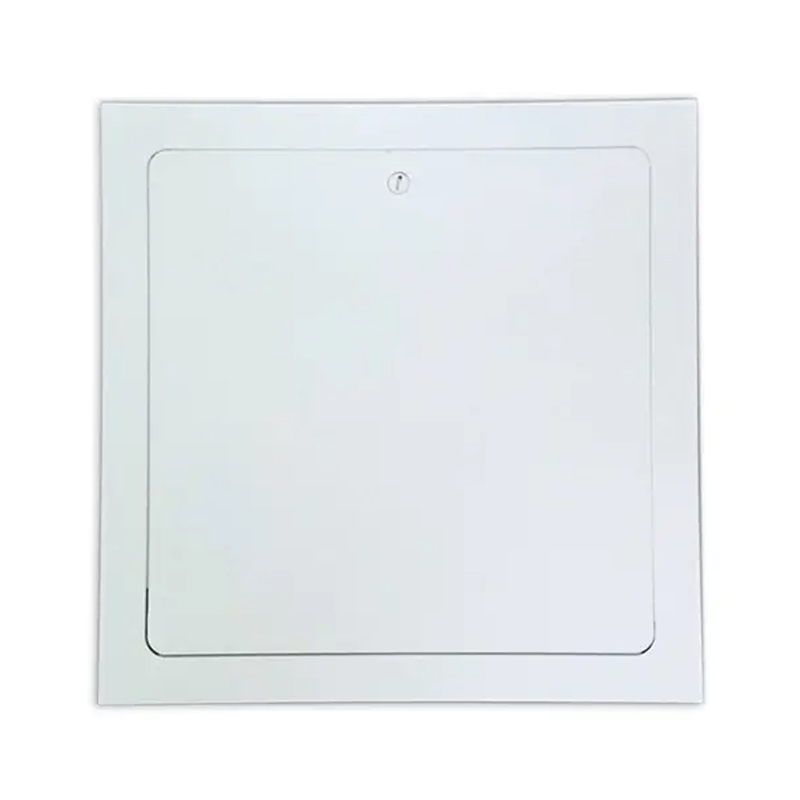
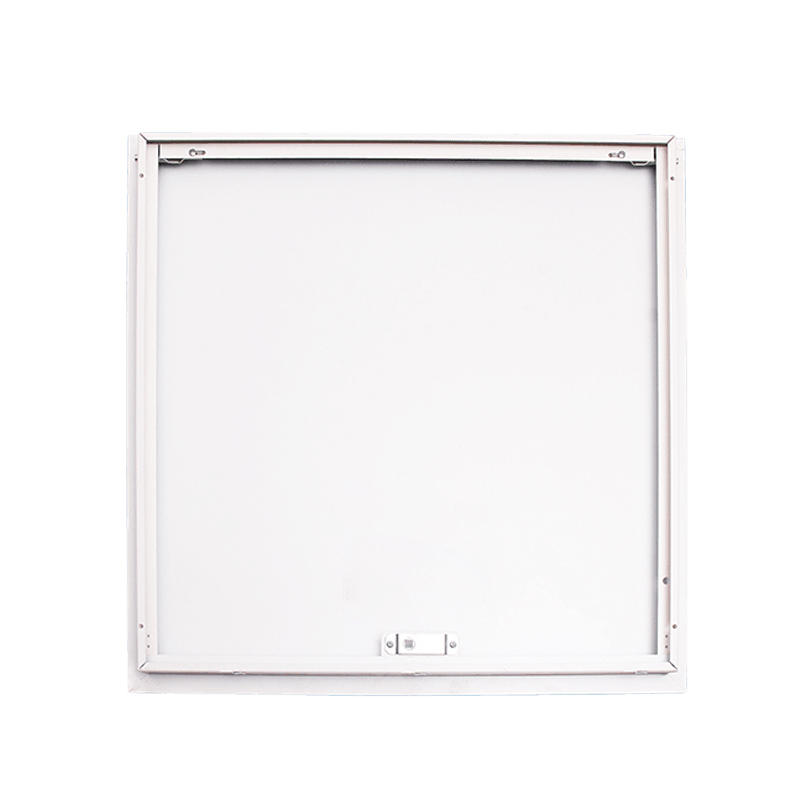
The installation system affects both labor costs and long-term performance. Flange design is a primary differentiator. Flush ceiling access panels are designed to sit level with the ceiling finish, allowing for a concealed appearance that is preferred in architectural spaces. These typically use a hidden hinge and require precise cutting of the gypsum board.
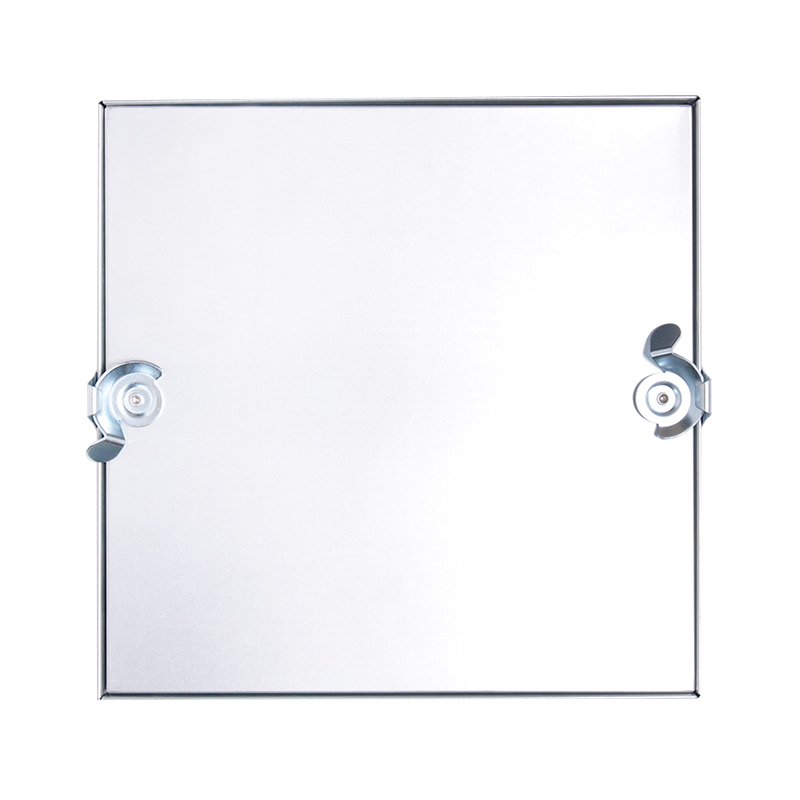
Conversely, surface-mounted panels are used in mechanical rooms or areas where aesthetics are secondary, offering faster installation but a visible trim. For suspended ceiling grids, specialized panels that integrate directly with T-bar grid systems eliminate the need for additional framing, reducing material waste and installation time by approximately 30% compared to traditional hard-lid installations.
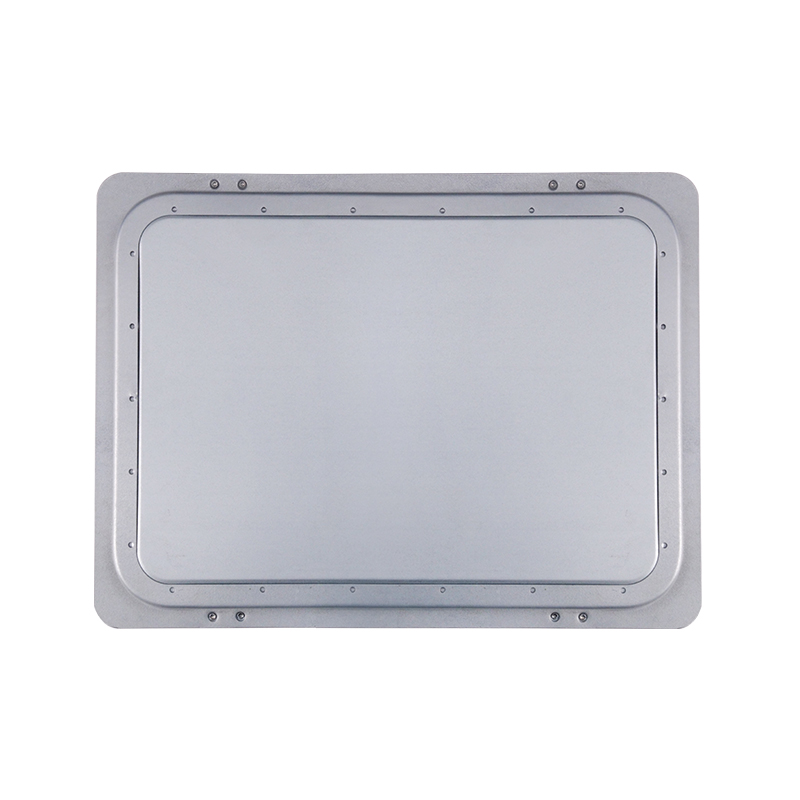
Environmental conditions dictate the need for specialized features. In acoustically sensitive environments like recording studios or open-plan offices, acoustic ceiling access panels with a Sound Transmission Class (STC) rating matching the surrounding ceiling are required. A typical STC 50 panel uses gasketing and mass-loaded vinyl to prevent sound leakage.
For facilities requiring security, such as data centers or government buildings, security panels with anti-tamper hinges and pick-resistant locks are necessary. In these cases, the panel frame should be reinforced to resist forced entry, often featuring a continuous hinge welded to the frame.
For bulk procurement, the initial unit price is often misleading. A large ceiling access panel (e.g., 48x48 inches) made from thinner 22-gauge steel may cost less upfront but will require replacement sooner if it sags or if the door warps. B2B buyers should calculate total cost of ownership based on the building’s intended lifespan.
High-quality panels feature powder-coated finishes that withstand 1,000+ hours of salt spray testing, ensuring they remain functional for the life of the building. Additionally, standardized sizing (such as 24x24, 24x48 inches) reduces lead times for replacement parts, a critical factor for facility managers managing large portfolios of properties.

Contact Us
SHUNSHI provides a range of technical support services to ensure that customers are able to properly select, install and maintain these products.
Products
Access Panels GuideContact
Tel: 86-15988108762
86-572-8298792
Fax: 86-572-8298792
E-mail: [email protected]
No.281 Mingzhu Main Road, Leidian Town, Deqing, Huzhou, Zhejiang, China, 313219

 English
 Español
 عربى
عربى