English
In the intricate network of modern building systems, HVAC ductwork is the unseen circulatory system. Maintaining its integrity and accessibility is paramount for efficiency, safety, and indoor air quality. At the heart of this maintenance are steel duct access doors, the critical portals that allow technicians to inspect, clean, and service duct interiors. Selecting the appropriate door is not a trivial decision; it impacts long-term operational costs, compliance with stringent building codes, and overall system reliability. A door that fails can lead to energy loss, compromised air quality, or even safety hazards. With over 15 years of expertise in precision manufacturing and a global presence in 91 countries, our commitment is to illuminate the key factors—from material science to installation nuances—that define a superior access door. This guide delves deep into the specifications, standards, and selection criteria, empowering architects, engineers, and contractors to make informed decisions that stand the test of time and rigorous use in demanding environments from commercial high-rises to specialized industrial facilities.
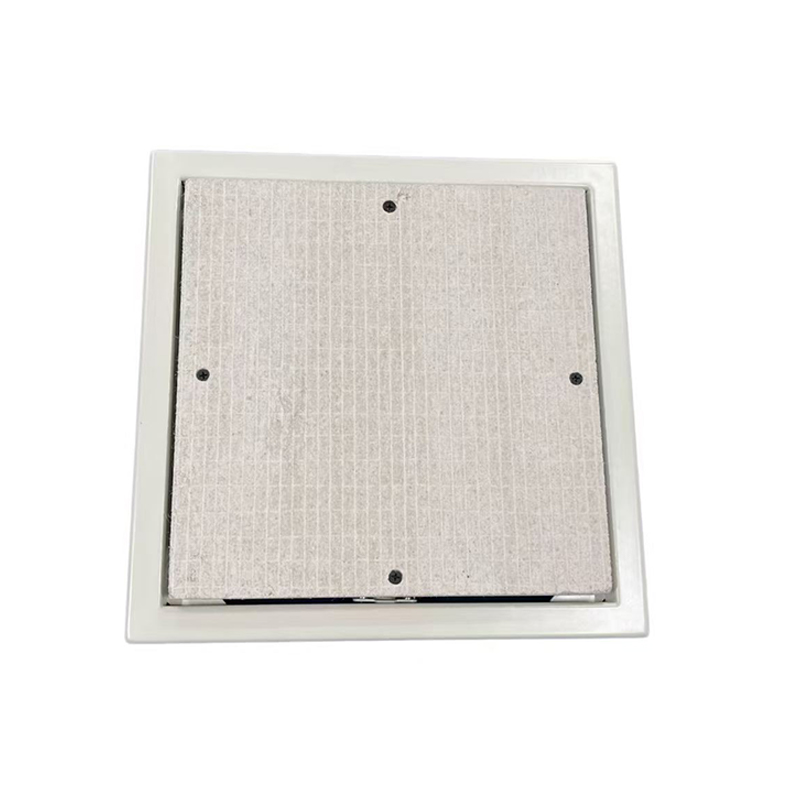
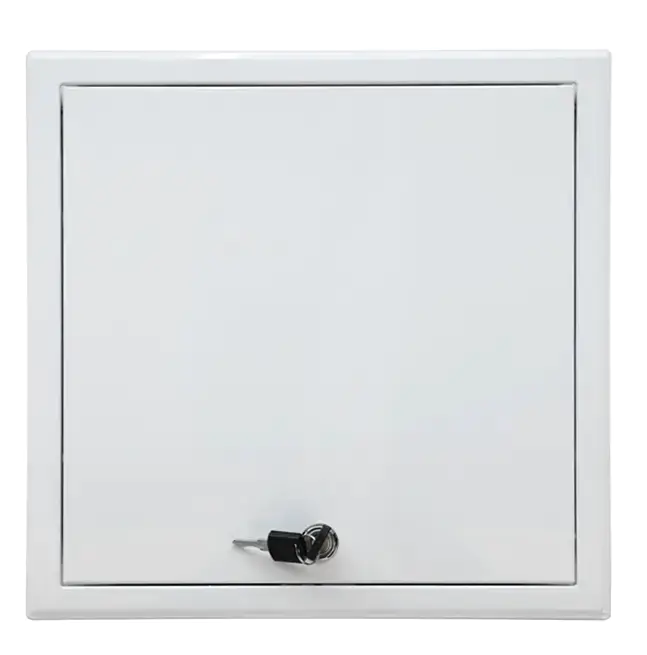
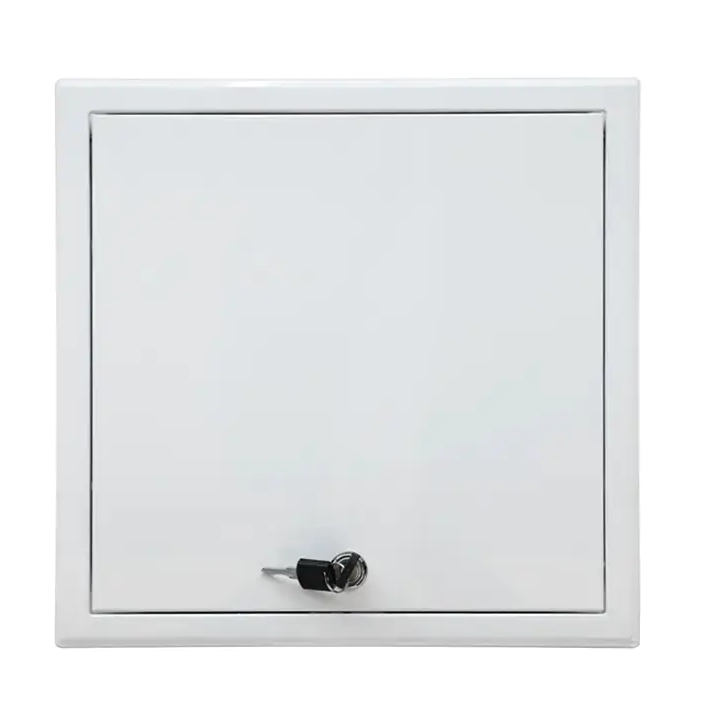
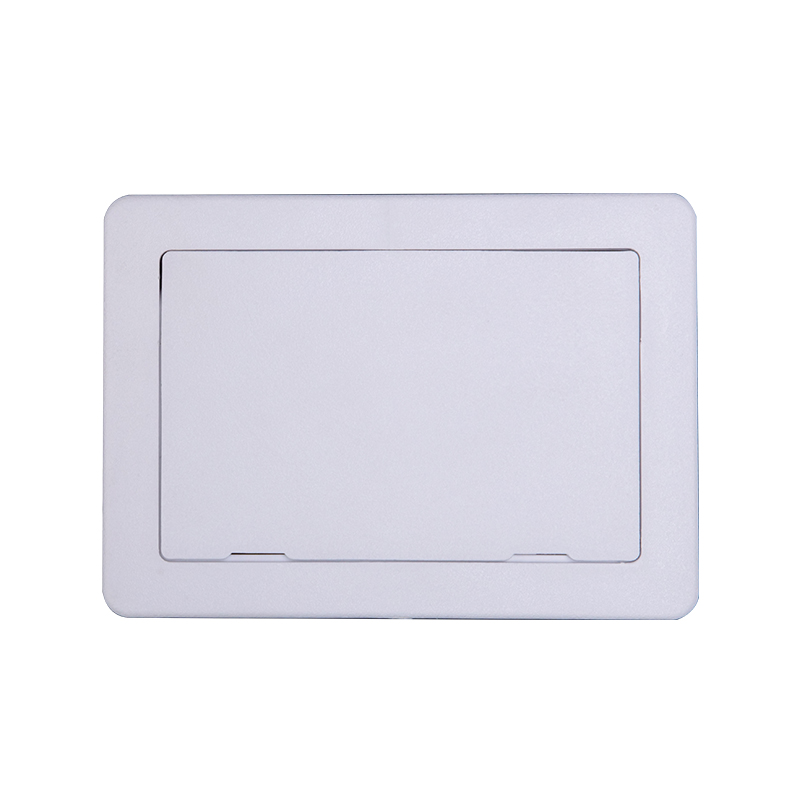
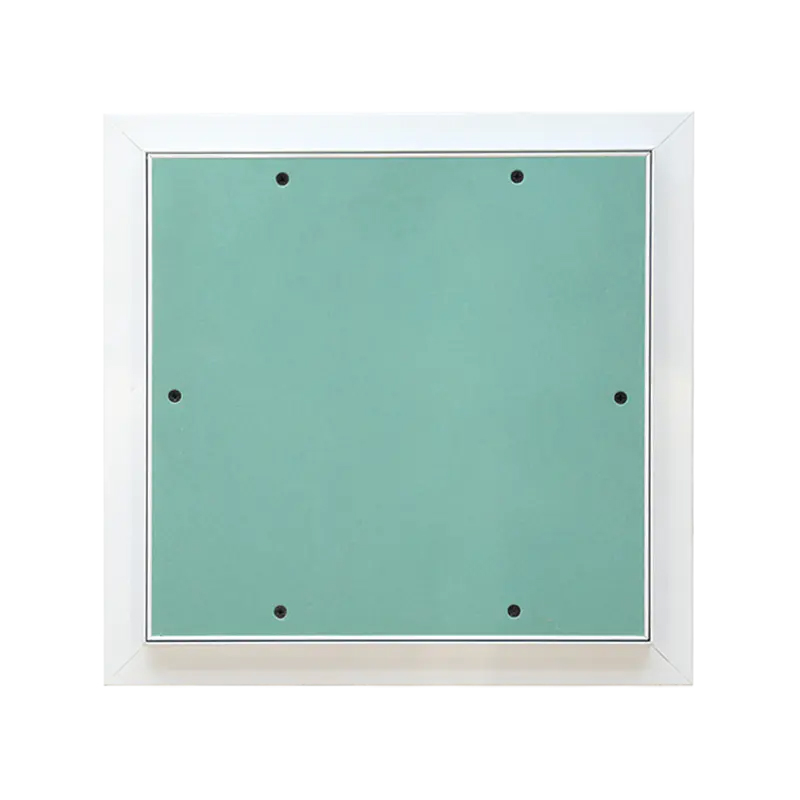
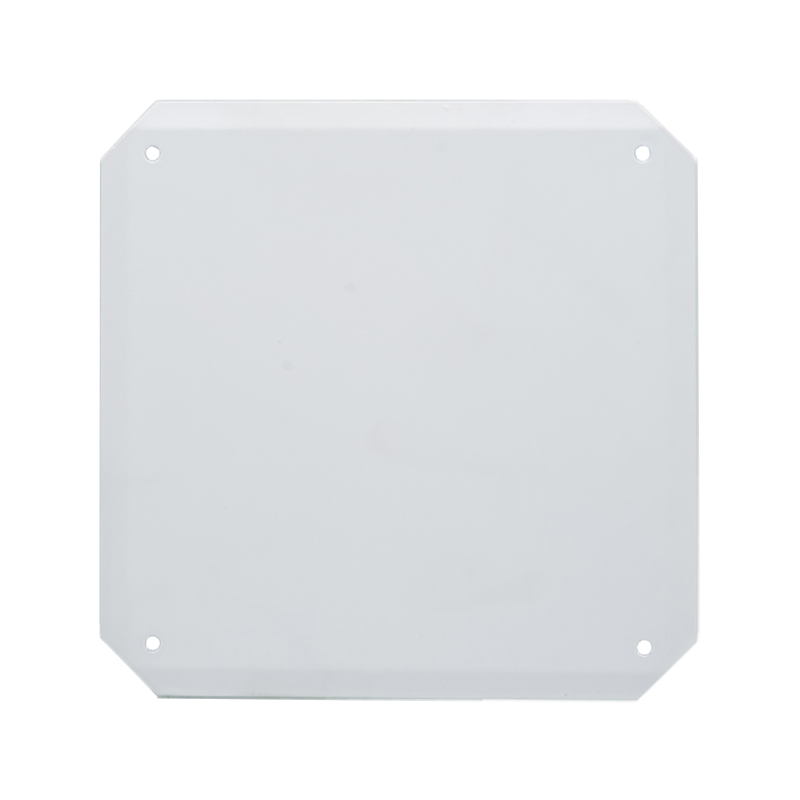
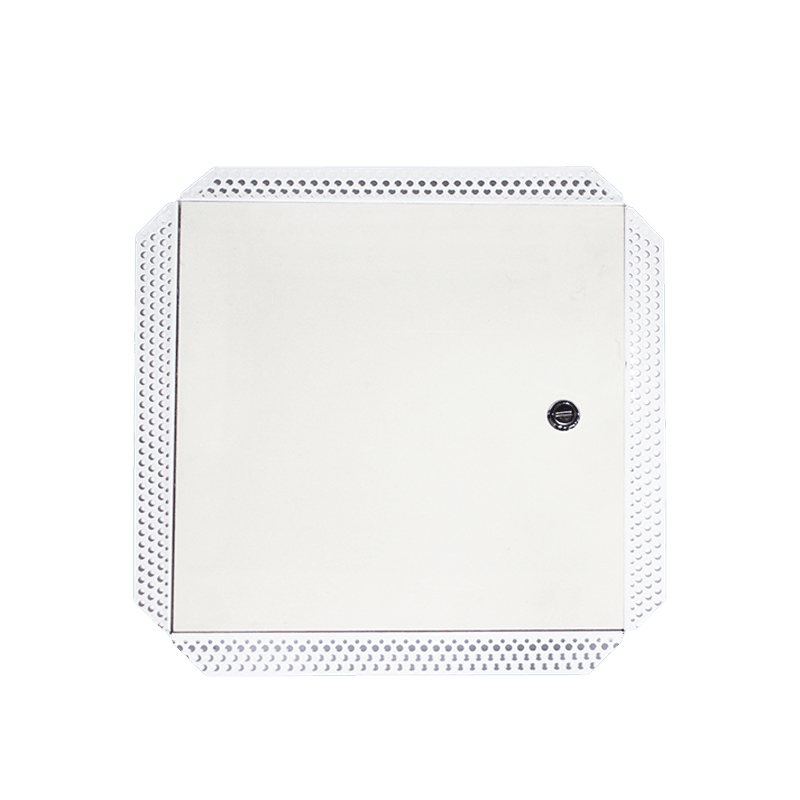
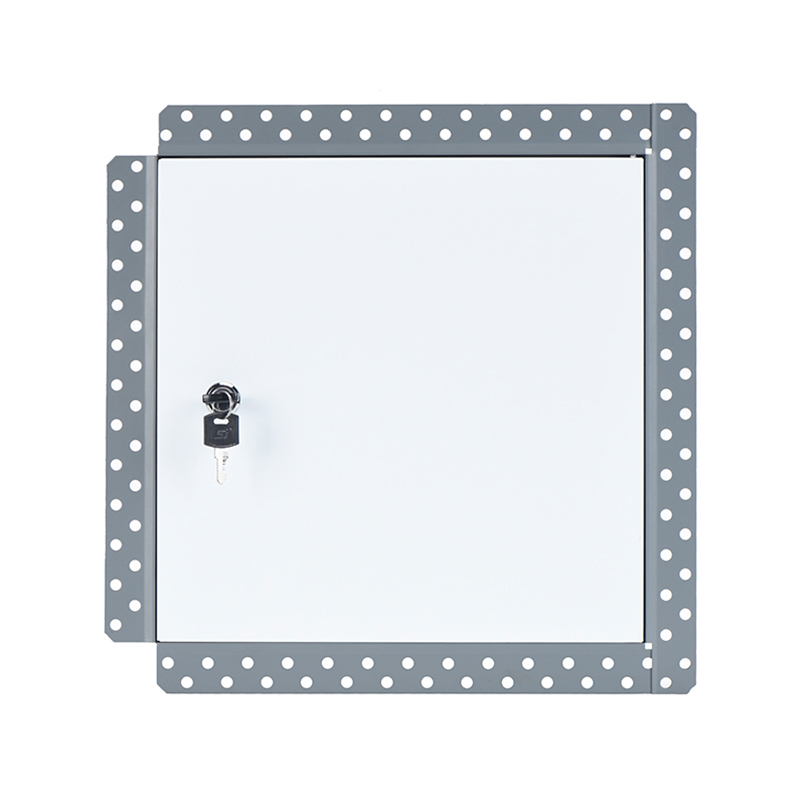
A steel duct access door is a purpose-built, hinged panel installed within the wall of a ductwork system. Its primary function is to provide a secure yet readily accessible opening for personnel to perform essential tasks such as internal inspection, sensor placement, cleaning of accumulated debris, and maintenance of dampers or other internal components. Unlike temporary openings, these doors are engineered to maintain the structural and environmental integrity of the duct when closed, ensuring minimal air leakage, preserving pressure balances, and often contributing to fire compartmentalization. The choice of steel as the primary material is foundational, offering unmatched strength, durability, and fire resistance compared to alternatives like aluminum or plastics. This robustness ensures the door can withstand the pressure differentials, potential impacts during service, and corrosive elements sometimes present in the airflow over decades of operation.
Investing in a premium steel duct access door transcends a simple component purchase; it is an investment in the building's long-term health, safety, and efficiency. A substandard door can become the weakest link in the duct system, leading to persistent air leaks that force HVAC equipment to work harder, significantly increasing energy consumption and utility costs. More critically, in the event of a fire, a non-compliant door can fail to contain smoke and flames, violating life-safety codes and endangering occupants. Quality doors are manufactured under strict quality management systems, such as ISO9001, ensuring dimensional accuracy, consistent material properties, and reliable performance. This translates to fewer callbacks, reduced maintenance headaches, and assurance that the installation complies with international building standards, a necessity for projects aiming for certifications like LEED or BREEAM.
The selection process for a steel duct access door requires a meticulous evaluation of several interconnected factors. A door perfect for a hospital's sterile corridor may be ill-suited for a factory's humid environment. Understanding these variables—size, fire rating, material finish, construction, and certifications—ensures the selected product aligns perfectly with the project's specific environmental, regulatory, and performance demands. This decision matrix should be consulted early in the design phase to coordinate with duct sizing and architectural details. The following sections provide a detailed breakdown of each critical factor, offering practical guidance to navigate product specifications and make a choice that ensures seamless integration, enduring performance, and unwavering safety in any application, from a simple attic duct to the complex ductwork of an international airport.
Accurate sizing is the first and most crucial step. An improperly sized door creates installation challenges, compromises the seal, and negates its functional purpose. Steel duct access door sizes are typically defined by the clear opening required inside the duct. Standard sizes often range from small inspection ports (e.g., 8" x 8") to larger service openings (e.g., 24" x 24"). It is vital to measure the duct's exterior dimensions and account for the insulation thickness to determine the rough opening. The door's frame, or jamb, will overlap this opening. For non-standard or large openings, custom manufacturing is essential. Reputable manufacturers with strong ODM capabilities can produce doors to exact specifications, ensuring a perfect fit for unique architectural or mechanical designs without sacrificing structural integrity or seal quality.
In many commercial, residential, and institutional buildings, duct penetrations through fire-rated walls, floors, or shafts must maintain the fire-resistance rating of the assembly. This is where a fire-rated steel duct access door becomes non-negotiable. These doors are rigorously tested in certified laboratories to withstand exposure to high temperatures for a specified duration, such as 60, 90, or 120 minutes, without permitting the passage of flames or hot gases. They feature integral intumescent seals that expand dramatically when heated, sealing off gaps. Specifying the correct fire rating is a legal requirement tied to the building's occupancy type and local codes. Using a non-rated door in a rated assembly constitutes a critical code violation and safety hazard.
| Fire Rating (e.g., UL Listed) | Typical Application Scenarios | Core Construction Features |
| 60-Minute | Corridor partitions, tenant separations in offices. | Heavier-gauge steel, intumescent seal around perimeter. |
| 90-Minute | Vertical shafts, between floors in multi-story buildings. | Reinforced frame, multi-layer insulated core, high-temp hinges. |
| 120-Minute | High-risk areas like boiler rooms and exit enclosures. | Maximum steel thickness, advanced sealing systems, certified latching. |
The internal environment of ductwork can be harsh, with moisture, condensation, and sometimes chemical-laden air. A standard painted door may corrode over time. A galvanized steel duct access door provides a superior defense. The galvanization process involves coating the steel in a layer of zinc, which acts as a sacrificial anode, preventing rust from forming on the base metal even if the coating is scratched. Hot-dip galvanizing offers the most robust protection. This makes galvanized doors ideal for coastal areas, swimming pool facilities, food processing plants, laundry rooms, and any high-humidity environment. It ensures the door's longevity and maintains a clean, professional appearance without frequent maintenance or repainting.
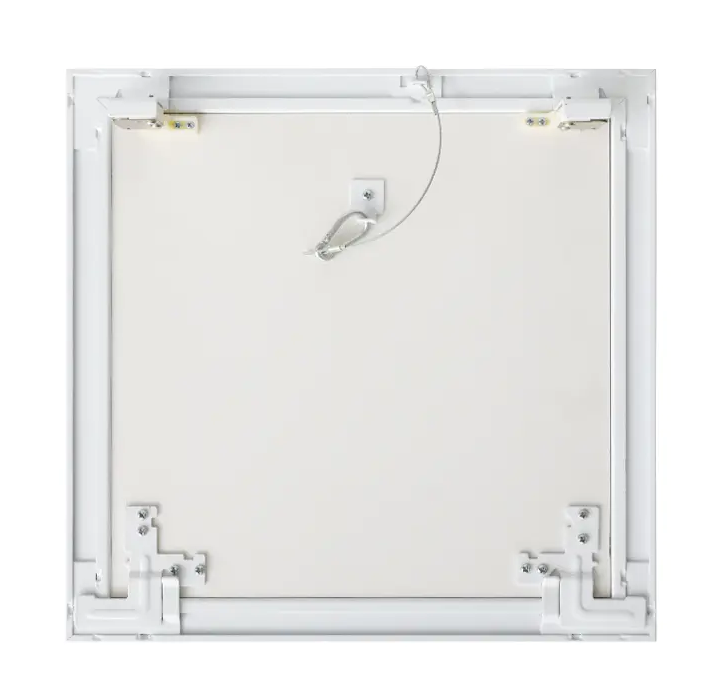
Beyond material, the door's construction details dictate its performance. Airtightness is achieved through high-compression gaskets—typically made of silicone or EPDM rubber—mounted in a continuous channel around the door frame. These gaskets must remain pliable across a wide temperature range. Structural integrity hinges on the design of the frame, hinge mechanism, and latch. A flimsy frame will warp, breaking the seal. Continuous piano hinges or heavy-duty butt hinges with stainless steel pins are preferred for smooth operation and load distribution. The latching mechanism should apply even pressure around the entire perimeter to compress the gasket uniformly without requiring excessive force.
| Component | High-Quality Feature | Performance Benefit |
| Gasket/Seal | Silicone or EPDM, continuous loop, mounted in a dedicated channel. | Superior long-term air seal, resistance to temperature extremes, and ozone. |
| Hinges | Stainless steel pins, ball-bearing or continuous hinge design. | Smooth, quiet operation over thousands of cycles; prevents sagging. |
| Frame Construction | Reinforced corners (welded or mechanically locked), stiffening ribs. | Resists torsion and bending during installation/service, maintains seal geometry. |
| Latch | Multi-point latching or cam-action handles with over-center lock. | Ensures even gasket compression around the entire perimeter for a perfect seal. |
Certifications are the unbiased validation of a product's claimed performance. Adherence to an ISO9001 Quality Management System ensures that every steel duct access door is produced with consistent processes, from raw material inspection to final testing. For fire-rated products, look for certifications from recognized bodies like UL (USA), Intertek (Warnock Hersey), or similar EU-notified bodies, which include detailed listings of approved sizes and installations. Compliance with ASTM or SMACNA standards for duct construction is also a key indicator of quality. These documents provide specifiers and inspectors with the confidence that the product meets the rigorous demands of global projects, from the Middle East to North America.
Proper planning prevents poor performance. Before beginning the installation of a steel duct access door, gather all necessary tools: metal snips or a nibbler, a drill with metal bits, screwdrivers, a level, and sealant (if specified). Review the manufacturer's instructions thoroughly. On-site, verify the door's dimensions against the prepared rough opening in the duct. The opening must be clean, square, and free of burrs. Ensure the duct area around the opening is structurally sound. Personal protective equipment (gloves, safety glasses) is mandatory when working with sheet metal to prevent cuts.
A methodical approach ensures a leak-free, durable installation. Follow these steps for optimal results when you install a steel duct access door:
In large shopping malls, office towers, and hospitals, the ductwork is vast and complex. HVAC steel duct inspection doors are strategically placed at critical junctures: near VAV boxes, before and after major dampers, at duct transitions, and at fan coil units. They enable facility teams to visually assess internal conditions, clean sensors for airflow monitoring, replace air filters in pressurized plenums, and perform troubleshooting without dismantling entire duct sections. Their robust construction withstands the higher static pressures often found in these large systems.
The demands intensify in industrial settings. In chemical plants or laboratories, ducts may convey fumes requiring specialized containment; here, doors with chemical-resistant gaskets and stainless steel hardware are specified. In food and beverage production, where hygiene is critical, doors with smooth, cleanable finishes and no ledges to trap debris are essential. For hospitals, doors facilitating access to infection control areas must have seamless designs that support sterile environments, often with proprietary gasket systems to prevent microbial growth.
Yes, most steel duct access doors can be painted post-installation. However, proper surface preparation is critical for adhesion and longevity. For galvanized doors, it is essential to use a primer specifically formulated for galvanized metal (often containing a phosphoric acid base) to ensure the paint bonds correctly. For pre-finished doors, consult the manufacturer. Using low-VOC, latex, or epoxy-based paints suitable for the environment (e.g., humidity-resistant for bathrooms) is recommended. Painting should be done after installation but before the final sealant is applied to the frame perimeter to avoid getting paint on the gasket, which could compromise its elasticity.
This is a key distinction in installation style. A flanged door has a continuous lip or flange around its perimeter that mounts over the outside surface of the duct. It is secured with screws through the flange into the duct wall, making installation straightforward and providing a very stable, strong connection ideal for higher pressures. A lay-in door (or "flush" door) is designed to sit flush with the interior duct wall, typically held in place by a retainer frame from the outside. Lay-in doors are often used in lined ducts or where a perfectly smooth interior airflow surface is required to minimize turbulence. The choice depends on duct construction, insulation type, and aerodynamic performance needs.
While the doors themselves are designed for minimal maintenance, they should be included in the building's routine HVAC preventive maintenance schedule. A visual and operational inspection is recommended at least annually. This involves opening and closing the door to ensure the hinges operate smoothly and the latch engages securely. Check the condition of the gasket for any signs of drying, cracking, or compression set. Verify that all mounting screws are tight and that there is no air leakage around the frame (which can sometimes be detected with a thermal camera during system operation). For fire rated steel duct access doors, annual inspection of the intumescent seal for integrity is a best practice to ensure life-safety systems remain functional.
Absolutely. In applications where noise transmission through the duct is a concern—such as in recording studios, hotel rooms adjacent to mechanical shafts, or executive offices—acoustic-rated steel duct access doors are available. These feature specialized construction, such as:
When specifying, request the tested STC rating for the door assembly to ensure it meets the project's acoustic performance requirements.

Contact Us
SHUNSHI provides a range of technical support services to ensure that customers are able to properly select, install and maintain these products.
Products
Access Panels GuideContact
Tel: 86-15988108762
86-572-8298792
Fax: 86-572-8298792
E-mail: [email protected]
No.281 Mingzhu Main Road, Leidian Town, Deqing, Huzhou, Zhejiang, China, 313219

 English
 Español
 عربى
عربى