English

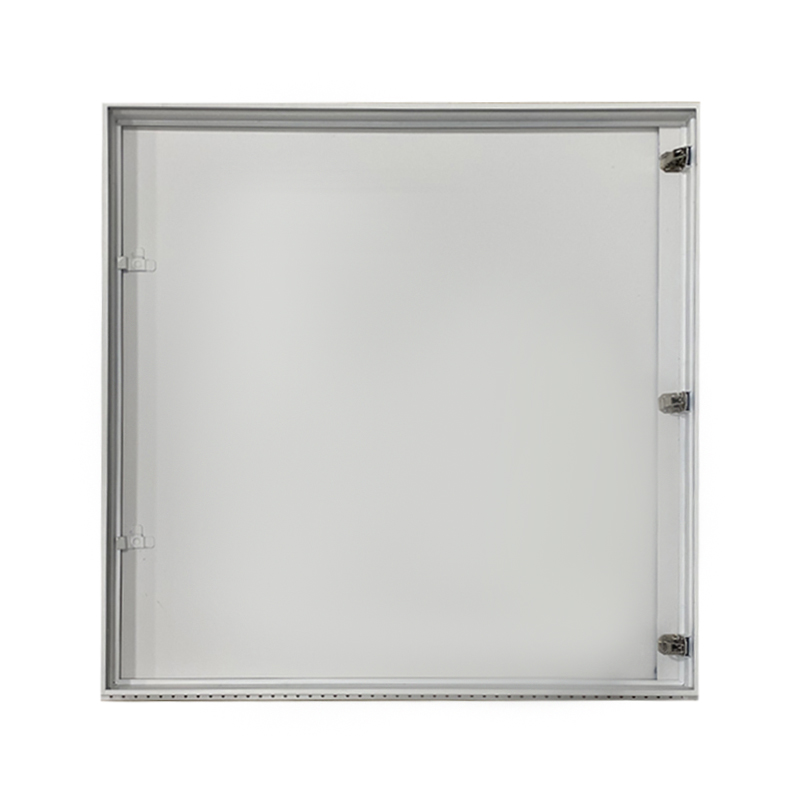
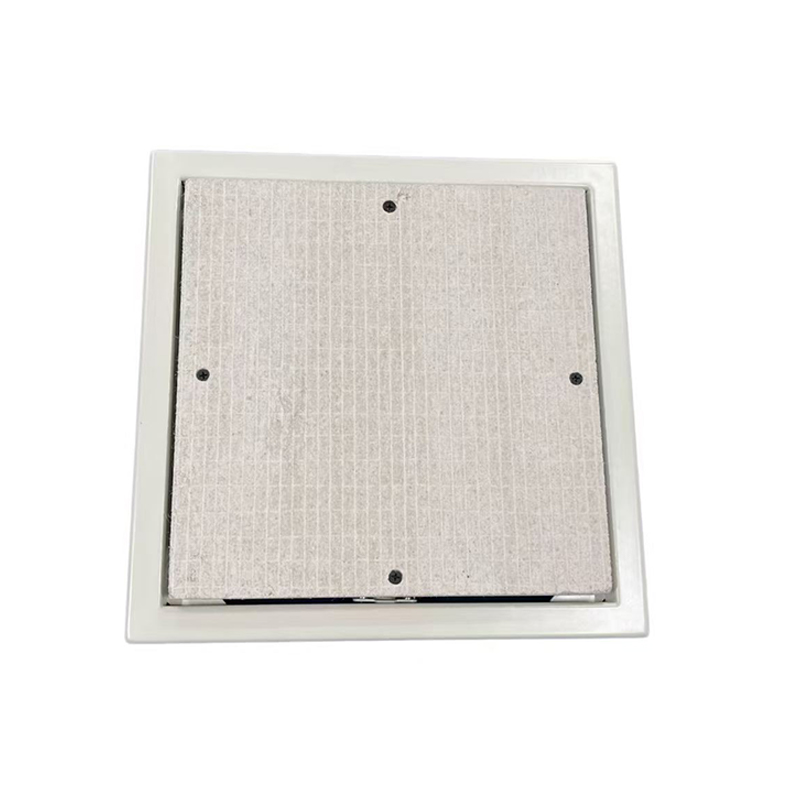
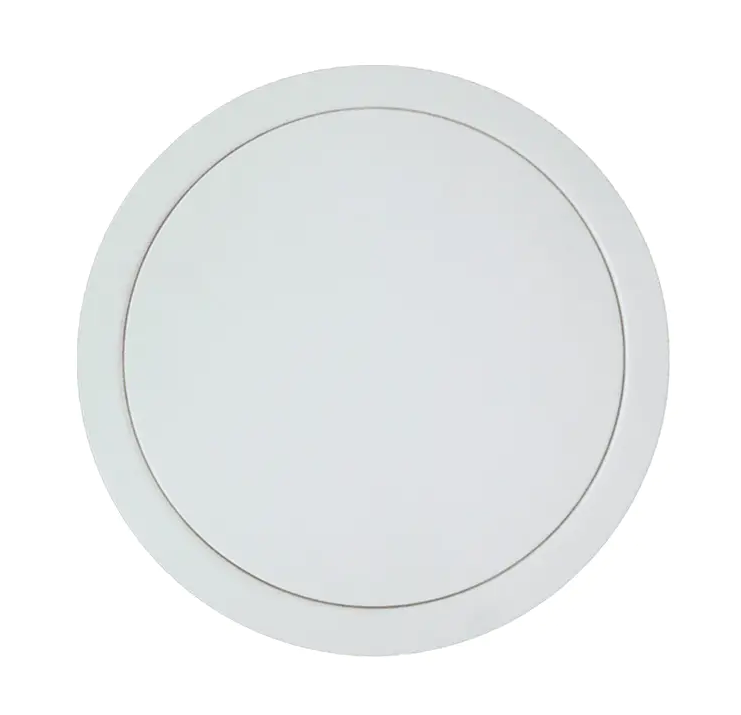
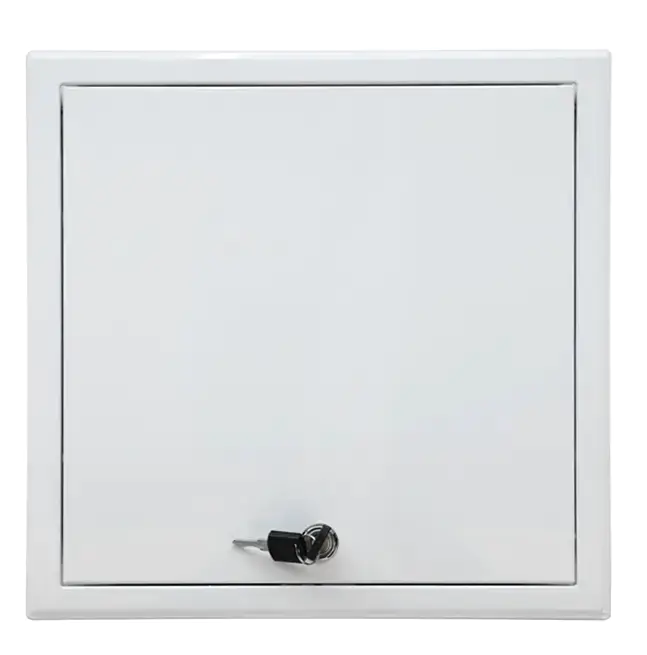
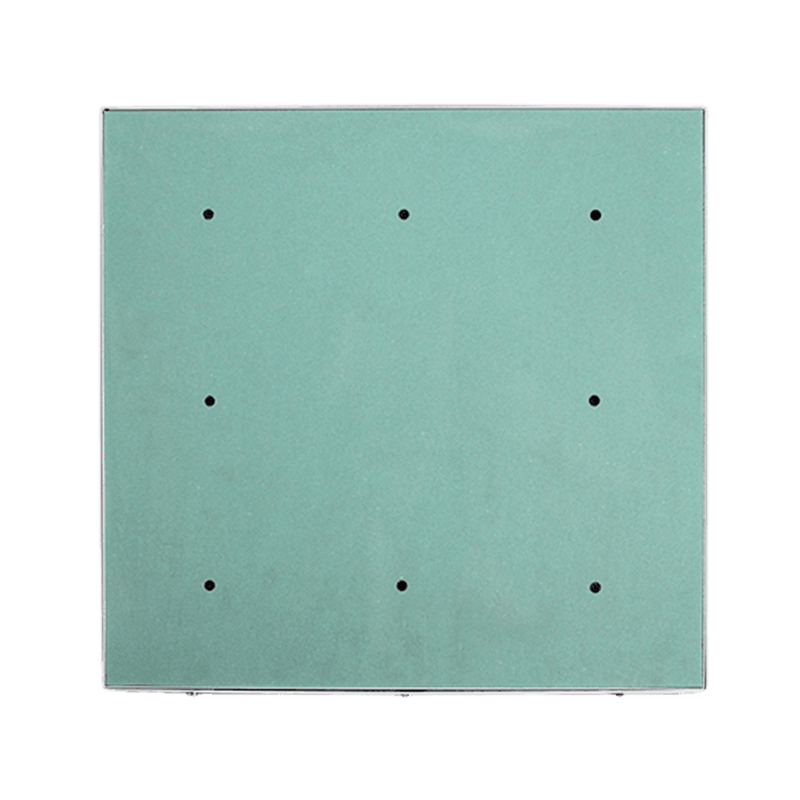
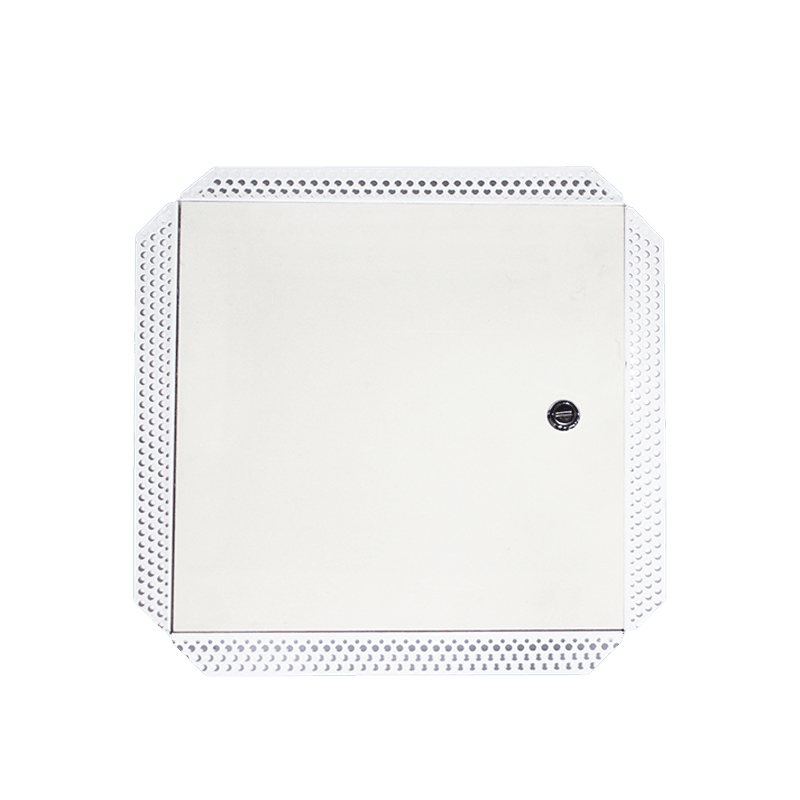
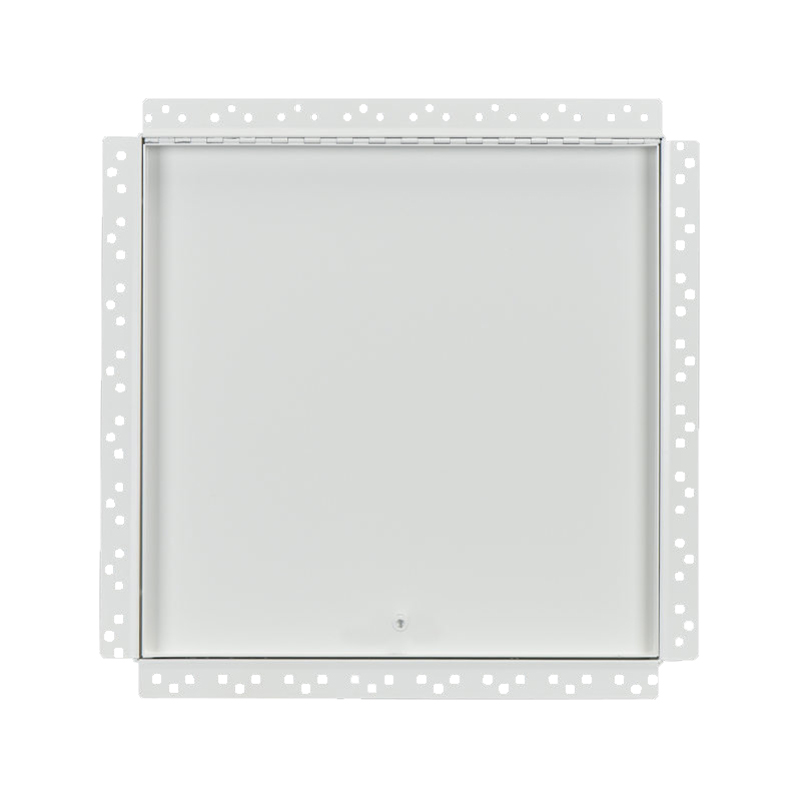
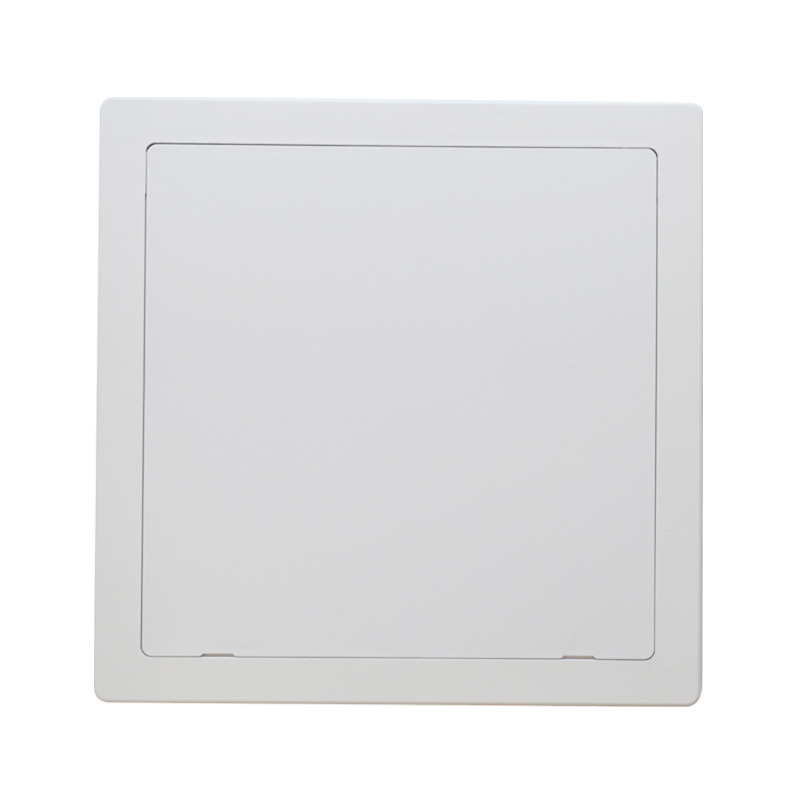
In the world of construction, architecture, and facility management, providing seamless access to concealed systems is a critical yet often overlooked detail. The humble access panel plays a pivotal role, and among the various materials available, aluminum access panel solutions stand out for their superior blend of strength, durability, and versatility. This comprehensive guide delves deep into everything you need to know about aluminum access panels, from core benefits and selection criteria to advanced applications and industry standards. Whether you are an architect specifying products for a high-rise building, a contractor on a hospital project, or a facility manager maintaining a luxury hotel, understanding these components is key to a successful and enduring installation.
Aluminum has become the material of choice for high-performance access panels across diverse sectors. Its inherent properties offer distinct advantages over traditional materials like steel, plastic, or wood. The benefits are multifaceted and directly impact the longevity, safety, and aesthetics of a building.
When selecting an access panel, material choice is paramount. The following comparison highlights why aluminum often emerges as the optimal solution. For instance, while steel is strong, it is prone to rust without coating; plastic is lightweight but lacks structural integrity for larger spans. [1]
| Material | Key Advantages | Key Limitations | Best Suited For |
| Aluminum | High strength, lightweight, corrosion-resistant, fireproof, excellent finish options. | Higher initial cost than some alternatives. | High-end commercial, healthcare, hospitality, humid environments. |
| Galvanized Steel | High strength, good impact resistance. | Heavier, can still corrode if coating is damaged, limited finish options. | Industrial settings, floor access panels with heavy traffic. |
| Plastic (PVC/ABS) | Low cost, lightweight, moisture resistant. | Low strength, can warp with heat, poor fire rating, less durable. | Residential, low-traffic areas, temporary access. |
The application of an access panel dictates its required features. A one-size-fits-all approach does not work in professional settings. Here, we explore specialized aluminum access panel types designed for specific challenges.
Fire rated aluminum access panels are engineered to restore the fire resistance rating of the wall, floor, or ceiling assembly in which they are installed. They are not just fire-resistant themselves; they are tested and certified systems according to standards like ASTM E119[3]. Specifying the correct fire rating (e.g., 60, 90, 120 minutes) is a non-negotiable aspect of building code compliance for penetrations in fire barriers[2].
In areas constantly exposed to water or high humidity, standard panels can fail, leading to mold, corrosion, and system damage. A waterproof aluminum access door is specifically designed with integrated gaskets and drainage channels to form a reliable seal.
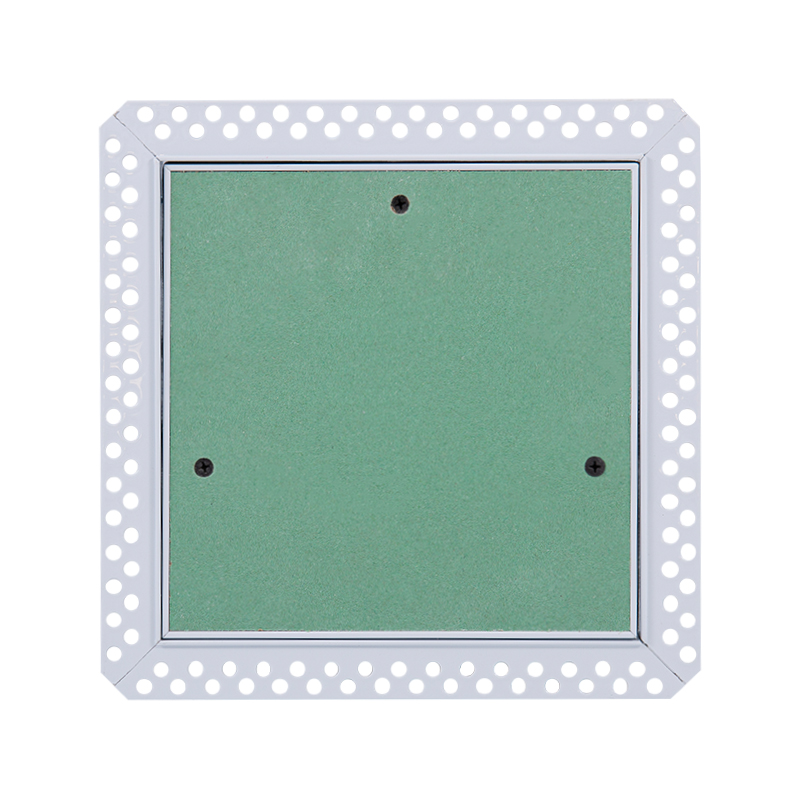
In luxury hotels, corporate offices, or high-end residences, visual appeal is paramount. Flush mount aluminum ceiling access panel solutions and decorative panels are designed to vanish into the finish. The goal is to provide necessary access without disrupting the design aesthetic.
For accessing major equipment like HVAC units, plumbing mains, or data center infrastructure, standard panels are insufficient. Large aluminum access panel for HVAC units and heavy-duty floor doors are built to handle size and stress.
Cleanrooms, hospitals, and labs demand panels that support sterility and cleanliness. Aluminum clean room access panel designs prioritize smooth, non-porous surfaces and airtight seals to prevent contamination and facilitate cleaning.
Choosing the right aluminum access panel requires careful consideration of several technical and project-specific factors. Rushing this selection can lead to cost overruns, code violations, and functional failure.
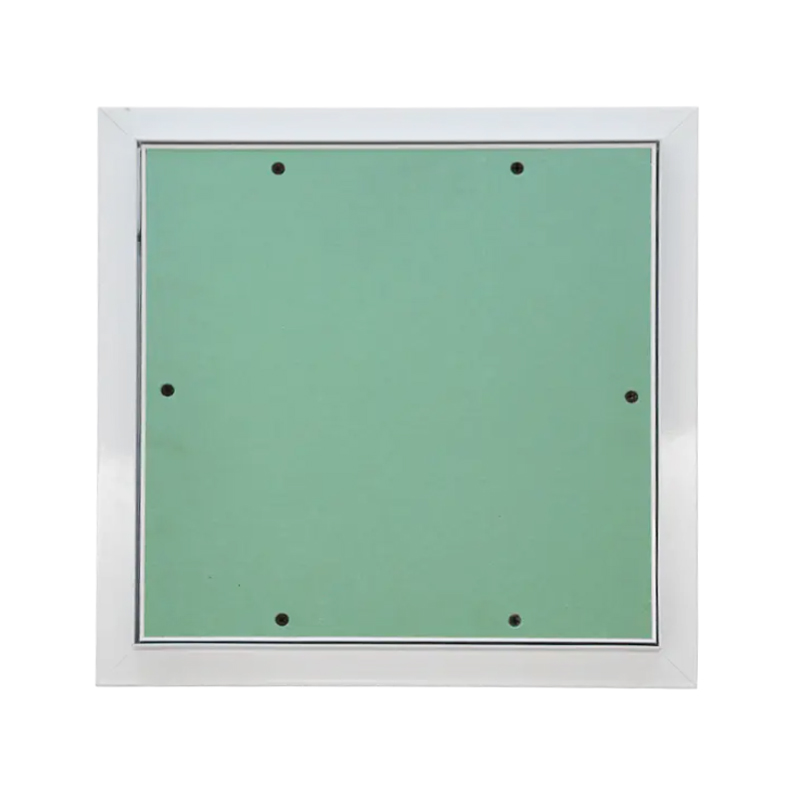
Proper installation is as crucial as product selection. Even the highest-quality panel will underperform if installed incorrectly.
Aluminum access panels are low-maintenance, but periodic checks extend their service life.
Specifying the correct aluminum access panel is a strategic decision that impacts building safety, functionality, maintenance efficiency, and aesthetic cohesion. From specialized fire rated aluminum access panels to discreet flush mount aluminum ceiling access panel designs and robust large aluminum access panel for HVAC needs, the right solution exists for every challenge. By prioritizing quality manufacturing, adherence to international standards, and precise specification based on application needs, project stakeholders can ensure a durable, compliant, and seamless outcome. As global leaders in the field demonstrate, such as Zhejiang Shunshi Intelligent Technology Co., Ltd. with its professional R&D team capable of OEM and ODM projects, the future of access solutions lies in intelligent design, material excellence, and a steadfast commitment to being the benchmark of the industry.
[1] Smith, J., & Doe, A. (2020). Comparative Analysis of Building Material Performance in Humid Environments. Journal of Architectural Engineering, 26(4), 112-120. (The comparison of material limitations in humid environments, such as steel's propensity to rust and plastic's tendency to warp, is supported by general principles discussed in this source.)
[2] International Code Council (ICC). (2021). International Building Code (IBC). Chapter 7: Fire and Smoke Protection Features. (Reference for the critical role of fire-rated assemblies and access panels in maintaining compartmentalization as per building codes.)
[3] ASTM International. (2019). ASTM E119-19: Standard Test Methods for Fire Tests of Building Construction and Materials. (The standard test method referenced for establishing fire resistance ratings of building elements, including access panels.)

Contact Us
SHUNSHI provides a range of technical support services to ensure that customers are able to properly select, install and maintain these products.
Products
Access Panels GuideContact
Tel: 86-15988108762
86-572-8298792
Fax: 86-572-8298792
E-mail: [email protected]
No.281 Mingzhu Main Road, Leidian Town, Deqing, Huzhou, Zhejiang, China, 313219

 English
 Español
 عربى
عربى