English
In the intricate ecosystem of a modern building, behind the sleek finishes and ambient lighting, lies a critical network of utilities—electrical conduits, plumbing, HVAC ducts, fire suppression systems, and data cables. Providing safe, compliant, and discreet access to these vital systems is the primary function of ceiling access panels. Far from being a mere afterthought, these panels are engineered components that play a pivotal role in building safety, maintenance efficiency, and acoustic performance. Selecting the right panel is a decision that impacts long-term operational costs, safety compliance, and occupant comfort. This guide delves deep into the types, applications, and installation best practices for these essential building elements, offering professionals the insights needed to make informed specifications. Whether you're an architect designing for both form and function, a contractor ensuring flawless execution, or a facility manager planning for future upkeep, understanding the nuances of access panels is crucial. We will explore specialized variants like fire rated ceiling access panels and acoustic ceiling access panel solutions, provide practical advice on how to install a ceiling access panel correctly, and clarify considerations for different types such as the recessed ceiling access panel and options for large ceiling access panel size requirements.
The selection of a ceiling access panel is a multifaceted decision that balances code compliance, performance specifications, aesthetic integration, and practical utility. A panel chosen solely on price or basic size can become a point of failure, compromising fire safety, allowing noise leakage, or creating an eyesore. The process begins with a clear understanding of the panel's purpose: What systems will it provide access to? Is it located in a fire-rated assembly or a noise-sensitive area? What are the aesthetic expectations for the finished ceiling? For instance, a panel above a hospital corridor's plumbing chase has vastly different requirements—likely needing both fire and acoustic ratings—compared to one in a warehouse mezzanine. The core materials, framing, sealing mechanisms, and door operation all contribute to its final performance. Manufacturers with robust engineering capabilities can provide tailored solutions, from standard off-the-shelf products to fully customized designs that meet unique architectural challenges, ensuring the panel is an integral, high-performing part of the building envelope rather than just a cover for a hole.
In any commercial, residential, or institutional building, fire safety systems are designed to compartmentalize flames and smoke, providing crucial time for evacuation. A fire rated ceiling access panel is an integral component of this strategy. Its purpose is to maintain the integrity of the fire-rated ceiling or floor-ceiling assembly it penetrates. Standard panels can create a weak point, but a certified fire-rated panel is rigorously tested to withstand high temperatures for a specified duration—typically 60, 90, or 120 minutes—without allowing the passage of flames or hot gases. This is achieved through specialized materials like mineral wool cores, intumescent seals that expand when heated to close gaps, and robust, non-combustible framing. Specifying the correct rating is not a suggestion but a strict code requirement in many jurisdictions for accessing plenum spaces, utility chases, and above rated corridors. It is imperative to request and verify the product's certification listing from recognized testing laboratories.
Sound control is a critical design parameter in spaces like conference rooms, recording studios, hospital patient rooms, luxury hotels, and multi-unit residential buildings. An acoustic ceiling access panel is engineered to match or exceed the Sound Transmission Class (STC) rating of the surrounding ceiling assembly. A standard panel can act as a "flanking path," drastically reducing the overall partition's effectiveness by allowing sound to leak through. Acoustic panels combat this through a combination of mass, damping, and decoupling. They often feature heavy-gauge steel construction, sound-absorbing core materials, and perimeter gasket systems that create an airtight seal against the frame. For projects where noise control is paramount, specifying an acoustic-rated panel is essential to meet design specifications and ensure occupant comfort and privacy.
| Feature | Standard Panel | Acoustic Panel |
| Primary Goal | Basic Access | Access + Sound Sealing |
| STC Rating | Not rated or low (e.g., STC 20) | Rated (e.g., STC 45, 50, 55+) |
| Sealing System | Basic lip or simple gasket | Compression gasket, magnetic seal |
| Core Material | Hollow or lightweight fill | Dense acoustic mineral wool or foam |
| Frame Design | Standard | Often deeper to accommodate seals and core |
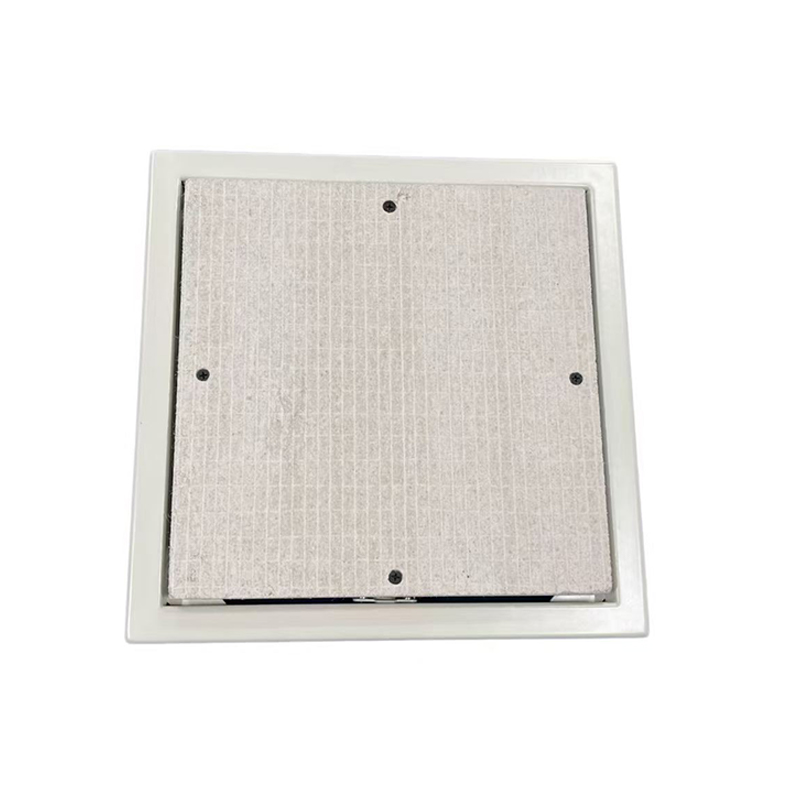
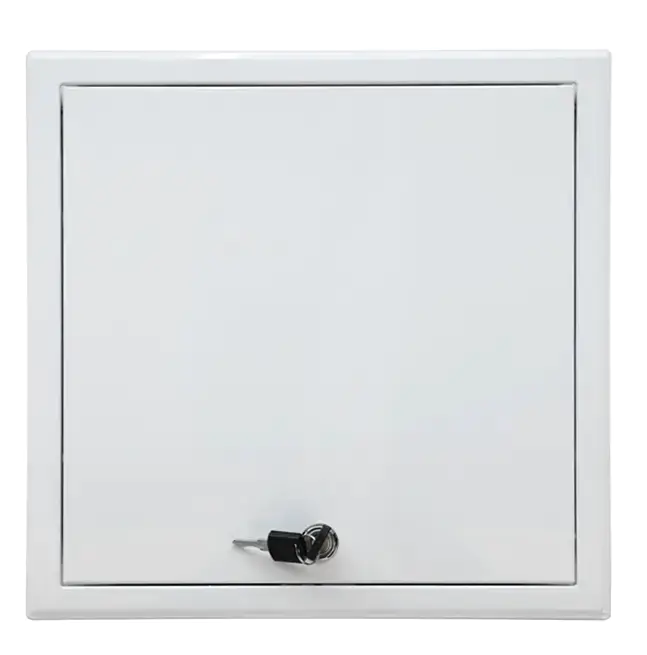
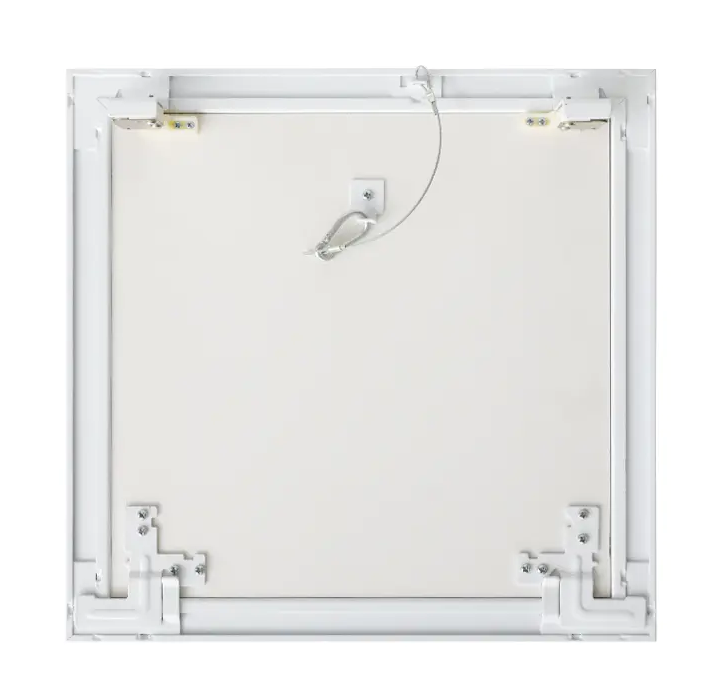
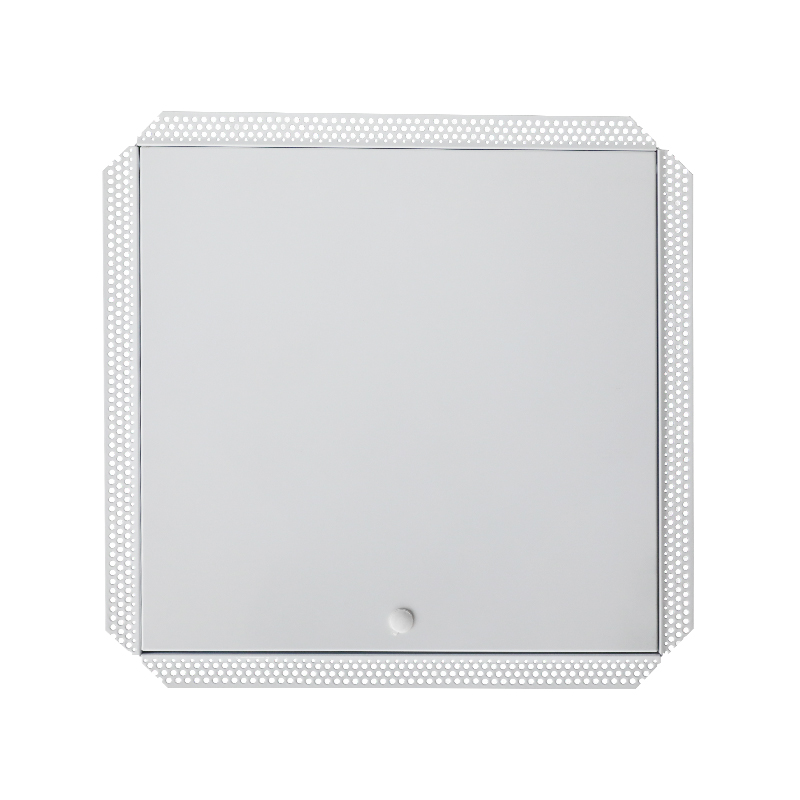
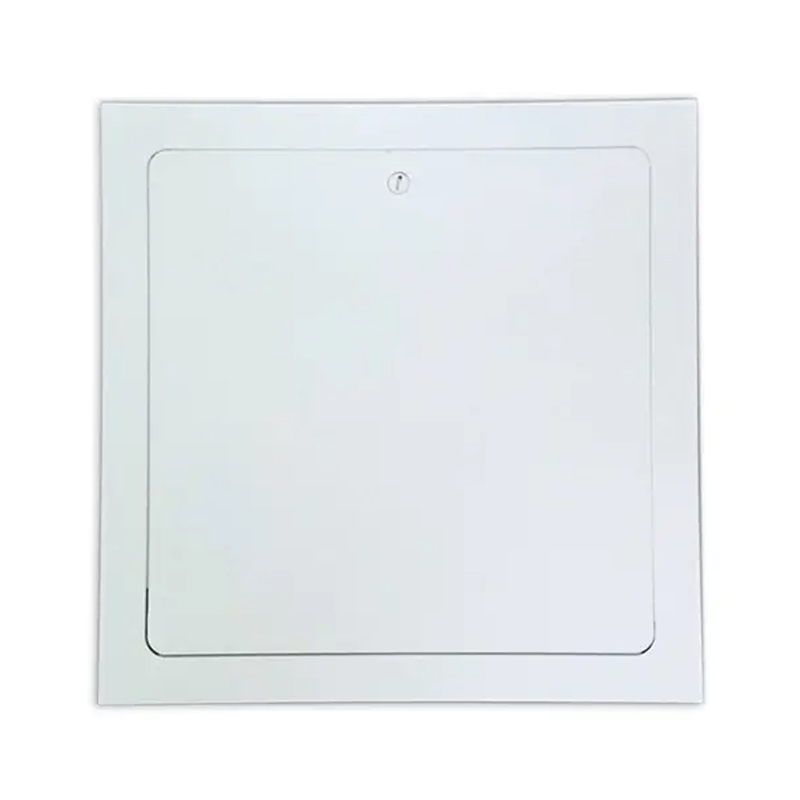
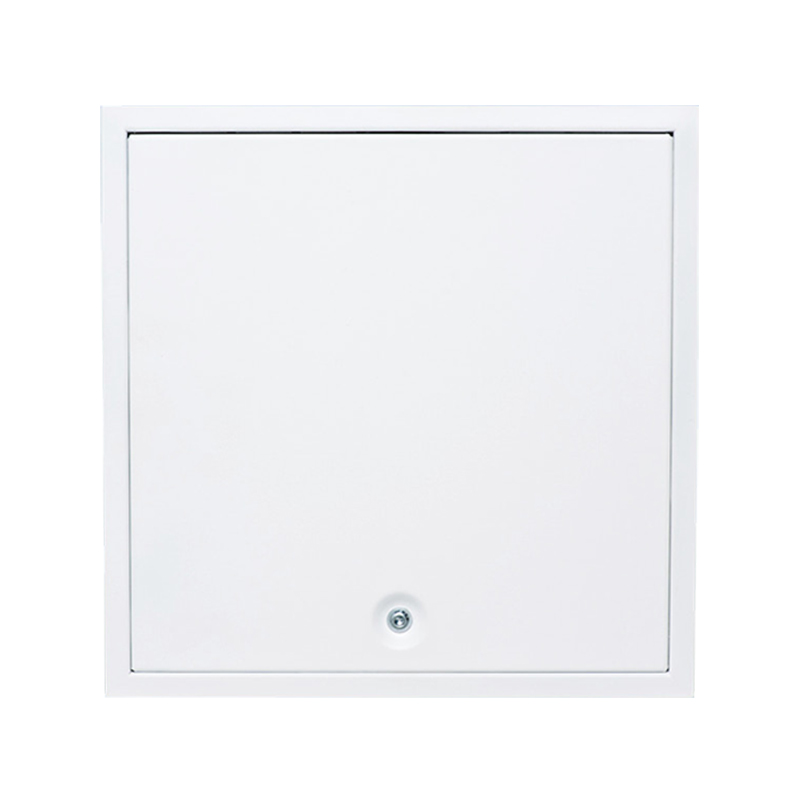
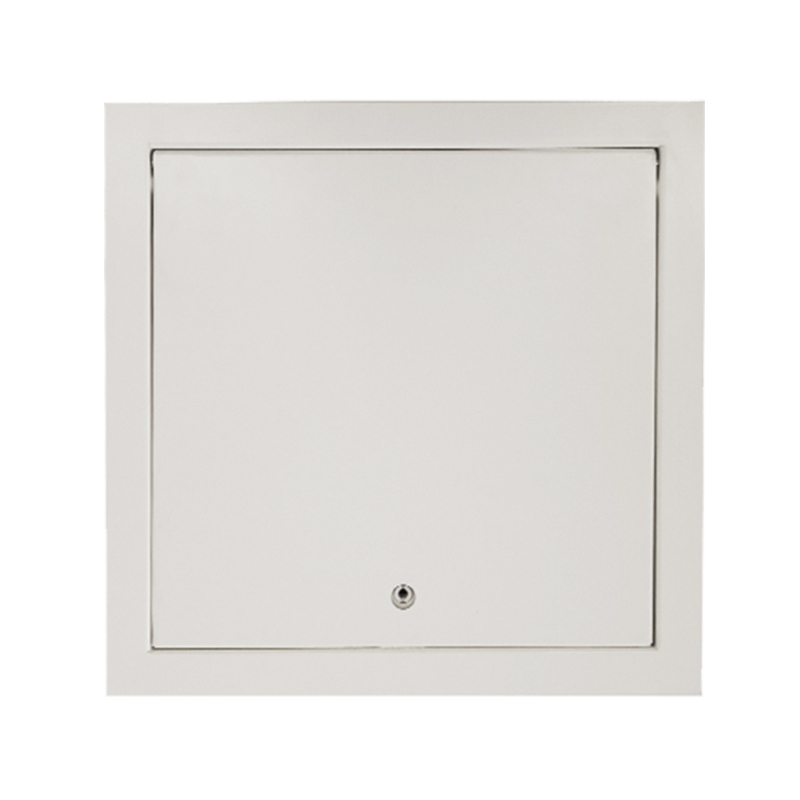
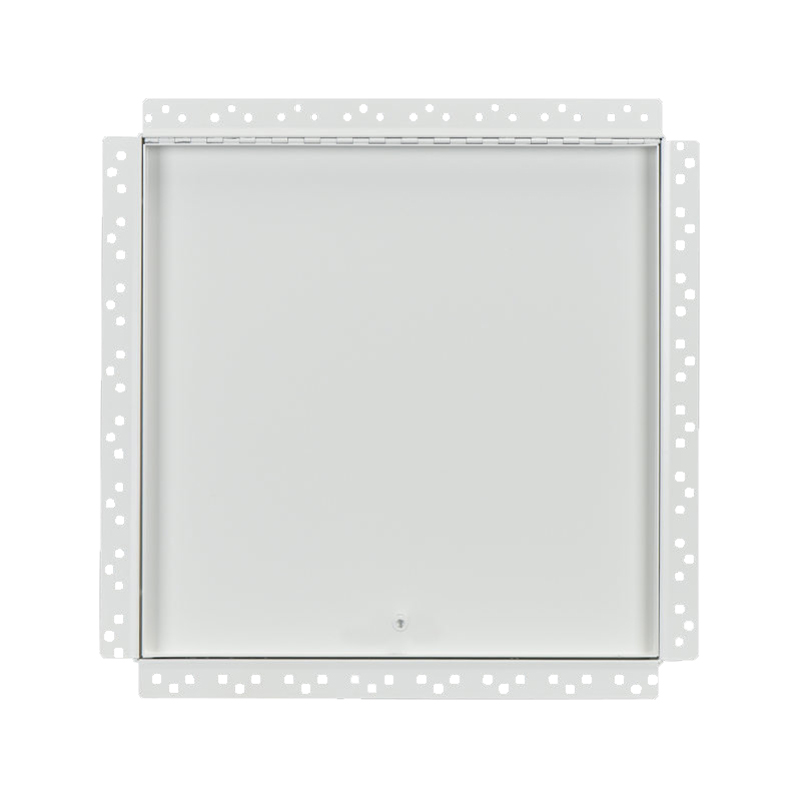
The installation method significantly impacts the final appearance. A recessed ceiling access panel is designed to be installed flush with the finished ceiling surface. After the surrounding drywall, plaster, or tile is applied and finished over the panel's flange, and the door is installed, it becomes virtually invisible, preserving clean sight lines. This is the preferred choice for high-end architectural projects, museums, corporate offices, and any setting where visual continuity is paramount. Surface-mount panels, conversely, are installed over the finished ceiling. While easier to install and relocate, they are more visible. The choice hinges on the ceiling construction type, the frequency of anticipated access, and the project's aesthetic goals. Recessed panels require more precise framing and coordination during the rough-in phase but offer a superior finished look.
Standard panels often suffice for accessing valves, junction boxes, or small ducts. However, major mechanical equipment, large ductwork junctions, or custom building features may necessitate a large ceiling access panel size. These custom solutions present unique engineering challenges. The larger the door, the more critical the structural integrity of the frame and the hinges become to prevent sagging. Door operation also needs consideration—large single-leaf doors can be heavy and require robust hardware, while multi-leaf (bi-fold or double-door) designs can offer easier operation. The weight of the panel itself and how it is supported by the surrounding structure must be calculated. Furthermore, large panels in rated assemblies must still achieve their fire or acoustic performance across a bigger surface area, requiring sophisticated engineering in the seals and core construction.
| Consideration | Standard Panel (e.g., 24"x24") | Large Custom Panel (e.g., 48"x96") |
| Structural Support | Standard wood/metal framing adequate. | May require reinforced perimeter framing or auxiliary support. |
| Door Operation | Single leaf, simple hinge/latch. | May need heavy-duty continuous hinges, gas struts, or multi-leaf design. |
| Handling & Installation | Often manageable by one person. | May require multiple installers or mechanical assistance. |
| Performance Rating Maintenance | Easier to engineer seals for perimeter. | Greater challenge to maintain seal integrity across long seams and edges. |
Even the highest-quality ceiling access panel will underperform or fail if installed incorrectly. Proper installation is the final, critical step to ensuring the panel delivers on its promised fire rating, acoustic performance, and aesthetic finish. The process begins long before the panel arrives on-site, with careful planning and coordination. The rough opening in the framing must be built to the exact dimensions specified by the manufacturer, accounting for the flange and any required clearance. It must be square, level, and plumb. The surrounding ceiling substrate must also be prepared appropriately. For fire-rated or acoustic installations, the specific brand and type of sealant or gasket material called out in the product's certification must be used. Rushing this process or taking shortcuts can void warranties and, more importantly, compromise life safety. A methodical, by-the-book approach guarantees that the panel functions as intended for the life of the building.
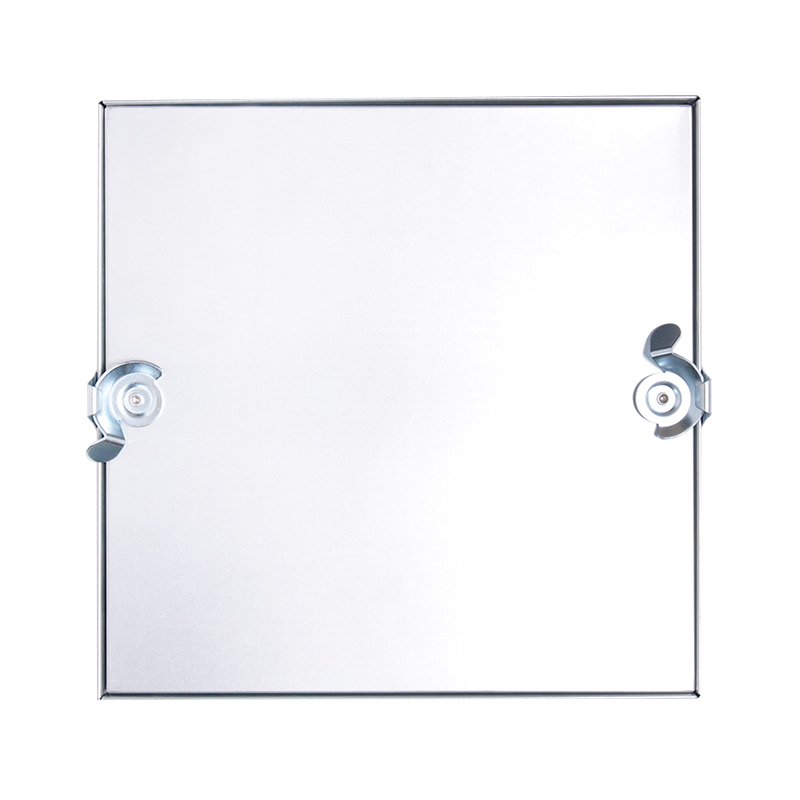
Before touching the panel, complete a thorough site verification. Confirm the model and size match the project submittals and shop drawings. Check the panel's swing direction (left-hand or right-hand) to ensure it will open without obstruction from lights, ducts, or structural elements. Inspect the rough opening: it should be framed with durable material (e.g., 2x lumber or metal studs) and be precisely sized—typically 1/2" larger than the panel's frame dimensions to allow for adjustment and shimming. The opening must be square; measure diagonally from corner to corner—the measurements should be equal. Ensure the ceiling substrate (drywall, plaster) is installed securely around the opening. For fire rated ceiling access panels, have the correct fire-rated sealant (often red or gray in color) on hand. For acoustic ceiling access panel installations, ensure the gaskets are clean and undamaged.
A standard ceiling access panel is designed primarily to provide physical access with little to no consideration for containing fire or smoke. A fire rated ceiling access panel is a tested and certified assembly. It incorporates specific materials (like intumescent seals and non-combustible cores) and construction methods that allow it to maintain the fire-resistance rating of the wall or ceiling it is installed in for a legally mandated period (e.g., 60, 90, 120 minutes). Using a standard panel in a rated assembly creates a dangerous breach in the fire barrier.
Yes, most acoustic ceiling access panel units with metal faces can be painted, but it must be done with care to preserve performance. Use low-VOC, latex-based paints in thin coats. Avoid painting over the compression gaskets, seals, or any weep holes, as this can cause the gasket to stick, reduce its elasticity, or block the sealant. It is always best to consult the manufacturer's guidelines. For best acoustic results, the paint should not significantly alter the mass or stiffness of the door.
The size is determined by the largest piece of equipment that needs to be removed or serviced through the opening, plus adequate working clearance for hands and tools. Don't just match the pipe or duct size. For a large ceiling access panel size requirement, consider using a multi-leaf design for easier operation. Always check local building codes, as some have minimum size requirements for accessing specific equipment. When in doubt, consult with the mechanical engineer and the panel manufacturer during the design phase.
Installing a recessed ceiling access panel in an existing ceiling is more complex than new construction but feasible. It involves carefully cutting the drywall to the exact outer dimensions of the panel's flange, securing the frame to the existing joists or by adding new blocking, and then re-taping and finishing the drywall seam around the flange. It requires skilled drywall finishing to make the panel truly invisible. For a cleaner retrofit, a surface-mount panel might be a more practical alternative.
Minimal but important maintenance ensures long-term performance. Periodically check and tighten hinge screws and latch mechanisms. For fire rated and acoustic panels, inspect the condition of the perimeter seals and gaskets every few years. Look for cracking, tearing, or compression set. Ensure the door continues to close fully and evenly against the frame to maintain the seal. Keep the panel and surrounding area free of debris or stored items that could obstruct its operation in an emergency.

Contact Us
SHUNSHI provides a range of technical support services to ensure that customers are able to properly select, install and maintain these products.
Products
Access Panels GuideContact
Tel: 86-15988108762
86-572-8298792
Fax: 86-572-8298792
E-mail: [email protected]
No.281 Mingzhu Main Road, Leidian Town, Deqing, Huzhou, Zhejiang, China, 313219

 English
 Español
 عربى
عربى