English
Specifying steel access panels might seem like a minor line item in a large commercial build. But for procurement managers overseeing multi-floor projects, the wrong decision — made too late — creates a cascade of inspection delays, change orders, and coordination failures that are expensive to unwind. This guide walks through what to lock in, when to lock it in, and what to verify before committing to a supplier.
On large commercial projects, access panels touch three separate trades: mechanical, electrical, and finishing. When procurement teams treat panel selection as a late-stage detail, they create compounding problems across all three.
A panel that passes code on paper may conflict with MEP routing once modeled in BIM. A panel specified for one floor may vary from another, creating inconsistency that slows inspections across the whole building. Fire-rated assemblies that aren't system-matched to the specific wall or ceiling construction can fail submittal entirely — triggering costly rework after framing is complete.
The pattern that experienced procurement teams follow in 2026 is straightforward: treat access panel specification as a system-wide decision, not a product substitution. That means locking in the spec during pre-construction, not during the procurement sprint.
Before issuing any RFQ or purchase order, procurement managers need verified answers to the following:
Under current IBC standards, fire-rated access panels must be system-matched to the specific fire-resistance duration and material of the assembly they penetrate. A panel installed in a 2-hour fire barrier must be tested to ASTM E119 or UL 263 — and that test must cover the specific wall or ceiling construction, not just the panel in isolation. Confirm UL listing and assembly compatibility before finalizing the spec, not after.
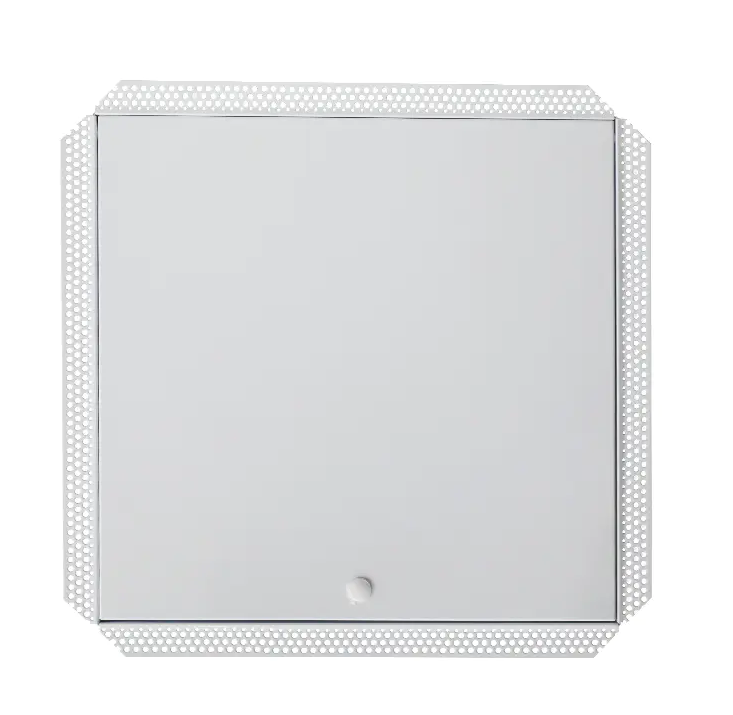
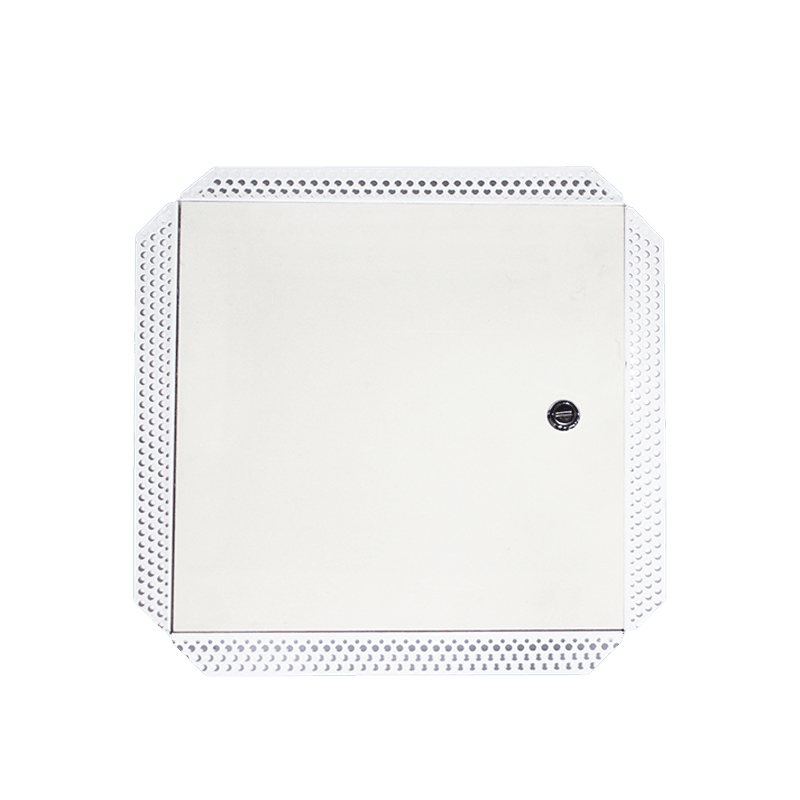
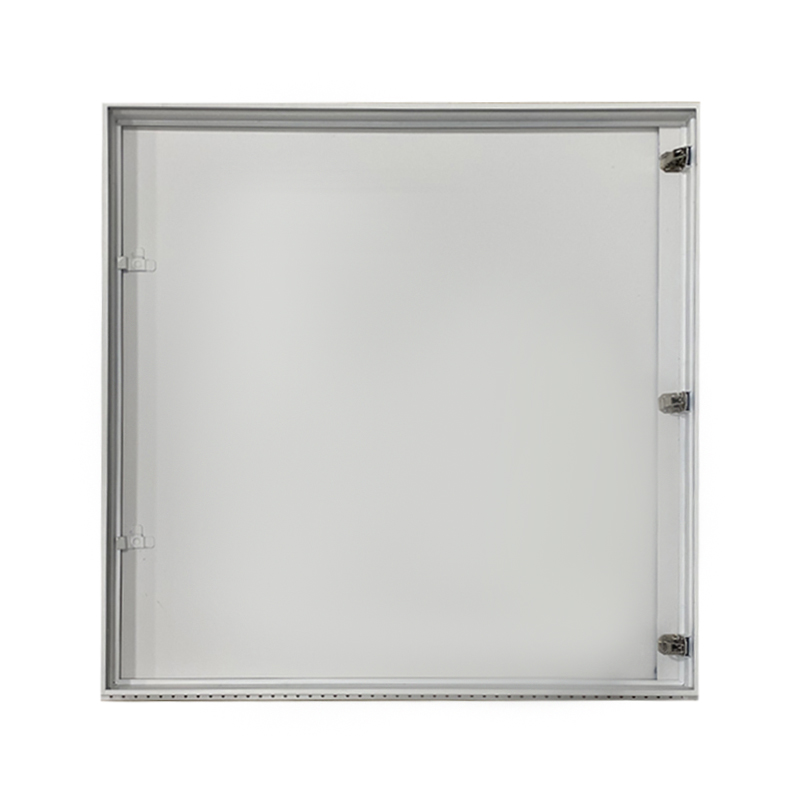
Steel access panels for commercial applications are typically manufactured in 16-gauge or 20-gauge steel. Heavier gauge (16-gauge) is standard for frames, particularly where the panel will see repeated maintenance access or be installed in high-traffic corridors. Confirm gauge requirements for both the door leaf and the frame, and verify they match the structural demands of the installation location.
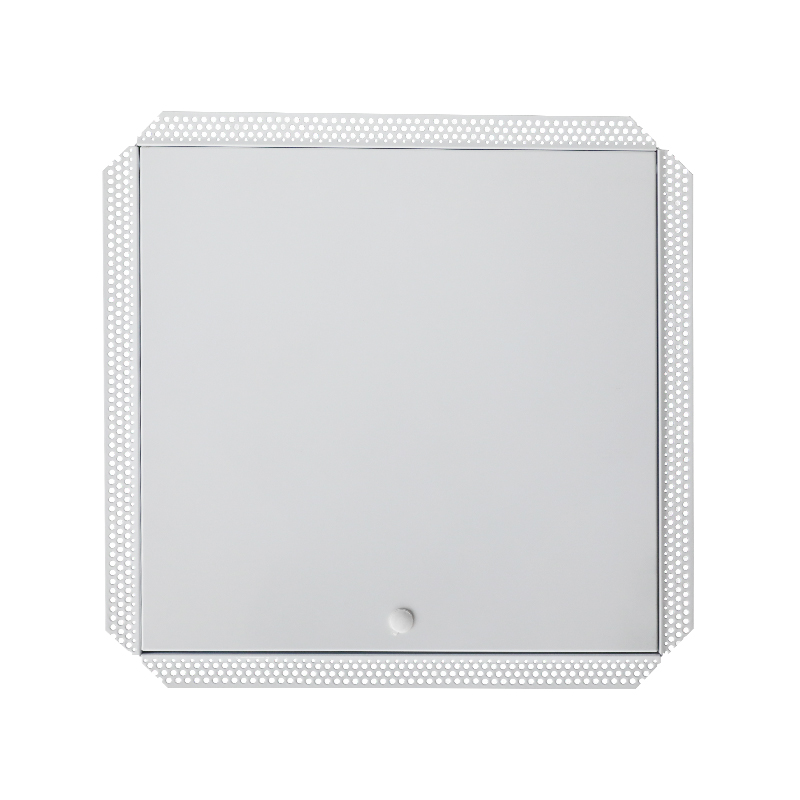
Panel sizing and load ratings differ between wall and ceiling applications. Standard commercial sizes for wall installation reach up to 48" × 48"; ceiling-rated panels are typically capped at 24" × 36" for structural and safety reasons. Mixing specifications between applications is a common source of submittal rejections. Map every installation point against its location type before generating the bill of quantities.
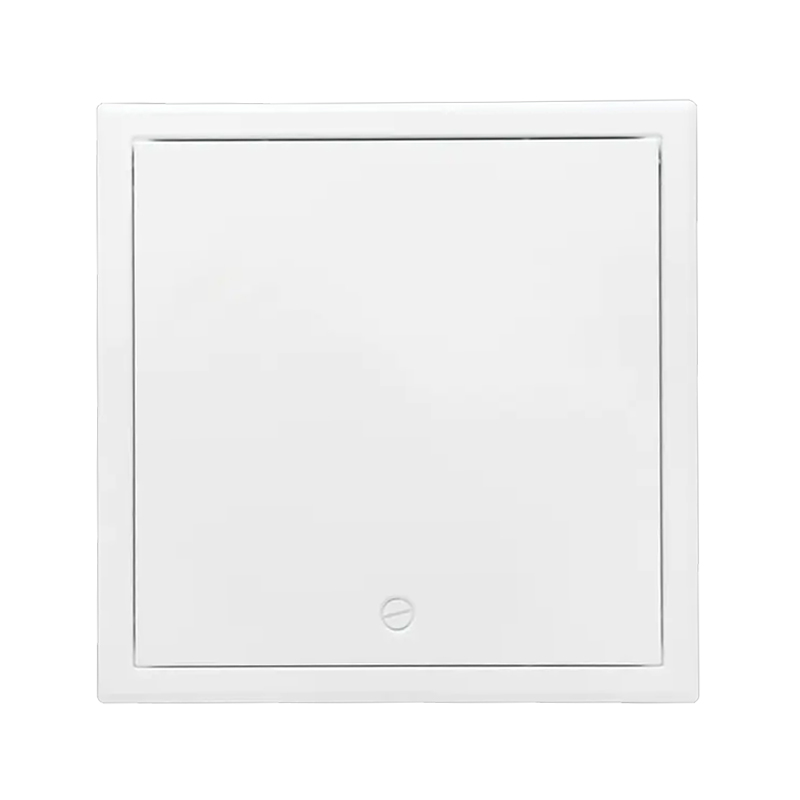
For projects in healthcare, education, or public infrastructure, panel access may need to be restricted. Confirm early whether panels require key locks, flush latches, or integration with the building's broader access control system. Specifying a standard turn-ring latch where a keyed lock is required means re-ordering — a delay that is entirely avoidable with an upfront review of the security brief.
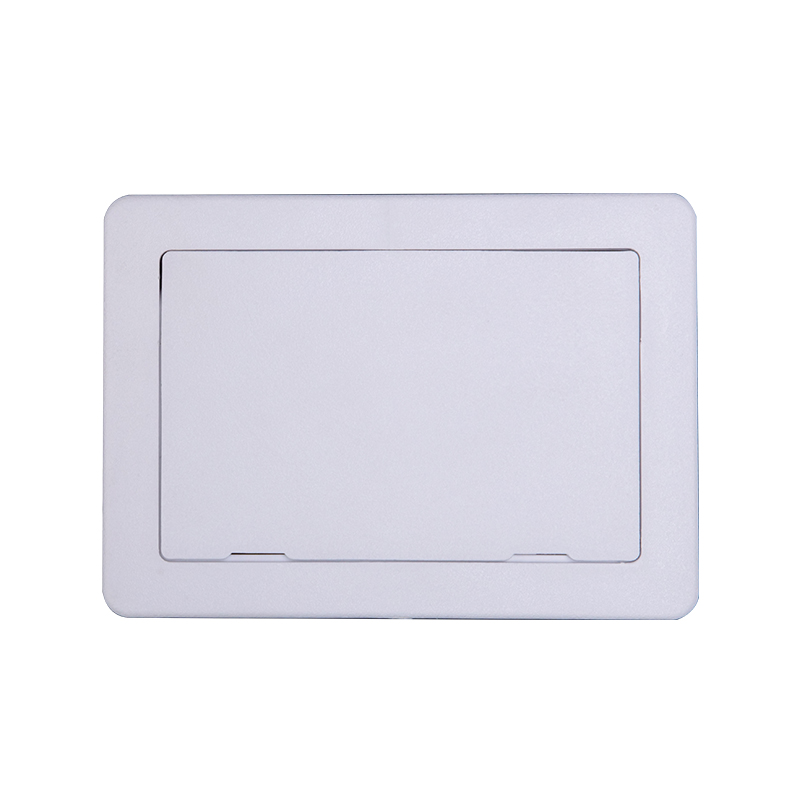
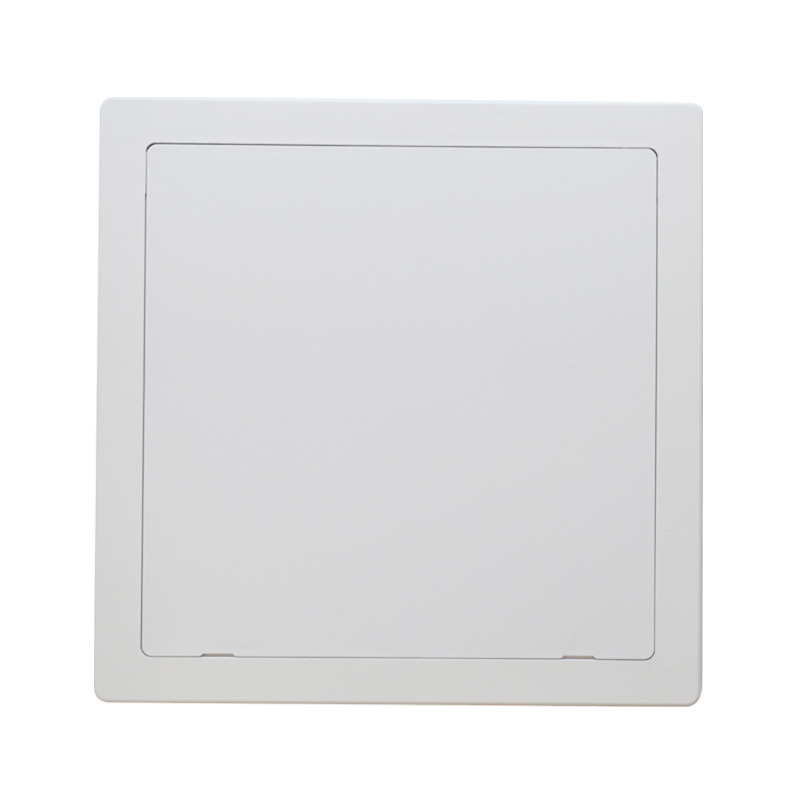
White powder-coat is the standard commercial finish and is compatible with most paint systems for drywall and plaster applications. However, in exposed or high-specification interior environments, stainless steel or custom-painted finishes may be required. Align finish specifications with the interior design package early — not at the punchlist stage.
The procurement risk for access panels is not in the panels themselves — it's in the timing. The following table maps the key decision points against project phases:
| Project Phase | Required Action | Risk if Delayed |
|---|---|---|
| Pre-Construction / Design Development | Lock in fire rating, gauge, and location specs; begin BIM coordination | MEP conflicts discovered post-framing; submittal rejections |
| Permit / Submittal Phase | Submit panel product data sheets with UL listing documentation | Inspection delays; forced product substitution mid-project |
| Procurement / Bulk Order | Issue purchase order with verified bill of quantities; confirm lead times | Supply shortfalls on multi-floor projects; schedule impact |
| Installation / MEP Rough-In | Verify panel positioning against MEP layout; install per UL assembly requirements | Rework costs; failed NFPA 80 inspections |
For international suppliers — particularly manufacturers exporting to North American or European commercial projects — procurement managers should verify the following documentation before proceeding:
For large-scale projects, requiring a sample or mock-up prior to bulk order is a standard practice that eliminates finish, fitment, and tolerancing surprises at installation.
On projects spanning multiple floors or multiple buildings within a campus, specification consistency delivers measurable procurement and operational advantages. Using a single panel series across all locations means:
Deviations from the standard specification should require written justification and engineering review. Allowing ad hoc substitutions in the field is where specification discipline breaks down and inspection risk accumulates.
Steel access panels are a system component, not a commodity substitution. The procurement decisions that matter most are made during pre-construction — not during the buy. Lock in the fire rating, gauge, installation location, and finish specifications before framing begins. Qualify suppliers against documentation standards, not just price. And treat specification consistency across floors as a risk management strategy, not an aesthetic preference.
For procurement teams sourcing steel access panels for large commercial builds, early alignment between the design team, MEP contractors, and the panel supplier is the single highest-leverage action available. Everything downstream — submittals, inspections, installation, and long-term maintenance — runs more smoothly when that alignment is in place before the first panel is ordered.

Contact Us
SHUNSHI provides a range of technical support services to ensure that customers are able to properly select, install and maintain these products.
Contact
Tel: 86-15988108762
86-572-8298792
Fax: 86-572-8298792
E-mail: [email protected]
No.281 Mingzhu Main Road, Leidian Town, Deqing, Huzhou, Zhejiang, China, 313219

 English
 Español
 عربى
عربى