English
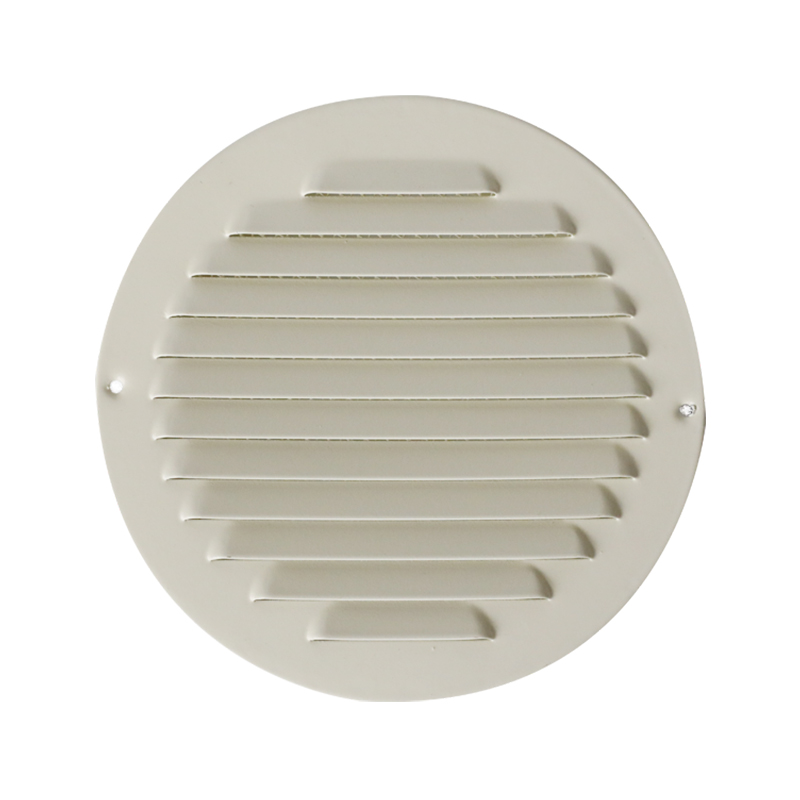
Aluminum air vents are the premier choice for modern ventilation systems due to their exceptional strength-to-weight ratio, natural corrosion resistance, and thermal conductivity. If you are looking for a long-term solution that balances performance with aesthetic versatility, aluminum is the superior material compared to plastic or steel.
When evaluating ventilation components, aluminum provides distinct technical advantages that ensure system longevity and reliability. The following table highlights why professionals prefer this material:
| Feature | Aluminum | Plastic | Steel |
|---|---|---|---|
| Corrosion Resistance | High | Very High | Low |
| Thermal Efficiency | Excellent | Low | Moderate |
| Weight | Lightweight | Light | Heavy |
Aluminum air vents are highly adaptable to various environmental conditions. Their lightweight nature makes them ideal for ceiling-mounted applications, while their resistance to moisture ensures they perform well in high-humidity areas.
In residential settings, aluminum louvers help optimize airflow in bathrooms and kitchens. Because aluminum does not rust, it is highly recommended for damp environments where steel vents would eventually deteriorate.
Commercial buildings often utilize large-scale aluminum grilles to handle high volumes of airflow. The material’s ability to be easily extruded into complex shapes allows for custom designs that meet specific architectural and aerodynamic requirements.
To maximize the lifespan of your aluminum air vents, a consistent maintenance schedule is required. Even though the material is naturally protected against corrosion, dust accumulation can impede airflow efficiency by up to 15% over a six-month period.

Contact Us
SHUNSHI provides a range of technical support services to ensure that customers are able to properly select, install and maintain these products.
Products
Access Panels GuideContact
Tel: 86-15988108762
86-572-8298792
Fax: 86-572-8298792
E-mail: [email protected]
No.281 Mingzhu Main Road, Leidian Town, Deqing, Huzhou, Zhejiang, China, 313219

 English
 Español
 عربى
عربى