English
Every finished building hides spaces that somebody will need to open again: the stop valve behind a bathroom wall, the junction box above a hotel corridor, the damper in a clinic ceiling. A plastic wall access panel keeps those spaces serviceable without leaving an ugly hole in the finish. For installers it saves time on site; for distributors it is a steady-selling item that fits plumbing, electrical and HVAC catalogues at the same time.
Zhejiang Shunshi Intelligent Technology has been manufacturing access panels, vents and building hardware since 2005, and our products now reach more than 90 countries. Because we build steel, aluminium and plastic ranges under one roof, we can discuss material choice without bias. Below we explain what a plastic wall access panel really is, where it makes sense, how to size it, and what to verify before placing a wholesale order.
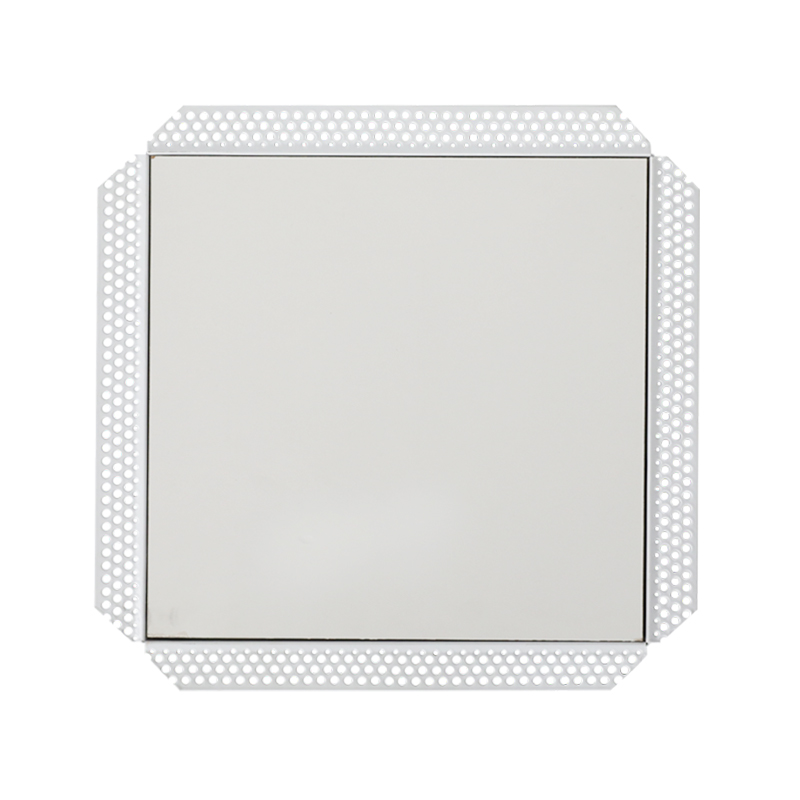
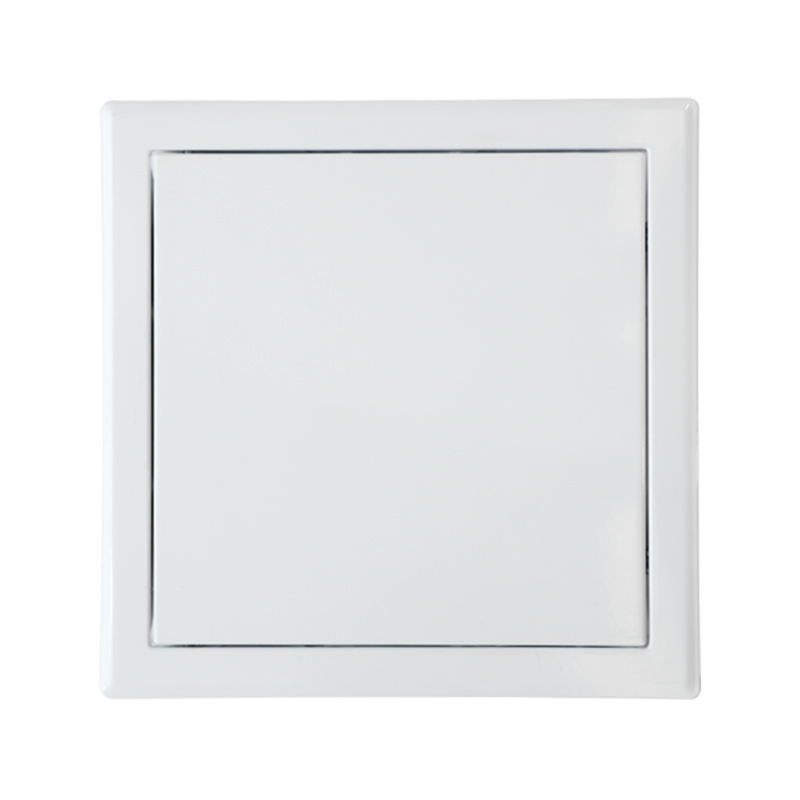
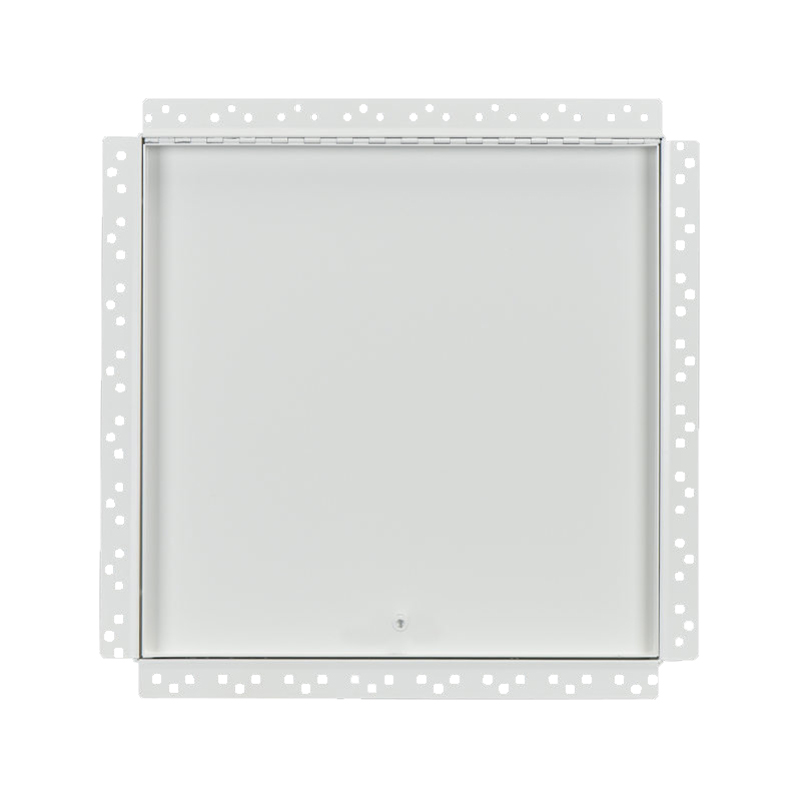
A plastic wall access panel is a ready-made frame and door assembly fixed into a wall, ceiling or duct enclosure to create a repeatable opening for inspection, maintenance and repair. The frame anchors to the substrate, while the door sits inside it and is held closed by a push lock, key lock, screw fixing, magnet or hinge. Most plastic units are moulded from ABS or PVC, materials that are rigid enough to carry a hinge, stable in humid rooms and smooth enough to be painted.
That last point matters more than buyers expect. A powder-coated steel panel looks its best the day it leaves the factory, but a plastic panel can be overpainted to match the surrounding wall, so the opening almost disappears in a finished bathroom or hospital corridor. There is no coating to chip, no rust to chase and no galvanised edge to touch up after cutting.
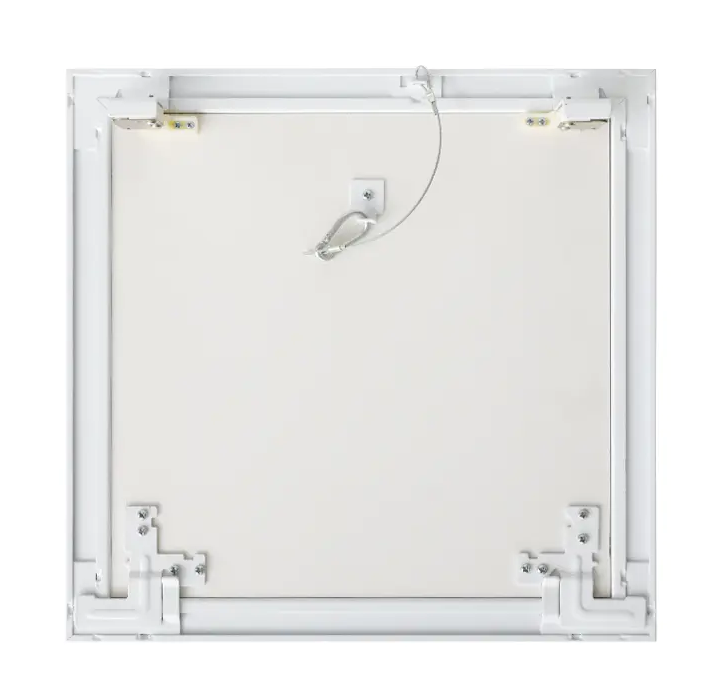
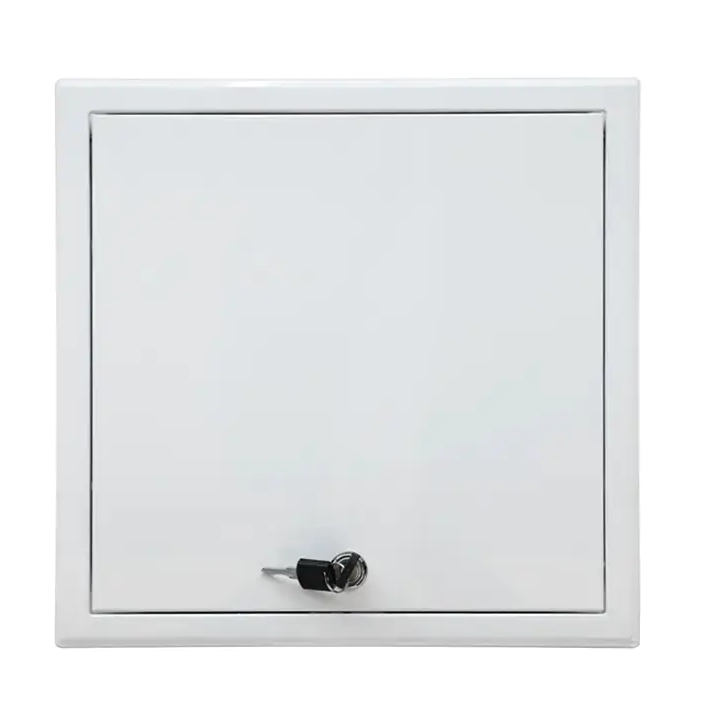
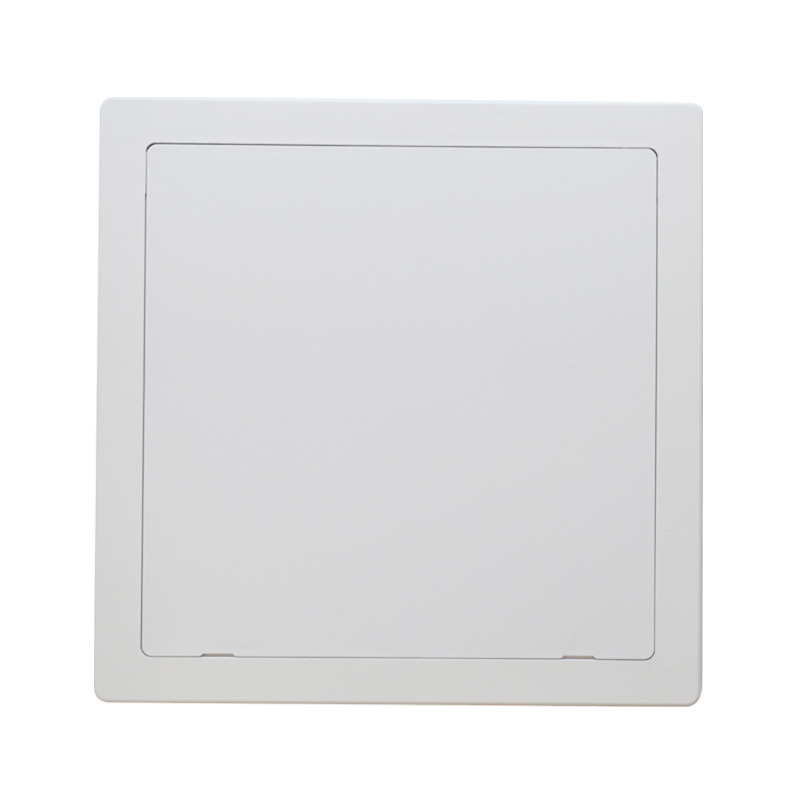 SP-AP001-2 Access Door Plastic Access PanelSS-AP001 FINLAND HOT SALES ACCESS DOOR PLASTIC ACCESS PANELView Product →
Models in our own SPAP series follow this logic: a slim moulded frame, a concealed hinge and a simple push catch, supplied white as standard with other colours available on request. They are light enough for one installer to position and hold with one hand, which is a real advantage when someone is working off a step ladder.
There is no single best material, only the best material for a given wall. Plastic wins in wet, non-fire-rated locations and in cost-driven projects. Steel suits fire compartments and heavy traffic. Aluminium sits in the middle, which is why it appears so often in commercial and export work. The table below summarises the differences we discuss most often with buyers.
| Consideration | Plastic (ABS/PVC) | Steel | Aluminium |
|---|---|---|---|
| Weight | Lightest | Heaviest | Light |
| Moisture and corrosion | Unaffected | Needs coating | Naturally resistant |
| Fire performance | Limited | Rated versions available | Rated with suitable core |
| Finish options | White, paintable | Powder coated | Anodised or coated |
| Typical use | Wet rooms, housing | Fire compartments, plant rooms | Commercial, hospitality |
| Relative cost | Lowest | Medium | Higher |
One practical rule we give to specifiers: if the wall sits on a fire compartment line, a plastic panel is usually the wrong answer however neat it looks. If it sits in a bathroom above a concealed cistern, a ceiling void serving a fan coil, or a residential duct riser, plastic is usually the right one and the saving can be reinvested elsewhere in the project.
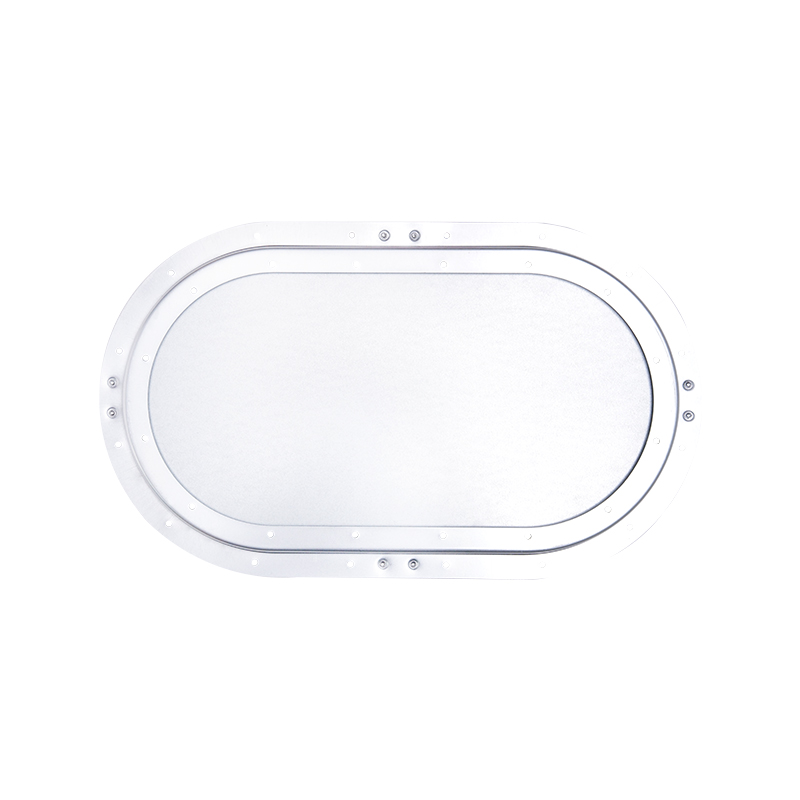
Wall openings are driven by whatever is behind them: a stop valve, a manifold, a junction box or a damper. Standard square sizes run from roughly 150 x 150 mm up to 600 x 600 mm, with rectangular panels for long service runs and circular versions for pipework. Custom sizes are routine in wholesale orders, and our engineering team can work from a drawing or a tile module so the panel lands on a grout line instead of across it.
Full dimensional data, including frame depth and the wall cut-out required for each model, is set out in our guide to access panel sizes and dimensions.
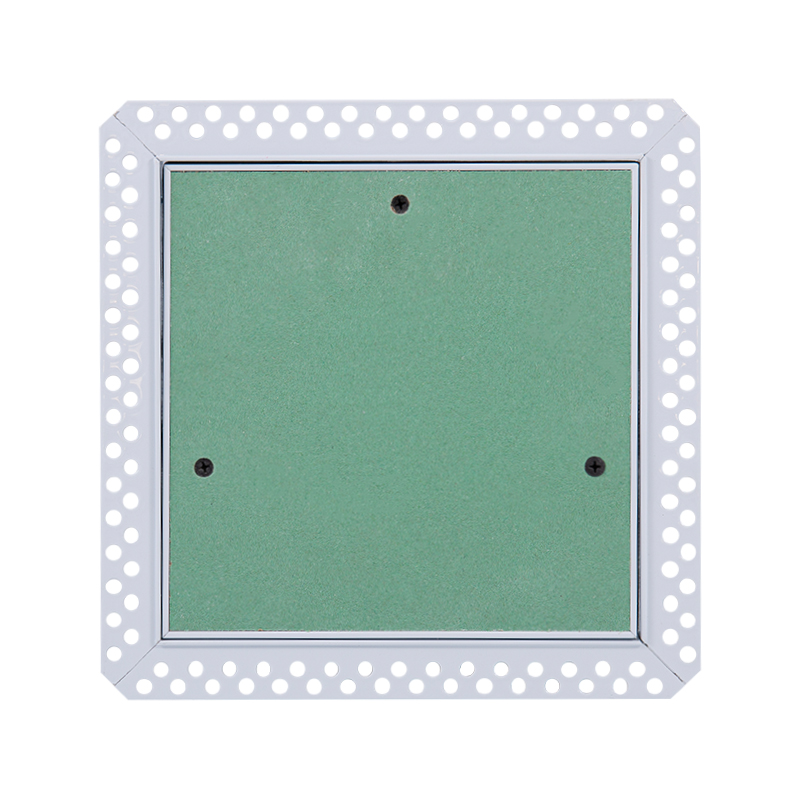
For plasterboard walls, a beaded or flanged frame gives a clean joint that can be skimmed or taped. For tiled bathrooms, a flat-frame version with a slim reveal sits flusher against the tile face. Door configuration matters too: single leaf for small hatches, double leaf or removable panels where the opening has to accept a toolbox or a filter.
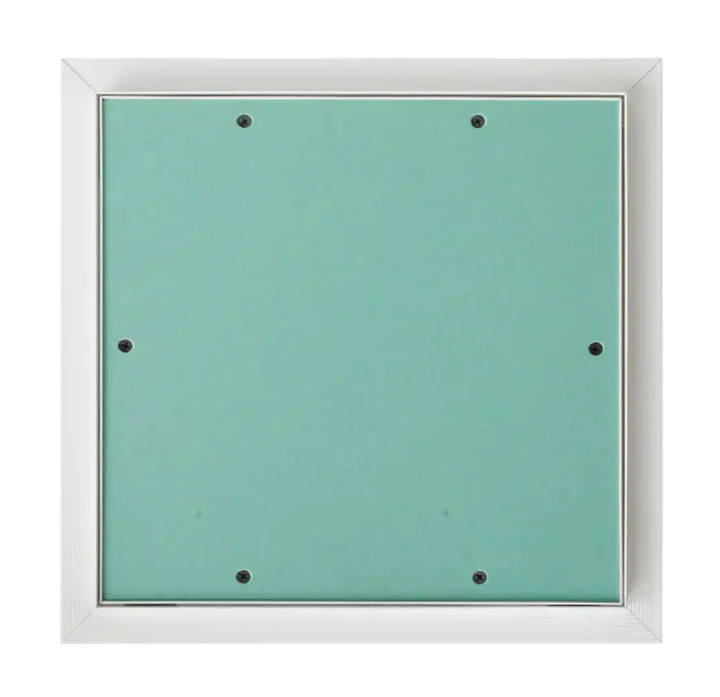
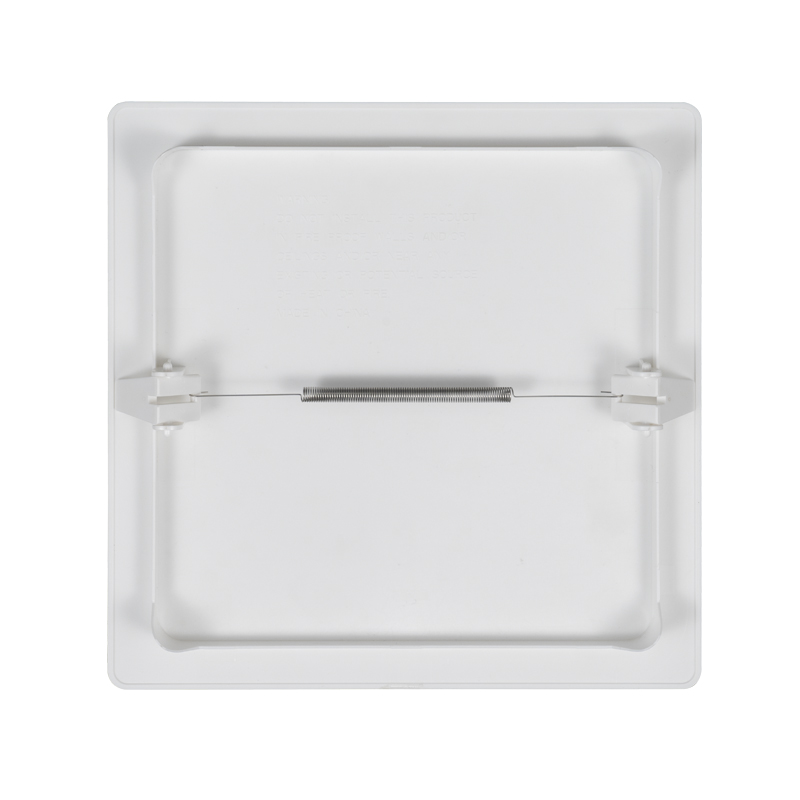 SP-AP002 Plastic Access Panel1. Easy access to in-wall plumbing and electrical. 2. 2.7mm ABS material. 3. Completely removable and reversible, it fits tightly with a spring-locked backside. 4. The...View Product →
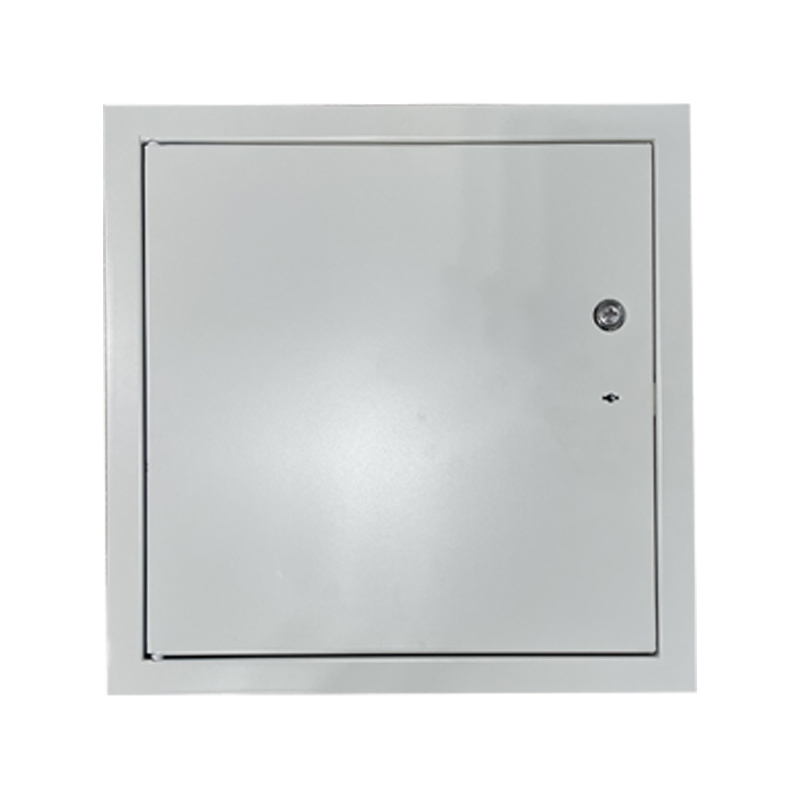
Locking is the other decision. A push catch is quick for maintenance staff, a key lock keeps public-facing panels closed, and a screw-fixed door is the cheapest option where access is rare. If you are unsure, a push lock with a discreet release is the safest default for residential and hospitality work.
Over two decades of export orders, a few application patterns keep repeating:
Where fire separation, heavy foot traffic or plant room abuse is involved, we steer customers toward steel or aluminium instead. Being honest about that boundary is part of the job.
Most complaints about access panels are not product faults but installation faults. A frame fixed out of square will not close after tiling; a cut-out that is too tight bows the frame; a panel installed before plaster thickness is allowed for will bind on the door edge. A short checklist avoids almost all of it:
Our step-by-step article on how to install an access panel in drywall, plaster and suspended ceilings covers substrate preparation, taping joints and finishing details in more depth, and it is written for site crews rather than designers.
Once a product is specified, the conversation shifts to supply. Wholesale buyers usually want to know four things: minimum order quantity, whether the colour and branding can be customised, how quality is controlled, and how long production takes.
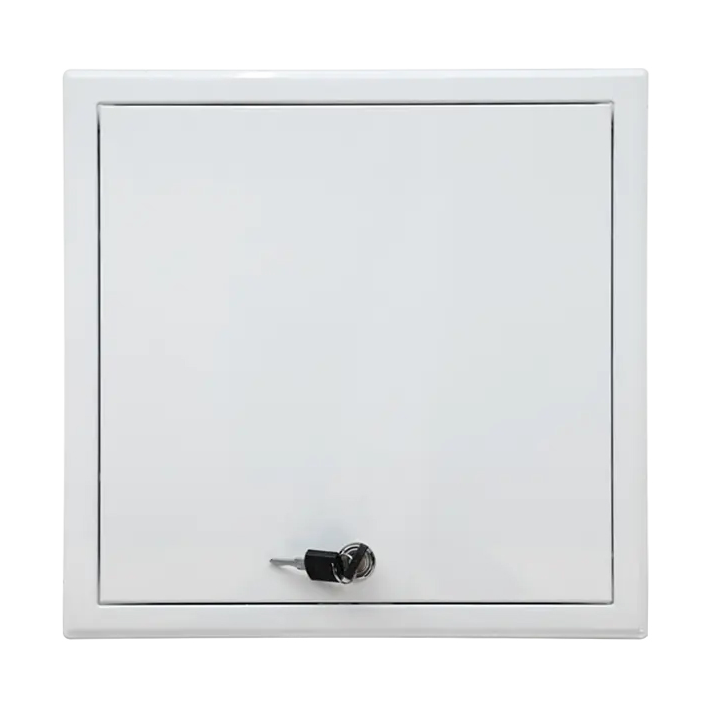
Plastic Access Panels SuppliersSP-AP001-2 Access Door Plastic Access PanelView Product →
Plastic panels are well suited to customisation because the frame and door are moulded rather than welded, so a colour change or a logo on the carton is straightforward. Our factory in Deqing operates under an ISO 9001 quality system and accepts buyer inspections before shipment. As a rough guide, allow time for sample approval, mould or colour confirmation and a full production run; planning those steps early is what keeps a project schedule intact.
It also helps to ask your supplier which sizes ship most often in your region. Regional preferences are real rather than imaginary: the sizes and lock types that sell in North America, the Middle East and Oceania differ, and a manufacturer with an established export pattern will already know which models to quote first.
A plastic wall access panel costs very little compared with the wall it sits in, yet it decides whether a future repair takes ten minutes or ten hours. Choose the material to match the location, size the opening around the equipment behind it, install it square and allow for the finish coat. Do those four things and the panel will stay almost invisible for the life of the building, which is exactly what a good service opening should do.
If you are comparing models, sourcing for a project or planning an OEM programme, our team is happy to review your drawings, suggest the closest standard size and send samples for approval.

Contact Us
SHUNSHI provides a range of technical support services to ensure that customers are able to properly select, install and maintain these products.
Products
Access Panels GuideContact
Tel: 86-15988108762
86-572-8298792
Fax: 86-572-8298792
E-mail: [email protected]
No.281 Mingzhu Main Road, Leidian Town, Deqing, Huzhou, Zhejiang, China, 313219

 English
 Español
 عربى
عربى