English
When you are planning drywall access, a small 12×12 inch opening is rarely the problem. The challenge starts when you need a larger opening — for a heavy duct, a main plumbing valve, a fire damper, or a piece of hospital equipment. A large access panel for drywall has to be stiff enough to hold its shape, easy to open and close, and finished in a way that does not ruin the wall or ceiling. Over the years, we have built thousands of these panels for projects around the world, and this guide covers the practical points that matter when you are sizing and specifying an oversized drywall access panel.
An access panel is a framed door that allows maintenance crews to reach building services behind a finished wall or ceiling. In drywall construction, the panel is installed flush with the finished surface so that it remains unobtrusive. A "large" panel generally means any unit above the standard 24×24 inch size, although the definition shifts with the application. Large panels commonly reach 24×48, 30×30, or even 36×36 inches and are used for servicing large valves, duct access, sprinkler risers, and equipment above lay-in ceilings.
| Imperial Size | Metric Size | Typical Use |
|---|---|---|
| 24×24 in | 610×610 mm | Standard large access to plumbing valves |
| 24×36 in | 610×915 mm | HVAC duct access, larger valves |
| 30×30 in | 762×762 mm | Electrical panels, fire dampers |
| 24×48 in | 610×1220 mm | Duct cleanouts, long equipment access |
| 36×36 in | 914×914 mm | Pump and large valve access |
Before you settle on a size, always verify the clear opening of the frame, not just the overall panel size. The actual access opening is smaller than the outside dimensions, and for large panels the difference can be surprising. Our access panel size guide explains how to measure correctly.
Large panels have bigger surfaces and heavier frames, so material and construction quality matter even more than on small panels. Here are the criteria we recommend walking through for every project.
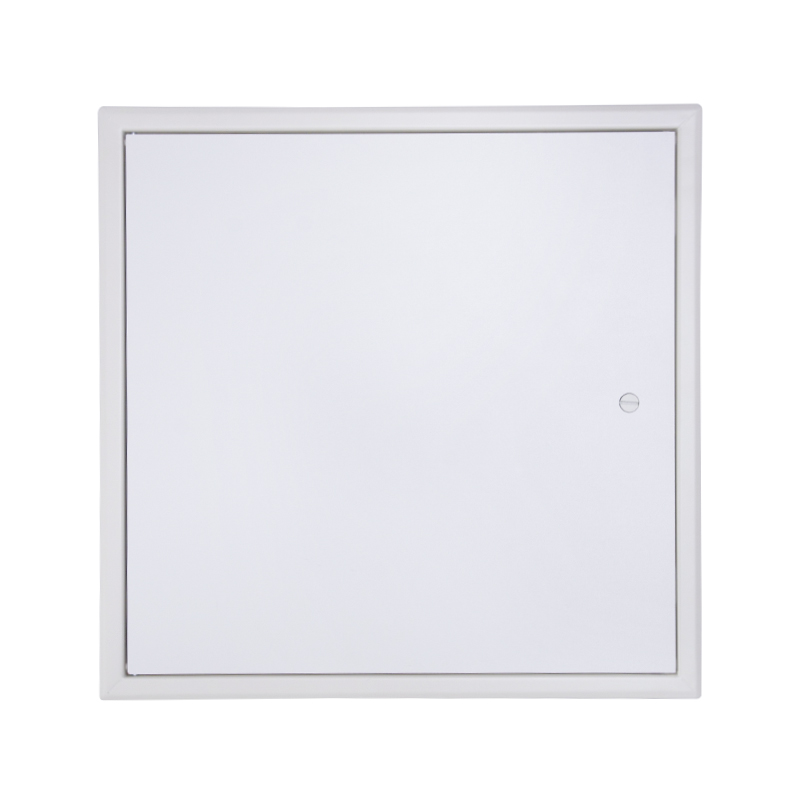
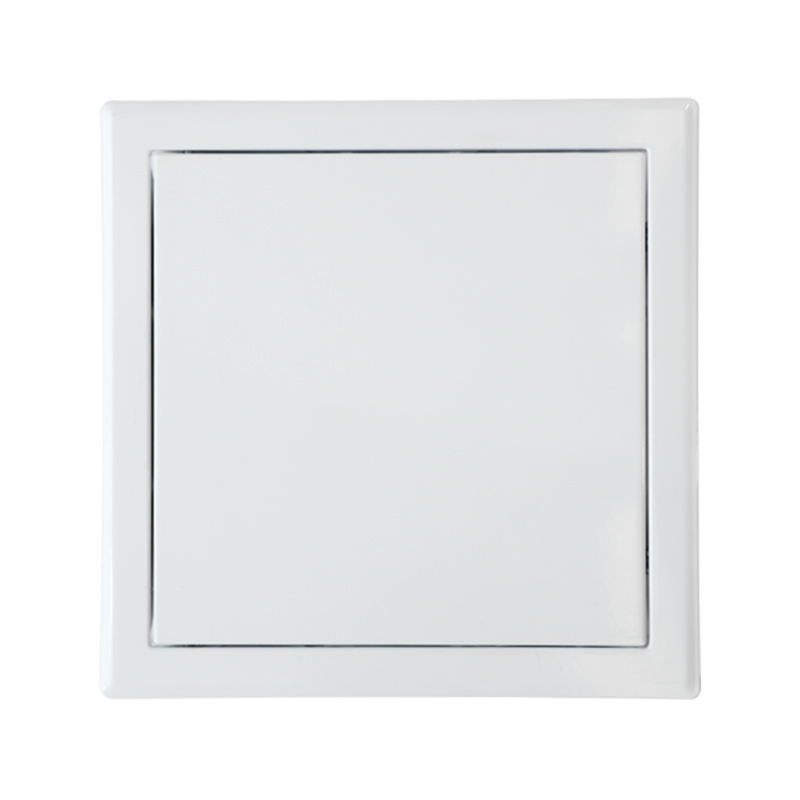
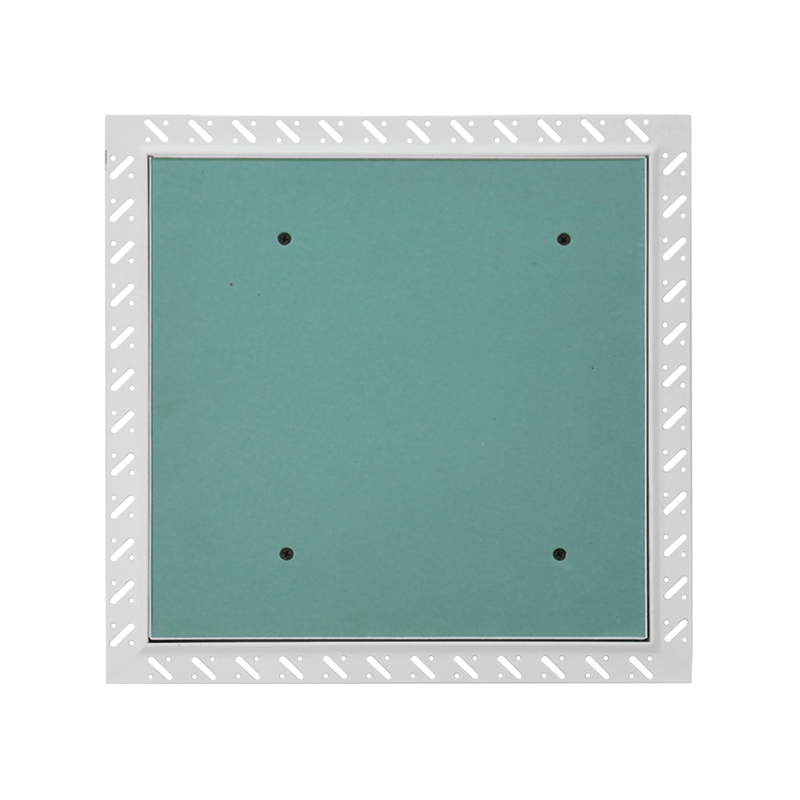
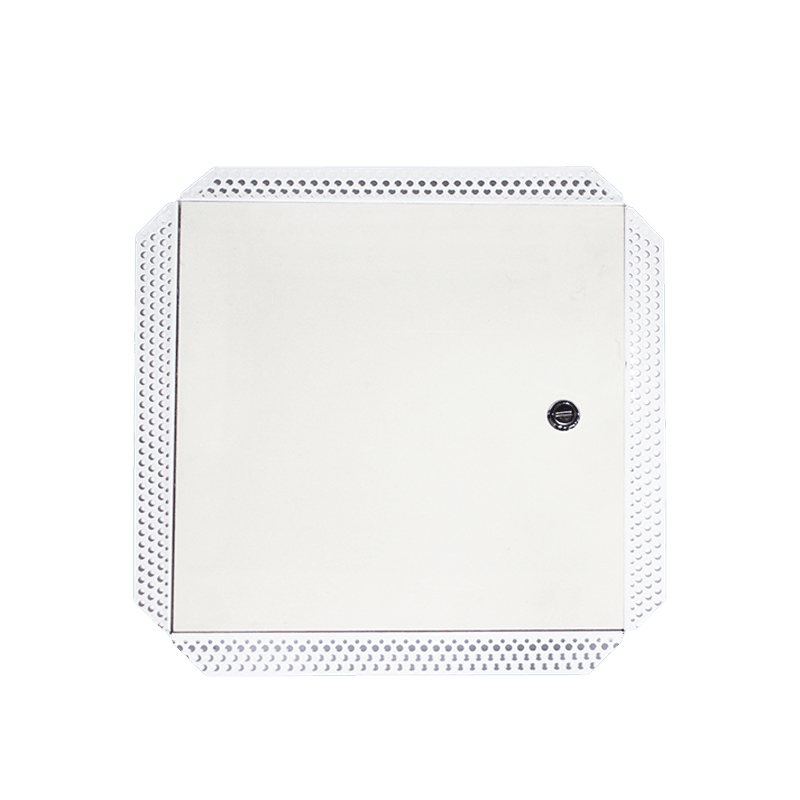
For drywall, you have two basic frame options. A mud-in (or paper-faced) panel has a bead or flange that allows taping and finishing the panel flush with the wall surface. An exposed-flange panel leaves a visible metal border around the opening. Large mud-in panels take more skill to install but give the cleanest result. Exposed-flange panels are faster and easier, especially when the wall will be painted simply or when the panel is in a mechanical room.
Steel, aluminum, and plastic are the three common frame materials. For large panels, we usually recommend steel when strength and resistance to racking are the priority. Cold-rolled or galvanized steel frames stay square during installation, and the leaf does not flex when someone pushes it open. Aluminum is lighter and corrosion-resistant, which can be useful in humid areas, but very large aluminum panels need a robust profile to remain stiff. Plastic panels are economical for light-duty use but are not ideal for large openings subject to frequent access.
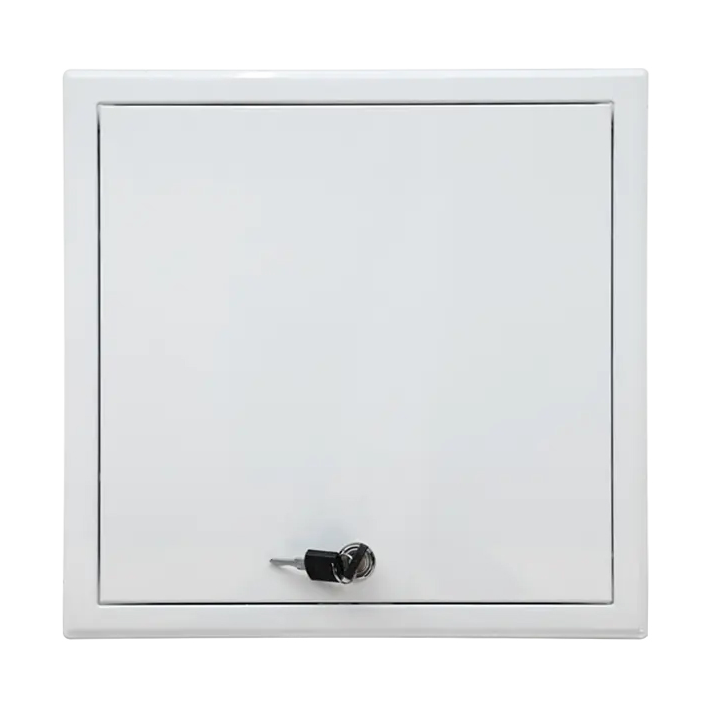
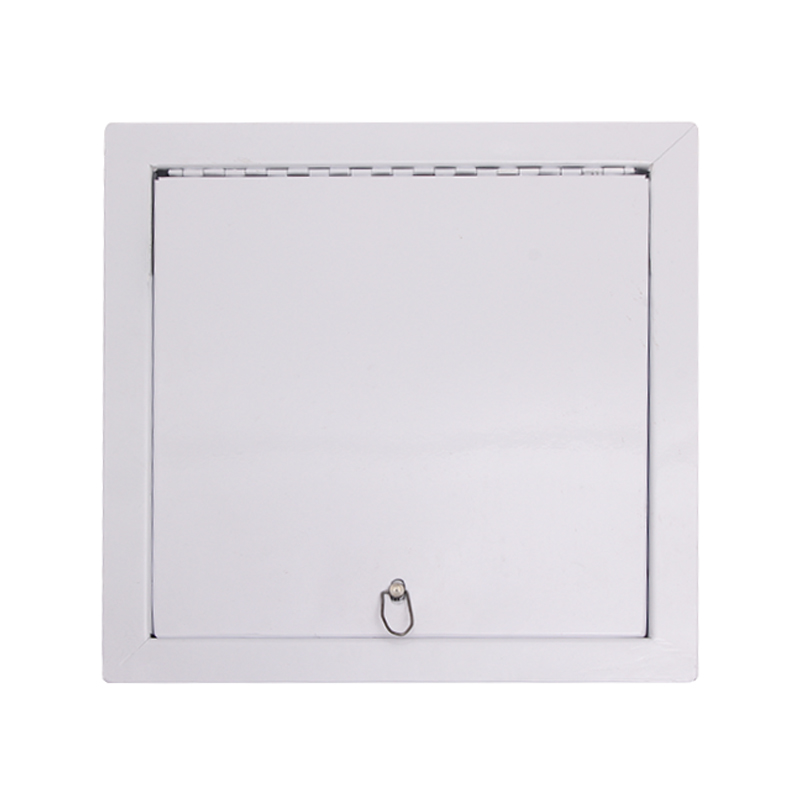 SS-AP110 Fire Rated Access Panel with Steel FrameThis fire-rated panel features a 1.5 mm galvanized steel frame with insulated fiberglass and a concealed snap lock. Its welded construction and powder coating suit wall or ceiling applications, making it a durable choice for projects needing fire protection and easy access.View Product →
The panel leaf itself can be plain steel, a steel-gypsum composite, or a plasterboard-filled version that accepts a painted or tiled finish. For drywall installations, a gypsum-filled steel panel is often the choice because it matches the wall texture and can be painted. We offer a range of materials and surface options, and our manufacturing team can adjust the design for your specific load requirements.
If the wall or ceiling is a rated assembly, the access panel must carry the same fire rating as the surrounding construction. Large openings are especially critical because a failure at the attachment point can compromise the whole wall. Look for a panel with a certified fire rating and a frame design that prevents heat transfer through the gap. Our drywall access panel types and sizing guide includes a useful checklist for fire-rated installations.
Large panels can be heavy, so the hinge and latch need to support the leaf without sagging. For ceiling access, be sure the panel and its frame can handle the weight of the door plus any insulation or fixture attached to it. If security is a concern, choose a lockable latch or a flush key lock. For larger commercial panels, cam locks with heavy-duty catches are common.
Installing a large access panel is not much harder than installing a small one, but the margin for error is smaller. The opening must be accurately framed, and the panel must be supported evenly so that it does not bind.
On walls, the panel is usually set between studs; with wide panels, you may need to cut one or more studs and add a header or structural support. On ceilings, the panel is fitted into a drywall ceiling or suspended ceiling. A large ceiling access panel must be tied to the structure above, not just to the ceiling tile or drywall. Always confirm the rough opening dimension with the frame before cutting.
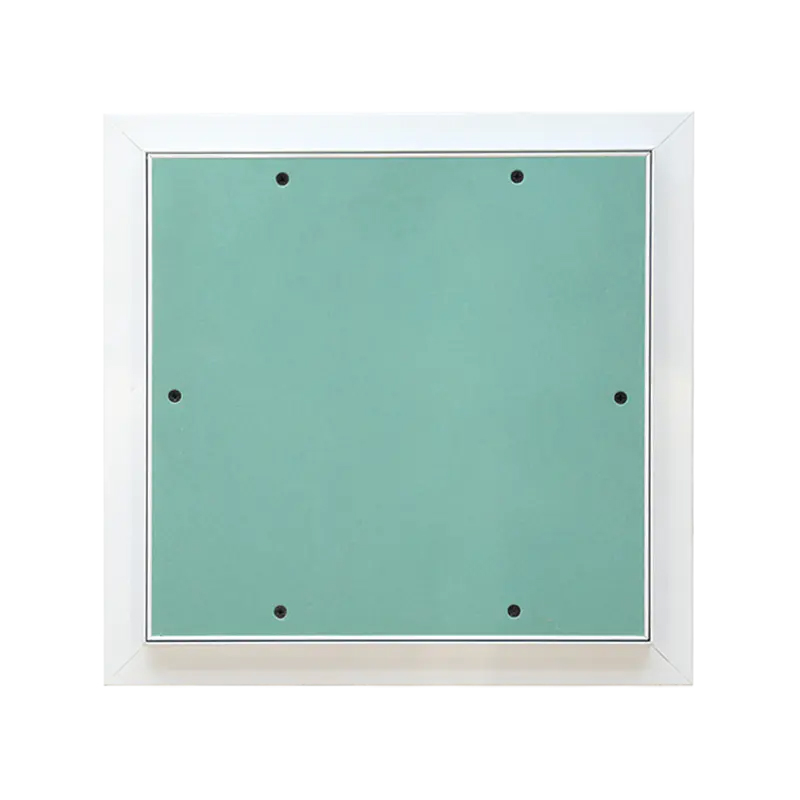 SA-AP330 Ceiling Access Panel with Aluminum FrameDesigned for ceiling installations, this push-open panel uses a strong aluminum profile and removable door with safety features. Optional moisture-resistant gypsum inlays allow matching surrounding drywall, which is essential for large openings in ceilings that need structural support.View Product →
Because large panels create a weak point in the wall or ceiling, the surrounding framing should be reinforced. Use wood or metal framing that is at least as strong as the panel frame, and shim as needed to keep the panel perfectly square. After installation, the gap between the panel frame and the drywall should be covered either by the mud-in flange or by a trim bead.
For mud-in installations, apply joint tape and compound over the flange in several thin coats. Allow each coat to dry before sanding. For exposed-flange panels, install drywall neatly to the frame edge and use a bead of sealant if the panel is in a moist area. Large panels with gypsum-filled leaves can be painted to match the surrounding wall, making the access point nearly invisible.
Oversized access panels solve maintenance problems in many building types. In hospitals, they give engineers quick access to medical gas valves and isolation dampers. In hotels, they conceal plumbing shutoff valves in guest bathrooms and provide access to plant room equipment. In commercial offices, large panels allow replacement of air filters in duct systems without tearing down the ceiling.
For residential projects, a large panel is useful behind a kitchen sink wall to reach the main shutoff valve, or in a walk-in closet to access the HVAC unit. The key is to think about what the maintenance person will need to do, not just what looks neat on the drawing.
We have been manufacturing access panels since 2005 from our 30,000 m² facility in Zhejiang, China. Our production lines cover steel, aluminum, and plastic panels, and we support OEM and ODM projects with custom dimensions, finishes, locking mechanisms, and packaging. Every large panel that leaves our factory is checked for squareness, hinge alignment, and latch operation before packing.
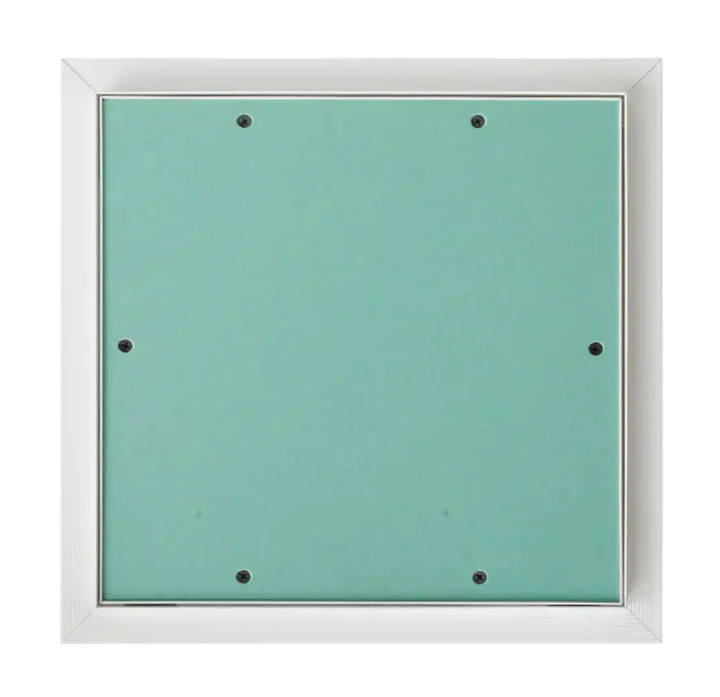
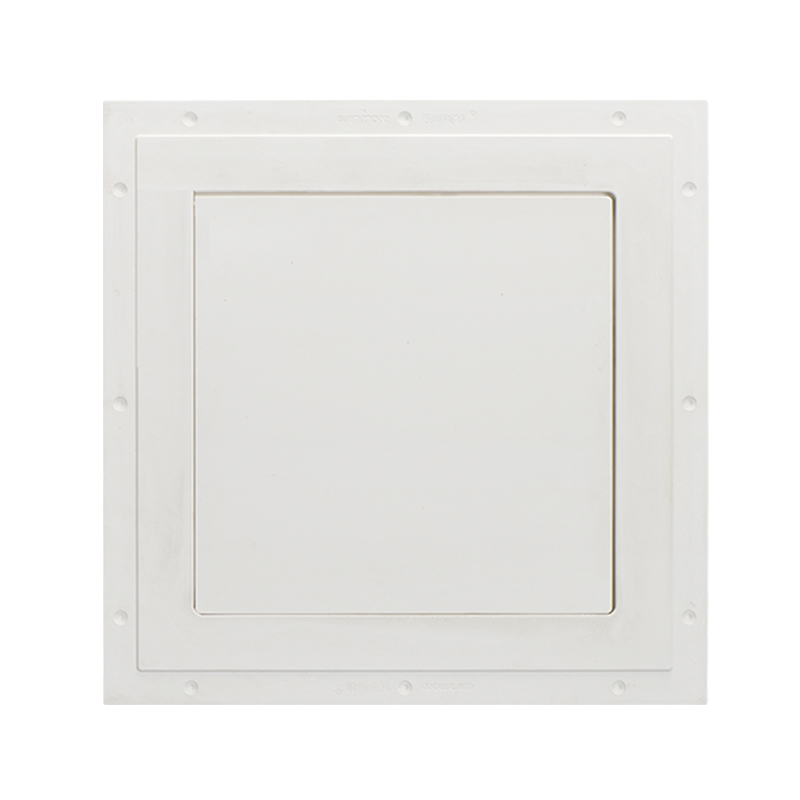 GYB-001 Gypsum Access Panel with Glass-Reinforced FiberThis panel is made from high-strength gypsum reinforced with glass fiber and an aluminum alloy base, offering a new environmentally friendly design for special projects. Standard sizes range from 200 to 600 mm, with custom dimensions available for tailored installations.View Product →
If you are sourcing for a project that requires large drywall access panels, send us your rough opening size and a sketch of the surrounding assembly. Our engineers will confirm the best frame profile and material for your loading and fire-rated requirements, and we can provide samples before you commit. With exports to over 90 countries, we know how to package large panels safely and to work with wholesale buyers on MOQ, inspection, and logistics.
Large access panels for drywall are simple components, but they affect the performance and appearance of a building for decades. Choosing the right size, material, frame style, and fire rating, and then installing the panel squarely, will save your maintenance team hundreds of hours over the life of the building. We hope this guide gives you a clear path forward — and if you need help with a specific opening, our team is ready to support you with technical advice and the right product.

Contact Us
SHUNSHI provides a range of technical support services to ensure that customers are able to properly select, install and maintain these products.
Products
Access Panels GuideContact
Tel: 86-15988108762
86-572-8298792
Fax: 86-572-8298792
E-mail: [email protected]
No.281 Mingzhu Main Road, Leidian Town, Deqing, Huzhou, Zhejiang, China, 313219

 English
 Español
 عربى
عربى