English
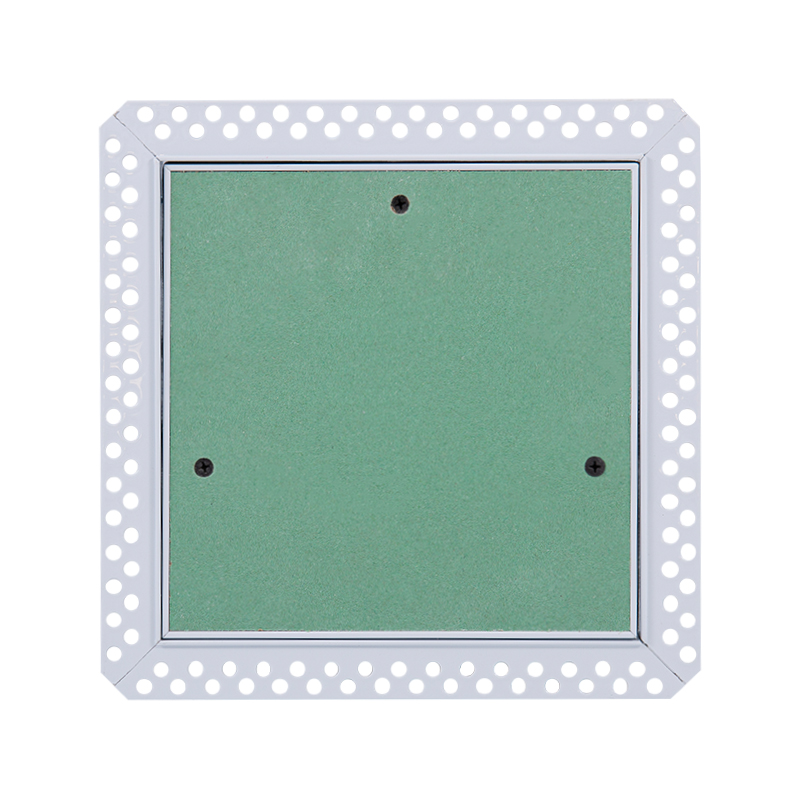
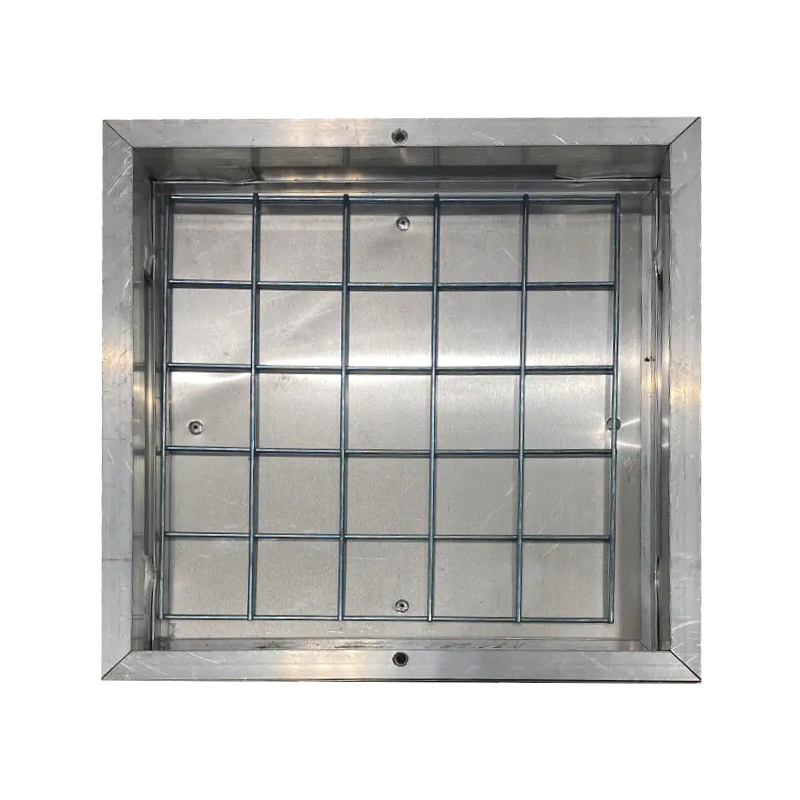
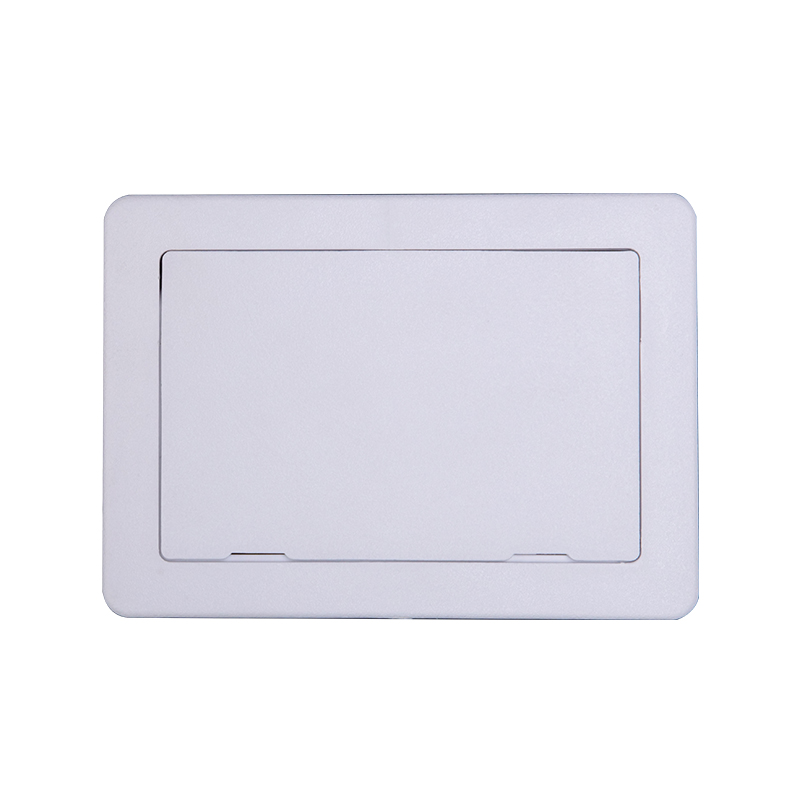
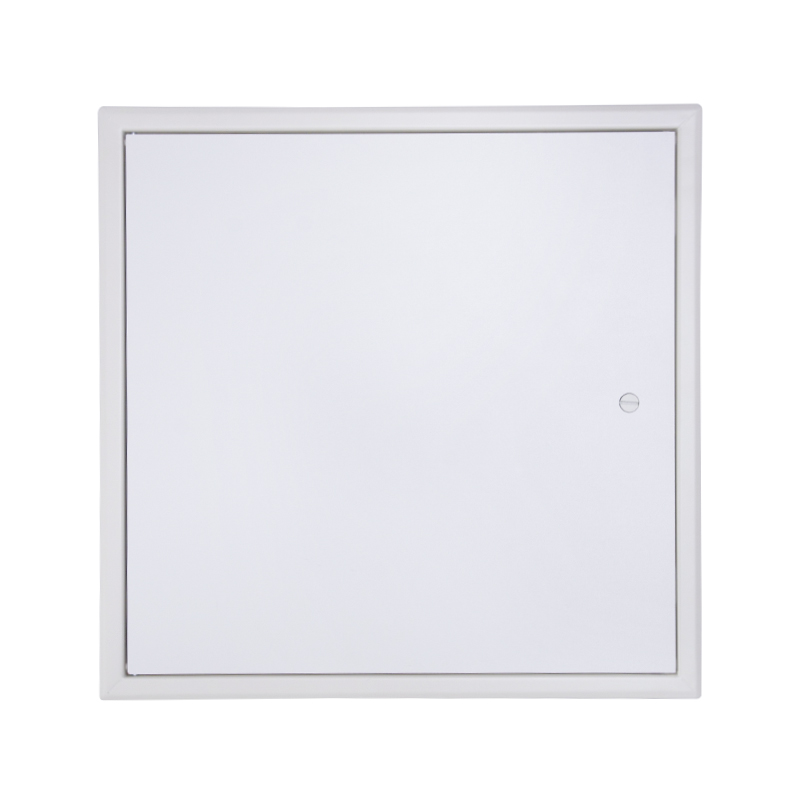
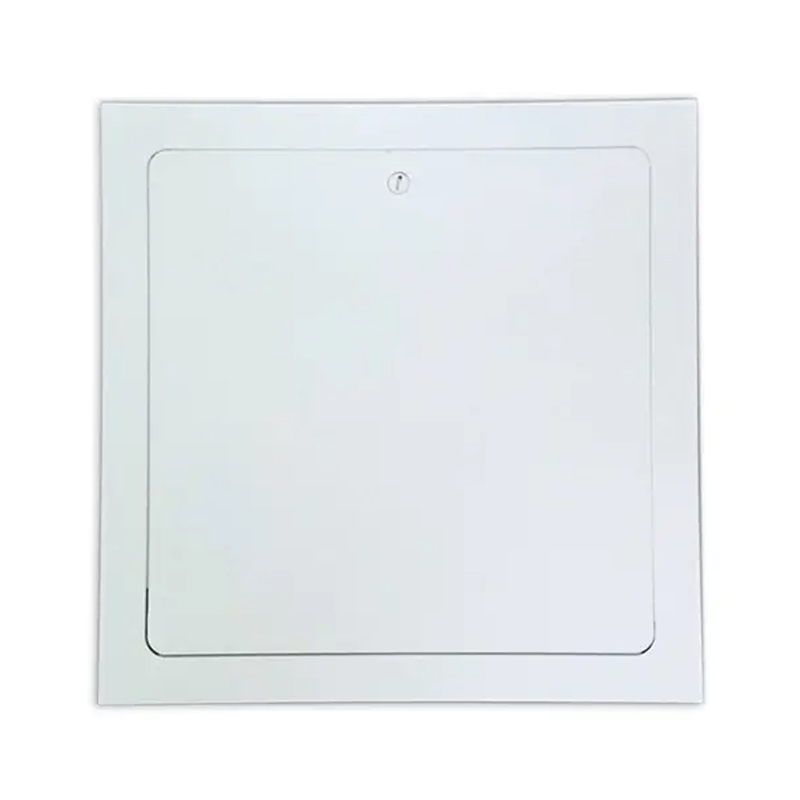
The Steel Duct Access Door represents a fundamental component in commercial and industrial HVAC infrastructure, providing essential entry points for inspection, cleaning, and maintenance operations within ductwork systems. These engineered access solutions eliminate the need for destructive entry methods—such as cutting sheet metal or dismantling duct sections—thereby preserving system integrity while reducing labor costs and downtime during routine service intervals.
Modern building codes and energy efficiency standards have elevated the functional requirements for access doors beyond simple entry mechanisms. Today's specifications demand thermal insulation continuity, air leakage control, fire resistance ratings, and corrosion protection that align with overall ductwork performance criteria. The selection of appropriate Steel Duct Access Door configurations directly impacts HVAC system efficiency, indoor air quality management, and long-term operational sustainability in commercial buildings, healthcare facilities, and industrial process environments.
The substrate material selection for Steel Duct Access Door fabrication determines long-term performance in varied environmental conditions. Standard cold-rolled steel offers structural integrity but requires protective coatings to prevent oxidation in humid ductwork environments. Hot-dip galvanized steel substrates provide superior corrosion resistance through zinc-iron alloy layers that protect the base metal through both barrier protection and sacrificial anode mechanisms.
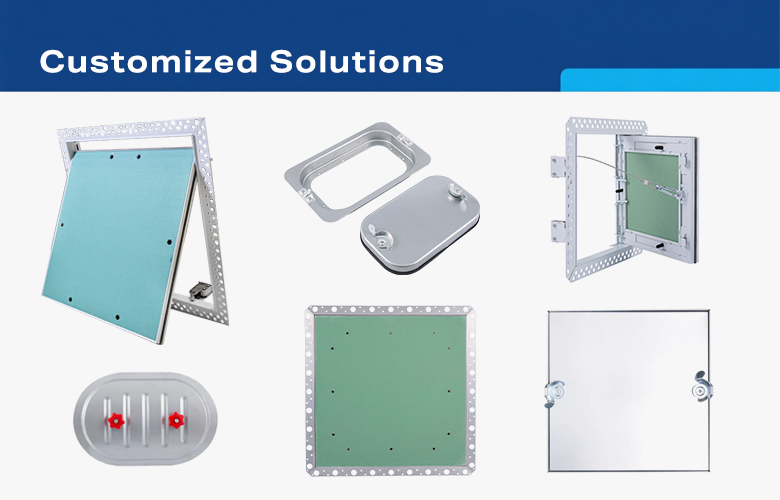
Galvanized coatings specified to ASTM A653 standards with G90 coating weights (0.90 ounces of zinc per square foot, total both sides) deliver extended service life in typical HVAC applications. For high-humidity environments or coastal installations with salt air exposure, G60 coatings may prove insufficient, necessitating upgraded G90 specifications or post-galvanizing protective treatments including chromate conversion coatings or epoxy barrier layers.
The integration of compression gaskets in Galvanized Steel Duct Access Door with Gasket designs addresses three critical performance parameters: air leakage prevention, thermal bridging reduction, and vibration dampening. Gasket materials must maintain elastic recovery across the operational temperature range while resisting degradation from HVAC system chemicals, ozone exposure, and ultraviolet radiation in illuminated duct sections.
Material selection for access door gaskets requires evaluation of temperature resistance, compression set characteristics, and chemical compatibility. Each elastomer offers distinct performance advantages for specific application environments.
| Property | EPDM (Ethylene Propylene Diene Monomer) | Neoprene (Polychloroprene) | Silicone (Polysiloxane) |
|---|---|---|---|
| Operating Temperature Range | -40°C to +120°C (-40°F to +248°F) | -35°C to +100°C (-31°F to +212°F) | -60°C to +230°C (-76°F to +446°F) |
| UV Resistance | Excellent | Good | Excellent |
| Ozone Resistance | Excellent | Good | Excellent |
| Compression Set (22h at 70°C) | 15-25% | 20-35% | 10-20% |
| Cost Index (Relative) | 1.0 (Baseline) | 1.3-1.5x | 2.0-3.0x |
| Typical Applications | General HVAC, outdoor units | Oil-resistant environments | High-temperature exhaust |
EPDM compounds dominate standard HVAC applications due to their balanced performance characteristics and cost efficiency. Neoprene formulations provide enhanced resistance to petroleum-based contaminants in industrial environments. Silicone gaskets serve specialized high-temperature exhaust applications where standard elastomers would undergo thermal degradation.
The production of Galvanized Steel Duct Access Door with Gasket assemblies requires precision forming operations to ensure consistent gasket compression. CNC punching equipment maintains ±0.5mm tolerances on door and frame interfaces, while automated gasket insertion systems ensure uniform adhesive application and positioning. Quality verification includes compression testing at specified closure torques and thermal cycling validation to confirm gasket retention across the product service life.
Insulated Double-Skin Duct Access Door configurations address thermal bridging concerns inherent in single-skin metal access panels. These assemblies utilize inner and outer steel skins separated by insulating core materials, maintaining thermal envelope continuity within ductwork systems. The thermal performance improvement proves particularly critical in conditioned air distribution systems where energy conservation mandates and condensation prevention drive specification requirements.
The thermal resistance (R-value) of insulated access doors typically ranges from R-1.5 to R-6.0 depending on core thickness and material density. For comparison, single-skin 22-gauge steel doors provide negligible thermal resistance (approximately R-0.003), effectively creating localized thermal bridges that compromise overall ductwork insulation performance.
Advanced Insulated Double-Skin Duct Access Door designs incorporate thermal break elements that separate inner and outer metal components at frame junctions. Without thermal breaks, conductive heat transfer through metal framing members undermines the insulating value of the core material. Polyamide or fiberglass-reinforced nylon thermal breaks reduce linear thermal transmittance (psi-values) by 85-95% compared to continuous metal construction.
Insulated Double-Skin Duct Access Door specifications become mandatory when ductwork conveys air below the ambient dew point temperature. In chilled water systems operating at 10-13°C supply temperatures, surface temperatures on uninsulated access doors frequently fall below the surrounding air dew point, resulting in condensation formation. This moisture accumulation promotes microbial growth, accelerates corrosion of surrounding ductwork, and creates slip hazards on adjacent surfaces.
Third-party certification of Fire-Rated Steel Duct Access Panel 1.5 Hour products provides verification of fire test performance and ongoing manufacturing quality surveillance. Underwriters Laboratories (UL) and Intertek (WH mark) represent the primary certification bodies for North American construction products, with equivalent European notified bodies including BSI, Exova, and Applus+.
| Certification Aspect | UL Listing (UL 263) | Intertek WH Listing (ASTM E119) |
|---|---|---|
| Test Standard Reference | UL 263 (equivalent to ASTM E119) | ASTM E119 (equivalent to UL 263) |
| Follow-Up Service Frequency | Quarterly facility inspections | Quarterly facility inspections |
| Marking Requirements | UL label with specific construction number | WH label with design number |
| International Recognition | Strong in North America, Middle East | Strong in North America, UK, Asia-Pacific |
| Engineering Judgments | Available for field modifications | Available for field modifications |
Both certification programs require identical fire test performance; selection between UL and Intertek typically depends on regional specification preferences or contractor familiarity. Critical specification requirement: Access doors must maintain the identical fire rating as the surrounding ductwork enclosure or shaft wall assembly.
Proper installation sequence for Steel Duct Access Door assemblies ensures air tightness and structural performance:
Standard Steel Duct Access Door dimensions follow modular sizing conventions that align with duct construction modules and personnel access requirements. Common stocked sizes include 8"×8", 10"×10", 12"×12", 14"×14", 16"×16", 18"×18", 20"×20", and 24"×24" (nominal frame outside dimensions). Custom dimensions are manufactured to project-specific requirements with typical maximum single-panel sizes of 48"×48" for hinged configurations.
Field observations of Rectangular Duct Access Door Installation Standards violations reveal recurring errors that compromise performance:
| Installation Error | Consequence | Prevention Method |
|---|---|---|
| Insufficient edge distance from duct corners | Frame distortion, air leakage | Maintain minimum 150mm from duct corners and seams |
| Oversized cut openings | Excessive sealant requirement, frame sagging | Fabricate template from frame dimensions; cut 3mm undersize and file to fit |
| Improper fastener selection | Frame loosening, gasket compression loss | Use manufacturer-specified self-drilling screws with sealing washers |
| Inadequate surface preparation | Sealant adhesion failure | Clean duct surface with degreasing solvent; apply primer if specified |
| Door orientation in vertical ducts | Accidental opening under gravity or vibration | Specify spring-loaded or quarter-turn latch mechanisms for vertical orientations |
High-pressure ductwork systems operating above 750 Pa (3 inches water gauge) static pressure require Airtight HVAC Duct Access Door with Cam Latches to prevent excessive air leakage that degrades system efficiency and creates acoustic disturbances. Cam latch mechanisms generate consistent mechanical advantage that ensures uniform gasket compression across the entire door perimeter, maintaining seal integrity under pressure cycling and thermal expansion conditions.
The cam action principle utilizes eccentric lever rotation to convert handle motion into perpendicular clamping force. This mechanical advantage (typically 5:1 to 8:1 lever ratio) generates sufficient compressive load on bulb-style gaskets to achieve air leakage rates below 1.0 cfm per square foot at 1.0 inch water gauge pressure differential, meeting SMACNA Leakage Class 24 requirements for high-pressure commercial systems.
Prestigious architectural projects demand Steel Duct Access Door solutions that combine functional performance with aesthetic integration. The Royal Office of Qatar installation required custom-finished access panels matching interior architectural metalwork, with concealed hinge mechanisms and touch-latch hardware eliminating visible hardware in formal spaces. The Burj Al Arab Hotel specification included marine-grade galvanized coatings and specialized gasket materials resistant to high-salinity air intake conditions in the coastal Dubai environment.
These high-visibility installations demonstrate the capability of specialized manufacturers to execute custom engineering for demanding aesthetic and environmental conditions. Zhejiang Shunshi's involvement in such projects reflects the company's capacity for precision manufacturing and quality assurance at the highest international standards.
Global export of Steel Duct Access Door products requires compliance with diverse national standards and certification schemes. Zhejiang Shunshi maintains product certifications including CE marking (EN 1366-1 fire resistance, EN 12237 ductwork airtightness), UKCA marking for post-Brexit British market access, and SASO certification for Saudi Arabian projects. The company's ISO9001:2015 quality management system certification ensures consistent manufacturing processes across production batches destined for varied regulatory environments.
Gasketed Steel Duct Access Door assemblies incorporate elastomeric seals that compress between the door and frame to prevent air leakage, making them suitable for conditioned air systems where energy conservation and pressure maintenance are critical. Non-gasketed doors rely on metal-to-metal contact and are generally limited to exhaust or non-conditioned applications where moderate air leakage is acceptable. For HVAC systems operating above 250 Pa pressure, gasketed construction is mandatory to meet SMACNA leakage standards.
Verify Fire-Rated Steel Duct Access Panel 1.5 Hour certification by requesting the manufacturer's certification listing number (UL or Intertek WH design number) and cross-referencing with the certification body's online directory. Confirm that the listing specifically covers the door size, mounting orientation, and maximum wall thickness of your application. Field-installed units must bear the certification label with visible listing marks; absence of labels indicates non-certified product that may not perform as required during fire events.
Yes, Insulated Double-Skin Duct Access Door configurations are suitable for both heating and cooling applications. The thermal barrier prevents heat loss in heating systems and condensation formation in cooling systems. However, verify that the specified insulation core material maintains thermal stability across the full operational temperature range—polyisocyanurate foams may degrade at sustained temperatures above 120°C (250°F) in high-temperature heating applications, where mineral wool cores would be preferred.
Standard Rectangular Duct Access Door Installation Standards require metal cutting tools (nibblers, shears, or plasma cutters), deburring tools, drill/drivers for fastener installation, torque-limiting screwdrivers for gasketed units, and sealant application equipment. For fire-rated installations, intumescent sealant and caulking guns are mandatory. Cam latch doors require no tools for operation, while screwdriver latch doors require appropriate drivers for opening and closing.
Zhejiang Shunshi maintains quality consistency through ISO9001:2015-certified quality management systems, statistical process control (SPC) monitoring of critical dimensions, and automated production equipment that eliminates operator variability. All Steel Duct Access Door products undergo 100% visual inspection and sampling-based dimensional verification. Material certifications are maintained for steel substrates, gasket elastomers, and insulation cores, with batch traceability enabling quality investigation if field issues arise. Regular third-party audits by certification bodies (UL, Intertek) verify ongoing compliance with fire-rated product manufacturing requirements.


Contact Us
SHUNSHI provides a range of technical support services to ensure that customers are able to properly select, install and maintain these products.
Contact
Tel: 86-15988108762
86-572-8298792
Fax: 86-572-8298792
E-mail: [email protected]
No.281 Mingzhu Main Road, Leidian Town, Deqing, Huzhou, Zhejiang, China, 313219

 English
 Español
 عربى
عربى