English
From municipal water infrastructure to high-end architectural projects, the aluminium chamber cover has become a critical component in modern construction and utilities management. Specifying the wrong cover — incorrect load class, incompatible frame, inadequate corrosion resistance — creates safety hazards, accelerates maintenance cycles, and generates costly remediation work. This engineering-level guide gives procurement managers, civil engineers, and wholesale buyers the technical foundation to specify, source, and install aluminium chamber covers with confidence across any project type or environment.
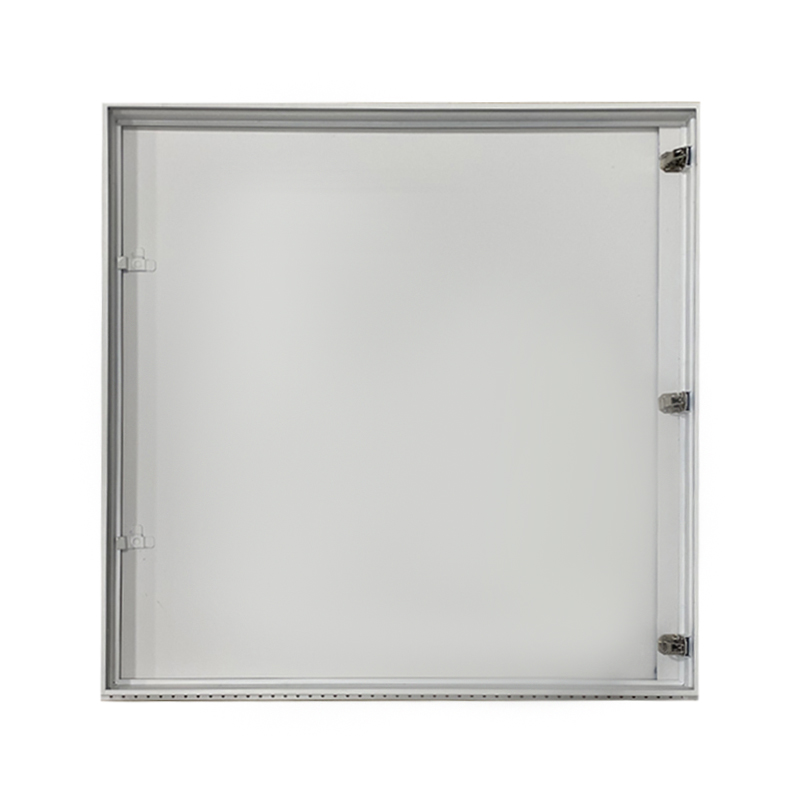
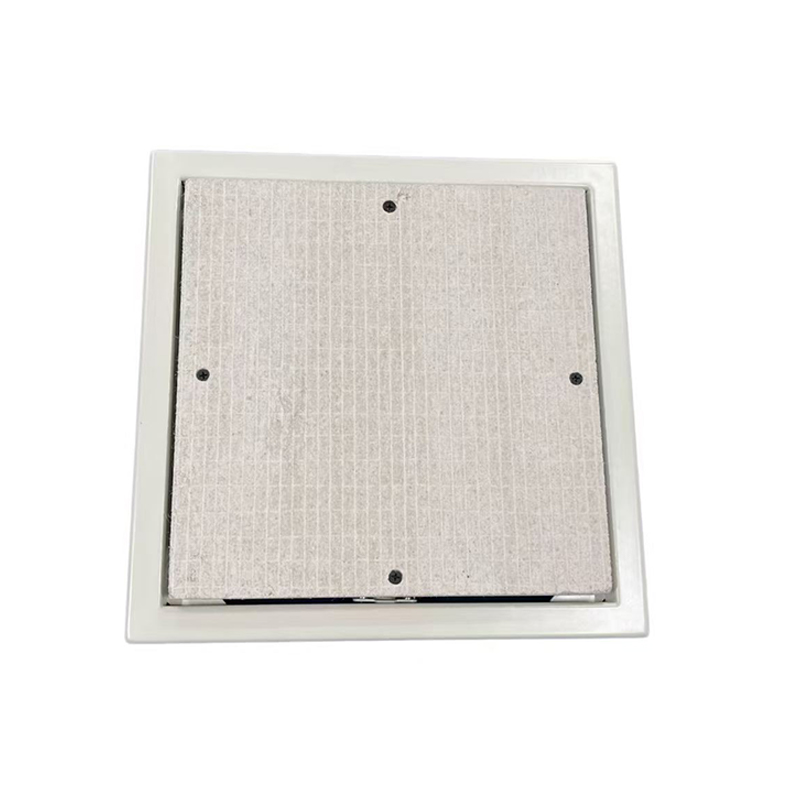
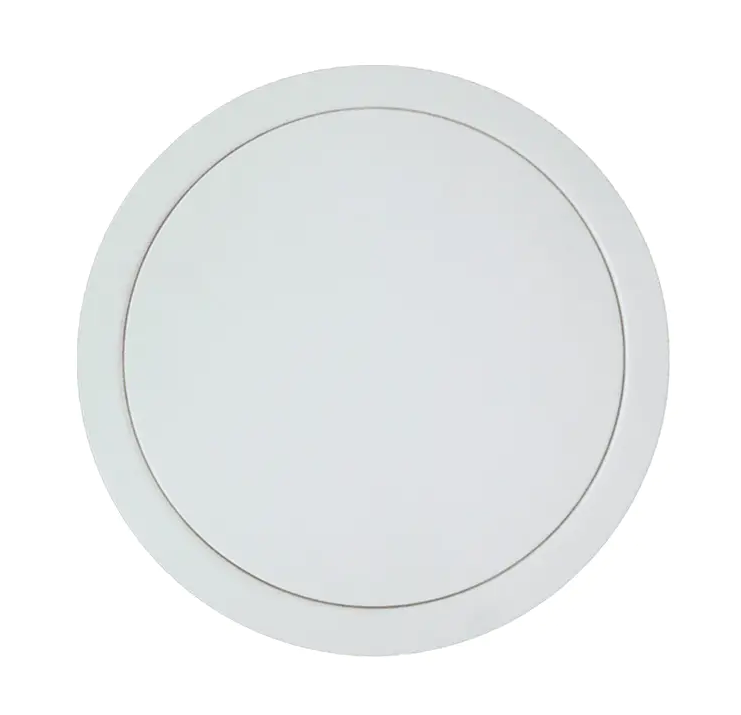
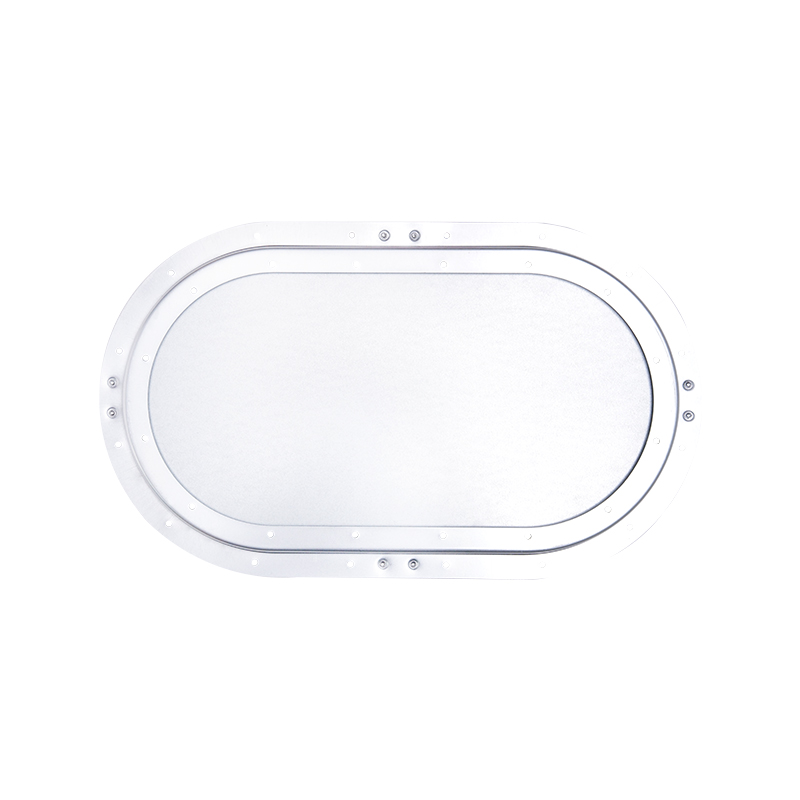
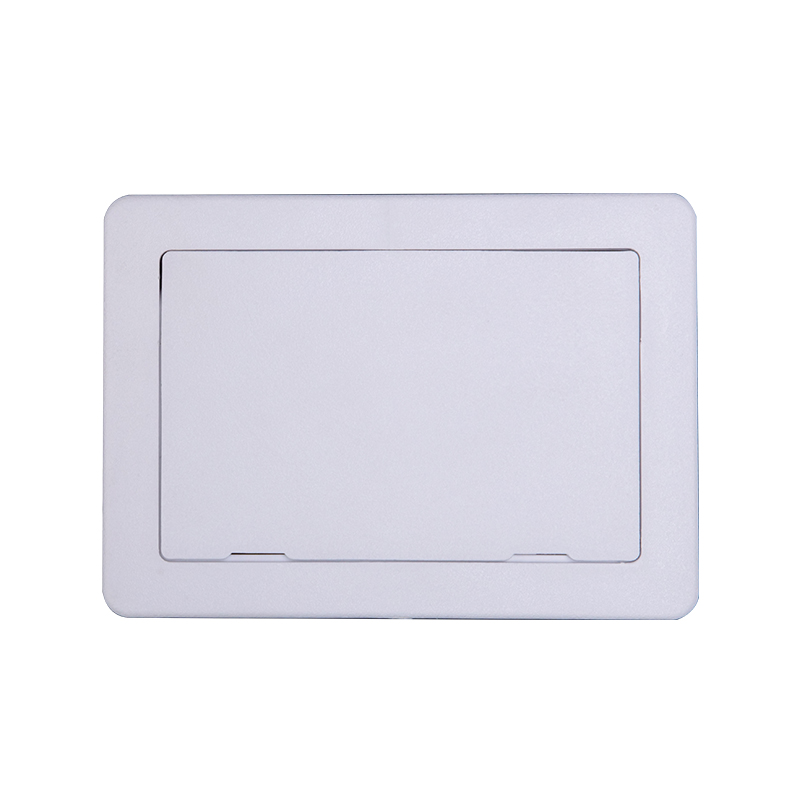
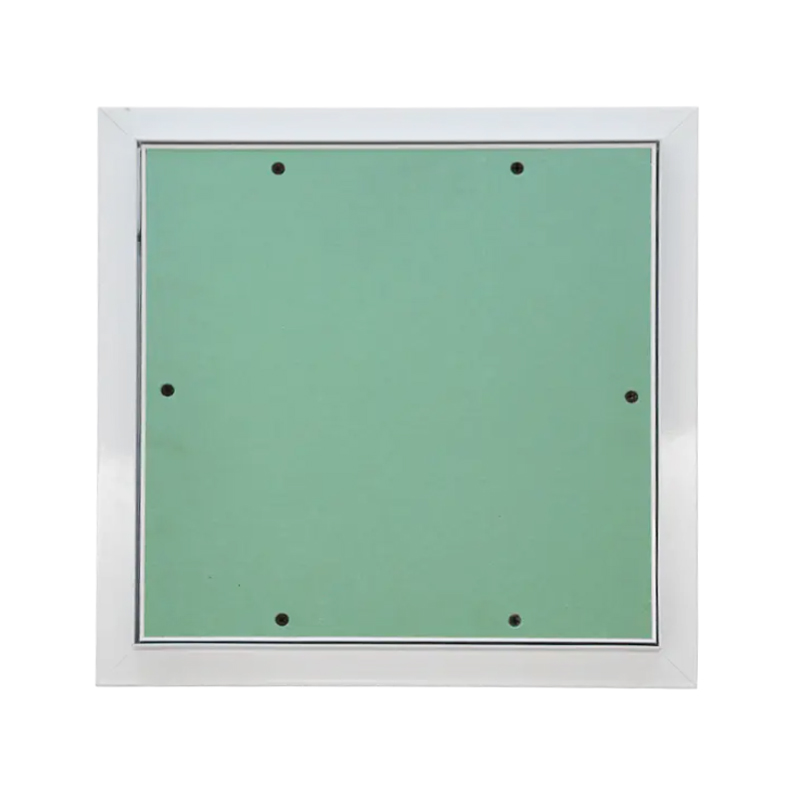
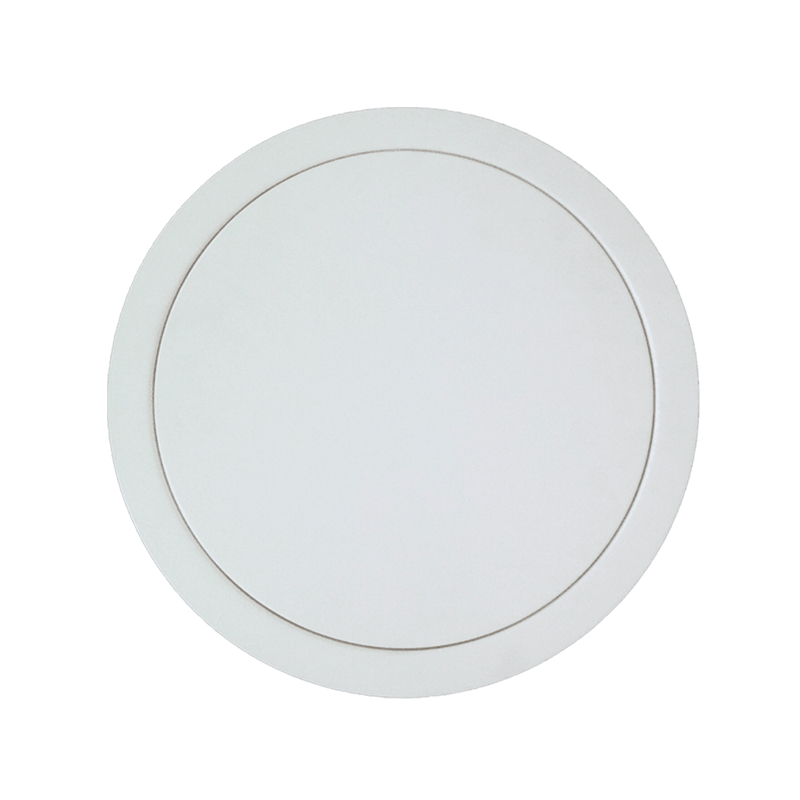
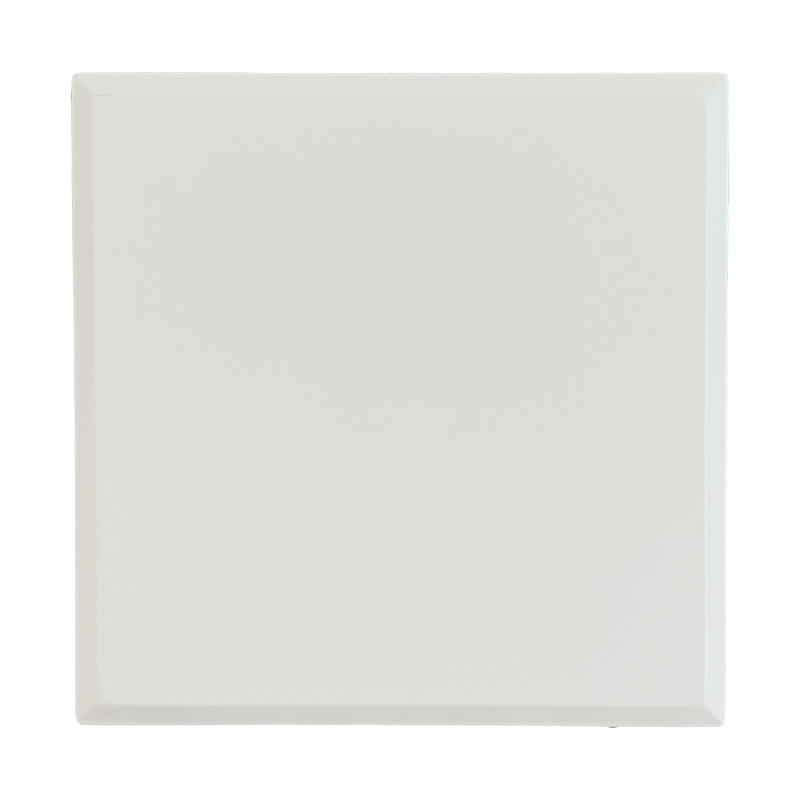
An aluminium chamber cover is a structural access lid designed to close off inspection chambers, utility pits, drainage sumps, meter boxes, and service vaults while providing safe, load-bearing pedestrian or vehicular access to the infrastructure below. Unlike decorative or light-duty panels, a properly specified aluminium chamber cover must simultaneously satisfy structural load requirements, corrosion resistance criteria, dimensional tolerances for frame compatibility, and — in many applications — security and anti-theft requirements.
The range of applications where aluminium chamber covers are specified includes:
The most fundamental specification decision for any chamber cover project is material selection. The lightweight aluminium chamber cover vs cast iron debate has been ongoing in civil engineering circles for decades, and the verdict is increasingly context-dependent. Aluminium offers decisive advantages in corrosion resistance, weight, and urban aesthetics; cast iron retains superiority in raw load capacity and cost at the heaviest-duty end of the spectrum.
Understanding the full engineering trade-off between these two materials is essential before finalizing any specification. The following table presents a structured comparison:
| Parameter | Aluminium Chamber Cover | Cast Iron Chamber Cover |
|---|---|---|
| Density | 2.70 g/cm³ | 7.15–7.35 g/cm³ |
| Weight (600mm × 600mm cover) | 8–14 kg typical | 28–45 kg typical |
| Corrosion Resistance | Excellent — natural oxide layer; anodizing available | Poor without coating; prone to rust in aggressive environments |
| Maximum Load Class (EN 124) | Up to D400 (400 kN) with engineered alloy | Up to F900 (900 kN) for heavy industrial use |
| Theft Risk | Lower scrap value — reduced theft incentive | High scrap value — significant theft problem globally |
| Installation Ease | Easy — single operative can handle most sizes | Requires mechanical assistance for larger covers |
| Dimensional Tolerance | Tight — precision die-cast or machined | Moderate — casting tolerances wider |
| Noise Under Traffic | Low with neoprene seal or double-seal frame | Higher — rocking and rattling common without maintenance |
| Service Life | 30–50 years in most environments | 25–40 years (corrosion-dependent) |
| Typical Unit Cost | Moderate to high | Low to moderate |
For applications in coastal environments, chemical plants, food processing facilities, urban streetscapes, and any location where manual handling is a health and safety concern, the lightweight aluminium chamber cover vs cast iron comparison consistently favors aluminium. Where F900 load class is mandatory (port container yards, airport aprons, heavy rail crossings), ductile iron remains the specified material.
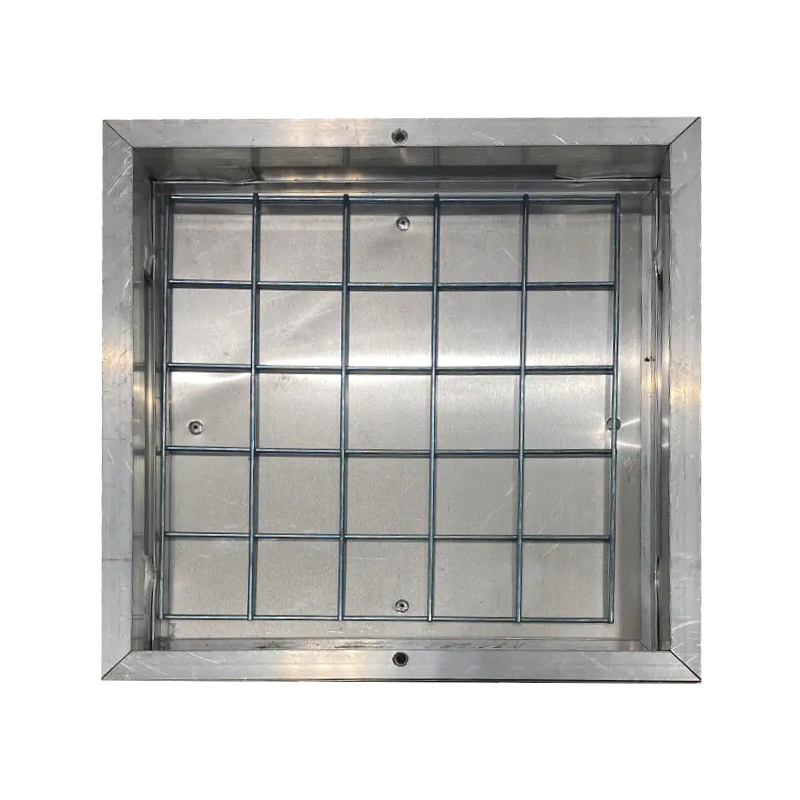
The aluminium chamber cover load rating B125 is one of the most widely specified load classes in the EN 124 standard series, and understanding exactly what B125 means in engineering terms is essential for correct application.
Under EN 124:2015 (the primary European standard for gully tops and manhole covers), the B125 load class designates a cover and frame assembly verified to withstand a minimum test load of 125 kilonewtons (approximately 12.7 metric tonnes) applied through a standardized test foot without structural failure or permanent deformation exceeding specified limits.
B125 covers are structurally appropriate for the following environments:
The aluminium chamber cover load rating B125 is explicitly not suitable for use in roads subject to regular bus or truck traffic, loading docks, or any area where vehicles exceeding 3.5 tonnes gross vehicle weight operate. Misapplication of B125 covers in higher load environments is a leading cause of premature cover failure and infrastructure damage.
EN 124 defines six load classes, each targeting a specific installation environment. Selecting the correct class is a non-negotiable engineering requirement — under-specification creates safety hazards; over-specification wastes budget without delivering additional benefit in service.
| Load Class | Test Load | Typical Installation Environment | Available in Aluminium |
|---|---|---|---|
| A15 | 15 kN (1.5 tonnes) | Pedestrian areas, green spaces, non-trafficked zones | Yes |
| B125 | 125 kN (12.7 tonnes) | Footpaths, car parks, light vehicle driveways | Yes |
| C250 | 250 kN (25.5 tonnes) | Verges, hard shoulders, slow-speed vehicle areas | Yes (engineered alloy) |
| D400 | 400 kN (40.7 tonnes) | Carriageways, roads open to all vehicles | Yes (heavy-section alloy) |
| E600 | 600 kN (61.2 tonnes) | Docks, airport aprons, high-load industrial areas | Limited — ductile iron preferred |
| F900 | 900 kN (91.7 tonnes) | Aircraft pavements, port container handling areas | Not typically available |
The aluminium inspection chamber cover and frame assembly comes in two primary sealing configurations — single seal and double seal — each with distinct engineering performance characteristics relevant to different installation environments.
A single-seal frame uses a single neoprene or EPDM gasket between the cover and the frame seat. This configuration is adequate for non-trafficked or lightly trafficked installations where water ingress is acceptable and noise is not a concern. Double-seal frames incorporate two concentric sealing elements, providing both watertight performance (typically rated to EN 1253 or equivalent) and noise suppression under dynamic traffic loading.
For any aluminium inspection chamber cover and frame installation in a trafficked road, double-seal construction should be considered the minimum acceptable specification. Single-seal frames in trafficked locations generate noise complaints, accelerate gasket wear, and allow ingress of road surface water that can destabilize the surrounding bedding material.
The aluminium chamber cover for water meter pit is a specialized application with dimensional requirements governed by the meter box manufacturer's pit opening, local utility authority standards, and the installation environment's load class requirement.
Key sizing parameters for specifying an aluminium chamber cover for water meter pit include:
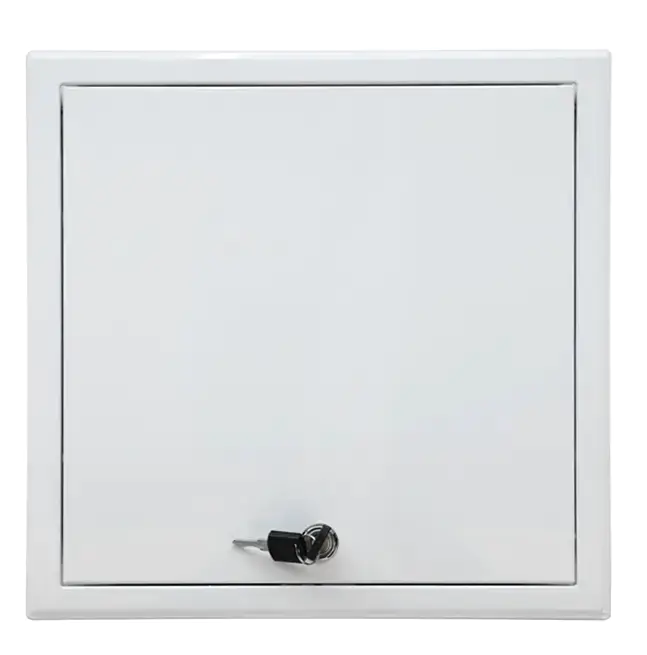
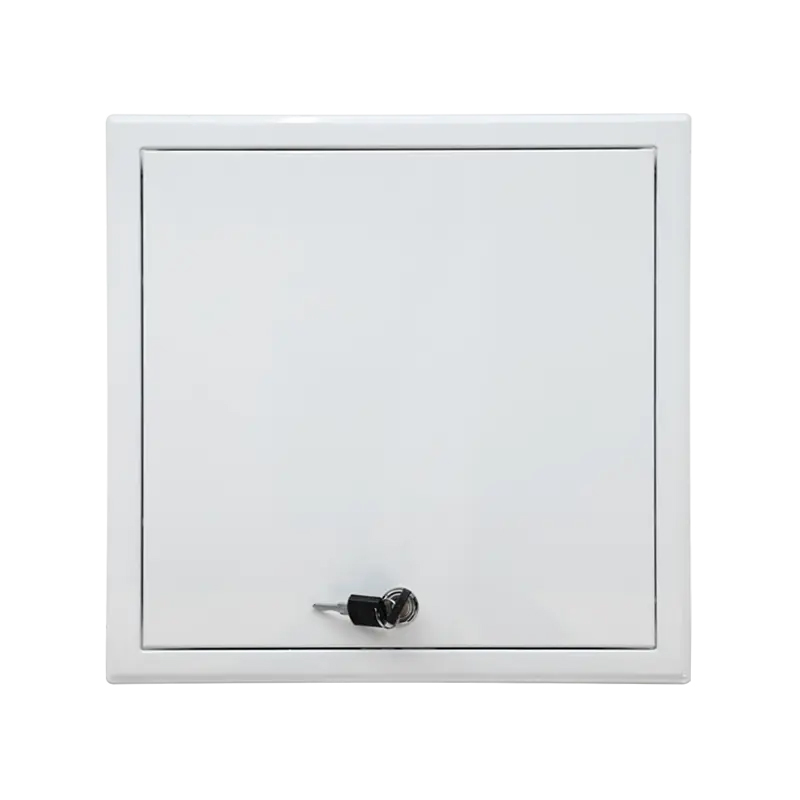
Cover theft from utility infrastructure represents a significant global safety and financial problem. While aluminium has a lower scrap metal value than cast iron — reducing opportunistic theft risk — the aluminium chamber cover anti-theft locking lid remains an important specification for high-security installations, remote locations, and applications where tampering creates public safety hazards.
Modern aluminium chamber cover anti-theft locking lid designs employ several engineering approaches to deter or prevent unauthorized removal:
The structural and surface performance of an aluminium chamber cover is fundamentally determined by alloy selection and surface treatment. The most commonly specified alloys for chamber covers are from the 6000-series (Al-Mg-Si), with 6061-T6 and 6063-T5 being the workhorses of the industry due to their combination of extrudability, weldability, and mechanical strength.
| Alloy | Yield Strength | Tensile Strength | Best For |
|---|---|---|---|
| 6061-T6 | 276 MPa | 310 MPa | Structural covers, D400 load class, high-stress applications |
| 6063-T5 | 145 MPa | 186 MPa | Extruded frames, A15–B125 covers, architectural applications |
| 5052-H32 | 193 MPa | 228 MPa | Marine and coastal environments — superior chloride resistance |
| 3003-H14 | 145 MPa | 150 MPa | Non-structural covers, lightweight access panels, low-load applications |
Surface treatment options each offer distinct performance profiles:
Slip resistance is a mandatory performance requirement for any aluminium chamber cover installed in a pedestrian or trafficked area. The relevant standard in most markets is EN 13036-4 (pendulum test) or DIN 51130 (ramp test for R-classification). Minimum acceptable slip resistance ratings are:
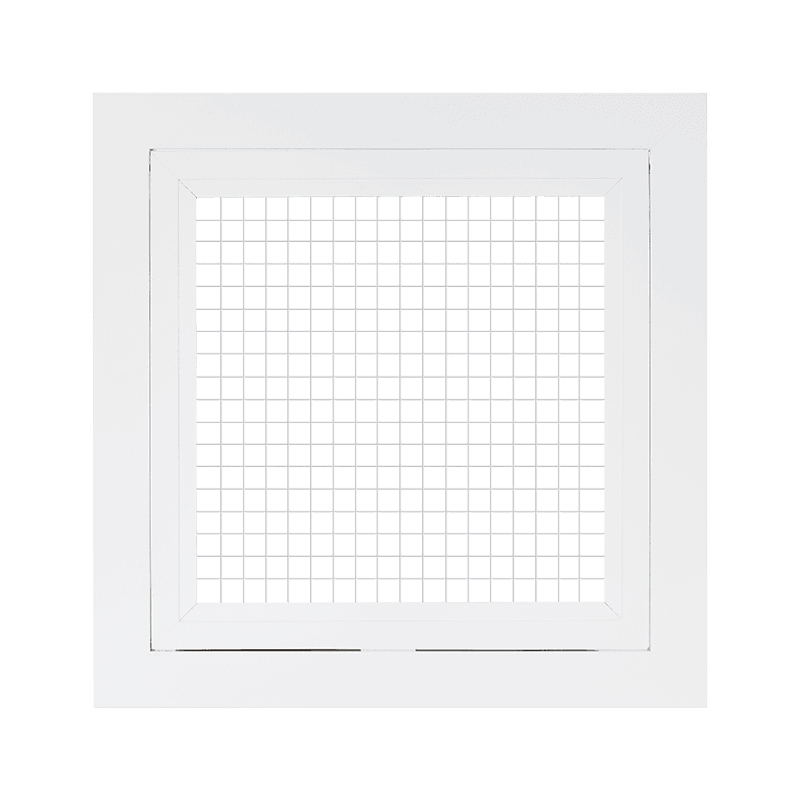
Common slip-resistance surface patterns applied to aluminium chamber covers include chequer plate (raised diamond), open mesh, serrated bar grating, and shot-blasted or grit-blast textured finishes. The choice of pattern also affects load distribution — open mesh covers redistribute point loads across the frame more efficiently than solid covers of equivalent material cross-section, enabling weight reduction without compromising structural performance.
Zhejiang Shunshi Intelligent Technology Co., Ltd., formerly known as Hangzhou Shunshi Hardware Machinery Co., Ltd., was founded in 2005 and is headquartered at 281 Mingzhu Avenue, Deqing County, Huzhou City, China. Over two decades, the company has grown from a regional hardware manufacturer into a globally recognized precision engineering enterprise, occupying a purpose-built production facility covering approximately 30,000 square meters.
Shunshi's manufacturing operations are certified under the ISO 9001 quality management system, underpinning a disciplined approach to process control, dimensional accuracy, and material traceability across all product lines. The company holds 16 patents covering product innovations in access panels, hardware components, and related precision-engineered products — a reflection of sustained investment in proprietary R&D capability.
As of 2025, Shunshi products have been exported to 91 countries, including Germany, France, Italy, Portugal, Sweden, India, Singapore, Saudi Arabia, the UAE, Australia, Argentina, and the United States. The company's products have been specified on landmark projects including the Royal Office of Qatar and the Burj Al Arab Hotel — references that demonstrate validated performance at the highest end of the global construction market.
The aluminium chamber cover load rating B125 is certified to withstand a test load of 125 kilonewtons (approximately 12.7 tonnes), making it suitable for pedestrian areas, car parks, and light vehicle driveways. A D400-rated cover is tested to 400 kilonewtons (approximately 40.7 tonnes) and is the minimum specification for installation in any road carriageway open to all vehicle types, including heavy goods vehicles. Using a B125 cover in a D400 environment risks catastrophic failure under traffic loading — always specify load class based on the maximum anticipated vehicle weight, not the typical vehicle weight.
In coastal and marine environments, the lightweight aluminium chamber cover vs cast iron comparison decisively favors aluminium. Cast iron corrodes rapidly in high-chloride environments — even painted or coated cast iron requires aggressive maintenance cycles in coastal zones. Aluminium, particularly 5052-series alloys or anodized 6061-T6, forms a stable passive oxide layer that resists chloride attack far more effectively. The weight advantage (aluminium is approximately 2.7× lighter than cast iron) also reduces installation costs and manual handling risks. For load classes up to D400, aluminium provides equivalent structural performance with superior longevity in marine and coastal applications.
The correct size for an aluminium chamber cover for water meter pit installation depends on three parameters: the clear opening required for meter access (minimum 200mm × 300mm for residential meters; 300mm × 450mm or larger for commercial meters), the overall frame dimensions needed to match the pit opening, and the finished surface flush requirement. Always obtain the pit internal dimensions from the meter box manufacturer's specification before ordering covers and frames — even minor dimensional mismatches prevent flush installation and compromise long-term performance. For installations in driveways or roads, confirm the load class requirement with the local utility authority before specifying.
An aluminium chamber cover anti-theft locking lid typically uses one of three mechanisms: recessed security bolts accessible only with a specialized non-standard key (such as a pentagonal or triangular socket); an interlocking hinge and internal retention pin system that prevents the cover from being fully removed without a secondary release tool; or a combination of both. The most effective anti-theft systems require two separate tools for cover removal, making opportunistic theft impractical. For the highest-security applications — pharmaceutical vaults, secure telecommunications chambers, or remote infrastructure — tamper-evident seals and permanent bonding systems are available.
An aluminium inspection chamber cover and frame assembly in standard service conditions requires annual visual inspection for surface damage, gasket integrity, and fastener condition; biannual lubrication of hinges and locking mechanisms; and mortar joint inspection every two years. The seal gasket (neoprene or EPDM) should be replaced every 10–15 years. Covers that have been subjected to impact loads above their rated class must be replaced immediately regardless of apparent condition, as internal structural damage cannot be assessed visually. With correct maintenance, a quality aluminium chamber cover should deliver 30–50 years of reliable service life.

Contact Us
SHUNSHI provides a range of technical support services to ensure that customers are able to properly select, install and maintain these products.
Products
Access Panels GuideContact
Tel: 86-15988108762
86-572-8298792
Fax: 86-572-8298792
E-mail: [email protected]
No.281 Mingzhu Main Road, Leidian Town, Deqing, Huzhou, Zhejiang, China, 313219

 English
 Español
 عربى
عربى