English
Every commercial HVAC project reaches a point where the design team must choose the vents that will be installed, serviced, and seen for years. For a hospital corridor, a hotel bathroom, or a factory plant room, the aluminum air vent affects airflow, noise, maintenance access, and the general finish of the space. The practical conclusion is simple: aluminum air vents are a strong default choice when you need corrosion resistance, low weight, and a clean appearance under normal building conditions.
Aluminum offers a balanced set of properties that make it suited for ventilation components. It does not rust like untreated steel, it is lighter than steel, and it holds its dimensions better than many plastics in moderate temperatures. In coastal environments or buildings with high humidity, treated aluminum resists corrosion far longer than basic galvanized steel that lacks a durable coating.
From a manufacturing perspective, aluminum is easy to cut, punch, and assemble. This allows tight tolerances and consistent blade angles, which are important for low noise and predictable airflow. The material also accepts a variety of finishes, such as clear anodizing or powder coating, so the vent can match interior design while still meeting mechanical requirements.
| Property | Aluminum | Steel | Plastic |
|---|---|---|---|
| Weight | Light | Heavy | Lightest |
| Corrosion resistance | Excellent when treated | Requires coating | Good but sensitive to UV |
| Thermal performance | Good | Good | Varies, can warp |
| Appearance | Clean, professional | Industrial unless finished | Basic, can fade |
| Relative cost | Moderate | Low to moderate | Low |
When the total lifecycle cost is considered, aluminum vents often win for commercial buildings because they require less surface maintenance and keep their shape. Steel can be cheaper upfront, but the cost of repainting and replacing rusted parts over time pushes the total expense higher. Plastic is lightweight and cheap, but it is rarely suitable for plant rooms or outdoor applications where impact, heat, and ultraviolet radiation are present.
The choice of aluminum air vent is not just about material; it is also about the specific airflow function and layout. Several common types cover most HVAC needs.
An egg-crate grille uses a grid of cells to provide a large free area with low pressure drop. It is often used for return air openings, decorative ceiling grilles, or as a removable cover in plant rooms. The open cells make cleaning easy, which is a key reason they appear in kitchens and health facilities.
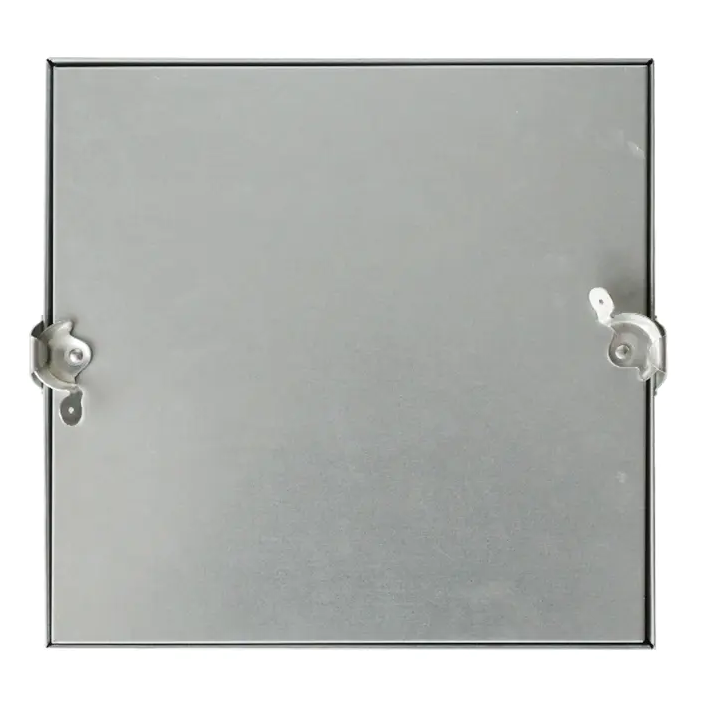
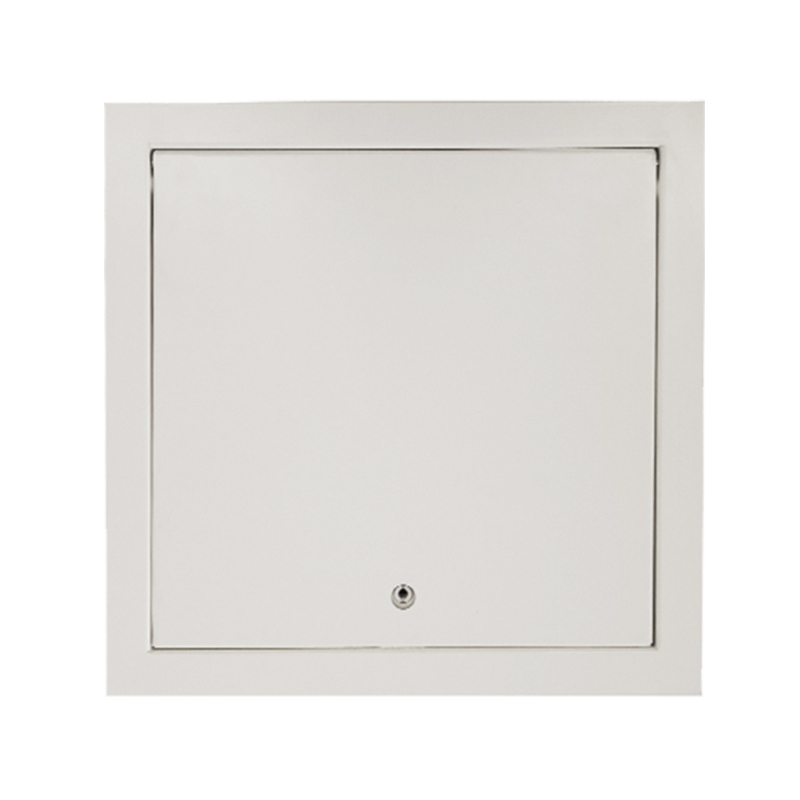
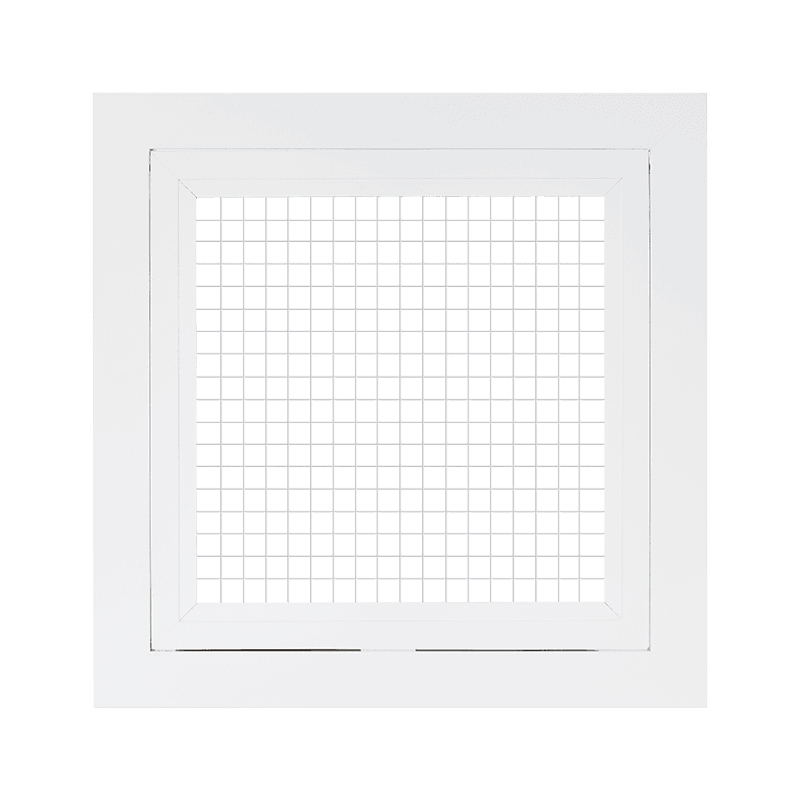 Egg-Crate Grille with Push Lock for Access PanelsThis aluminum grille offers secure access to ducts or ceilings via a spring-loaded push lock, with a 1.0mm frame and 0.5mm blades. Suitable for supply and exhaust applications, it comes in white powder coating and installs quickly.View Product →
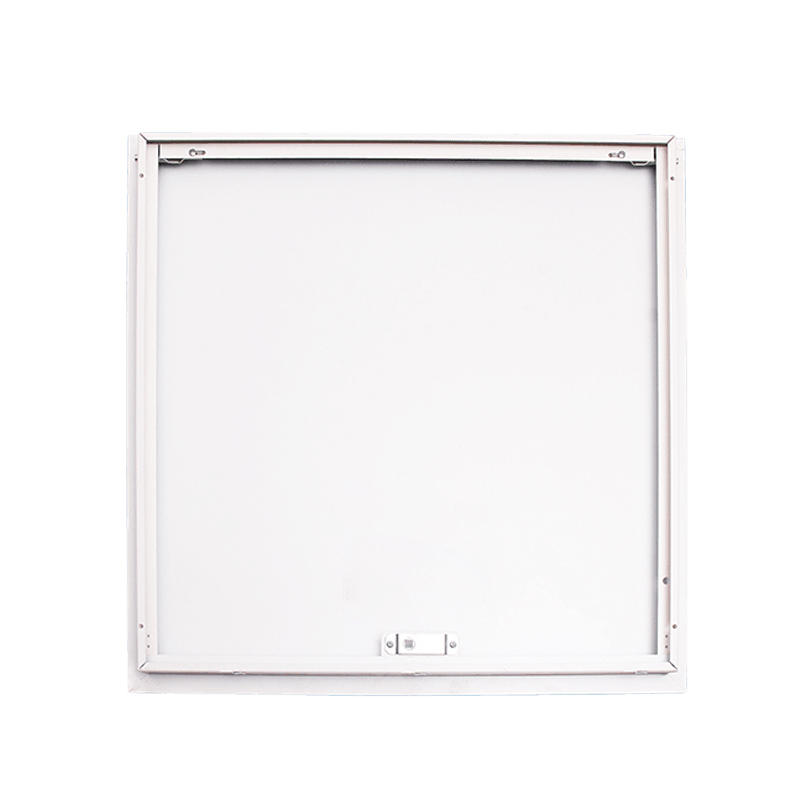
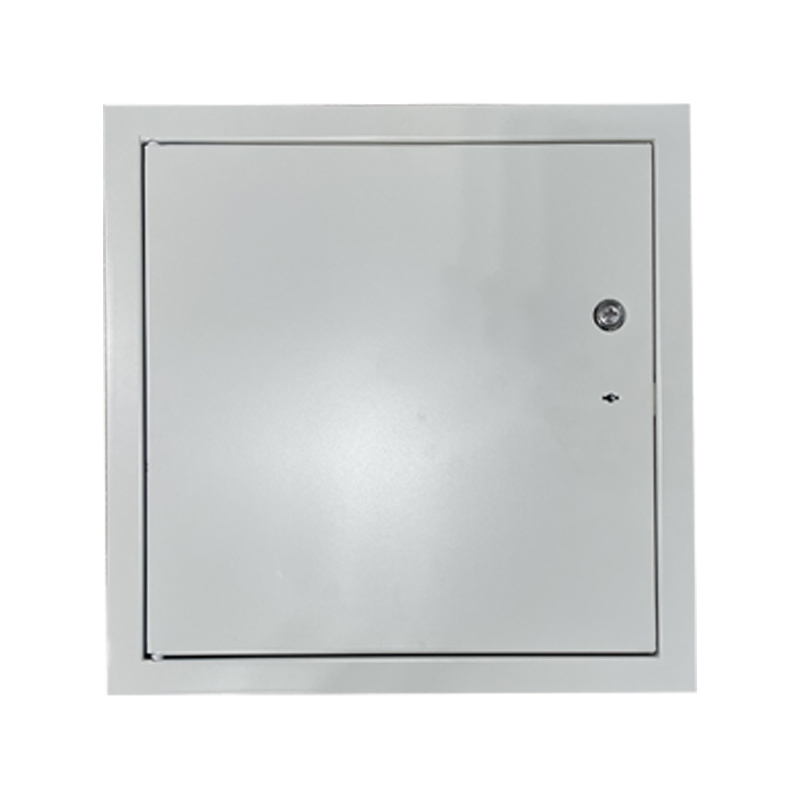
For applications where maintenance staff need to open the vent to inspect or clean the duct, an aluminum air vent with a push lock is a practical solution. The spring-loaded lock holds the door securely in normal operation but releases with a simple push, giving quick access without tools. This type is common in corridors, shaft walls, and ceiling spaces.
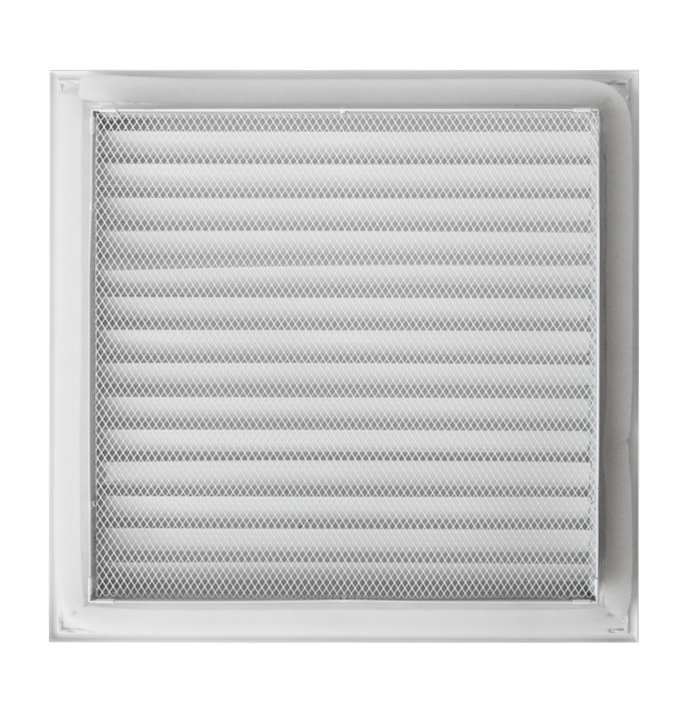
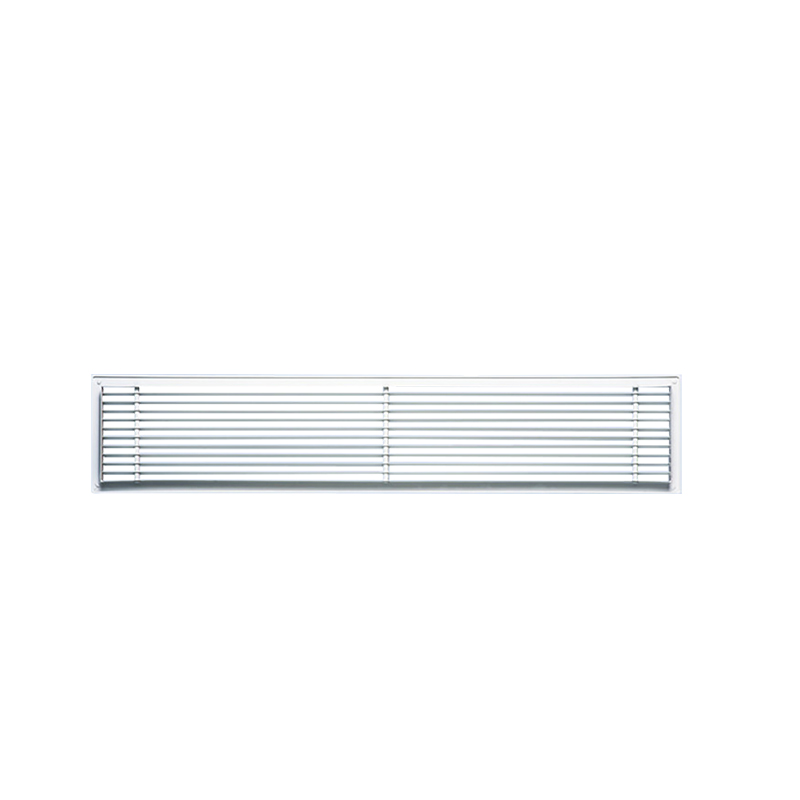
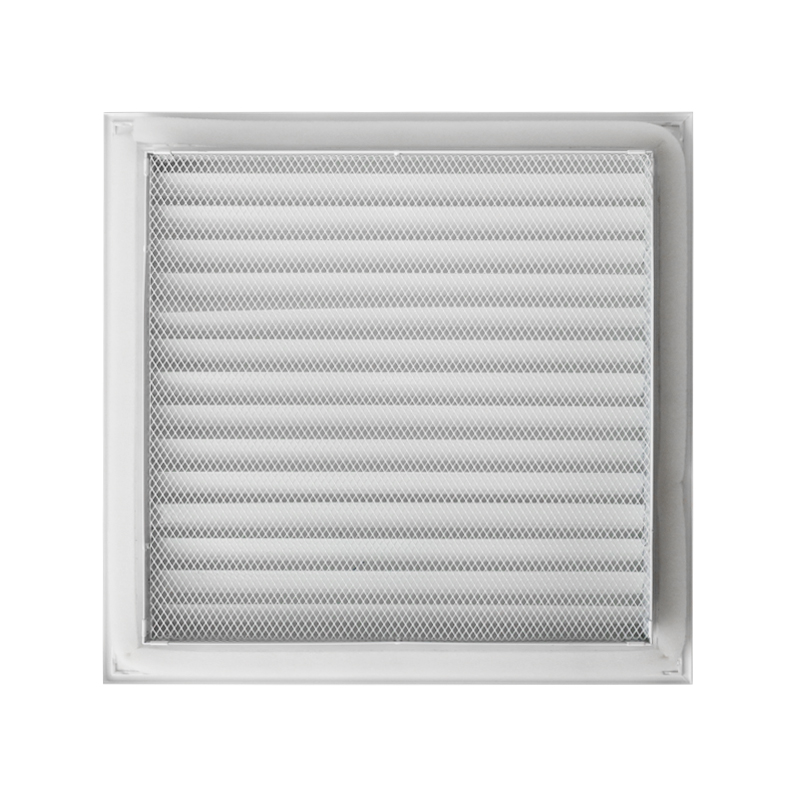 Louvered Aluminum Air Vent with Insect ScreenDesigned for window frames or partitions, this vent features a slim frame and louvered core, with a steel mesh to block insects. Available in standard sizes from 150mm to 450mm, finished in white powder coating for easy installation.View Product →
Liner grilles are designed for installation into window frames or double-wall partitions where a clean, recessed finish is required. They combine a slim outer frame with a louvered core, making them popular in hotel bathrooms and high-end offices, where visual quality matters as much as airflow.
Square diffusers are the standard choice for supply air in commercial buildings. They use adjustable vanes to direct airflow into the room, allowing the designer to control throwing distance and air distribution. The aluminum core resists corrosion and provides a durable surface that can be cleaned without damaging the louvers.
Correct sizing is the difference between a quiet, efficient system and a noisy one that causes drafts. The key metric is the free area, which is the open space through which air actually passes. A rough formula is free area (in square feet) equals airflow (in CFM) divided by the desired face velocity (in feet per minute). For supply outlets, a face velocity between 400 and 600 FPM is common in offices, while 300 to 400 FPM is used for return air to minimize noise.
Once the size is fixed, installation quality depends on the frame. The vent frame must sit flush against the wall or ceiling surface, with a proper seal gasket to prevent air leaks around the edges. For vents that open on hinges or locks, enough clearance must be left in front of the vent for the door to swing open. If the vent is behind a suspended ceiling, the access must still be unobstructed.
For more detailed guidance on access panel sizes, fire ratings, and duct access in mechanical rooms, see our HVAC access panel specification guide.
Wholesale buyers and project managers should evaluate a supplier beyond the listed price. The following points directly affect the long-term performance of aluminum air vents.
If your project involves custom sizes, branding, or private-label manufacturing, it is essential to understand the supplier's OEM process. Reviewing the OEM access panel manufacturing process can help you set expectations for samples, tolerances, and packaging before committing to a large order.
Different projects place different demands on an aluminum air vent. In a hospital ward, the vent must be easy to clean and resistant to frequent disinfecting. In a hotel guestroom, the appearance of the grille is part of the design. In a manufacturing plant, the vent may need to handle high temperature or chemical exposure. In all these cases, aluminum gives you one consistent material that adapts through its finish, thickness, and louver design.
When you are ready to place an order, confirm the exact opening dimensions the site will provide, and ask for a sample of the border profile to check the finish and measure the free area. Make sure the supplier can deliver the correct locking option and the right surface treatment for your environment. With these checks in place, an aluminum air vent will deliver reliable airflow, easy maintenance, and a professional appearance throughout the life of the building.

Contact Us
SHUNSHI provides a range of technical support services to ensure that customers are able to properly select, install and maintain these products.
Products
Access Panels GuideContact
Tel: 86-15988108762
86-572-8298792
Fax: 86-572-8298792
E-mail: [email protected]
No.281 Mingzhu Main Road, Leidian Town, Deqing, Huzhou, Zhejiang, China, 313219

 English
 Español
 عربى
عربى