English
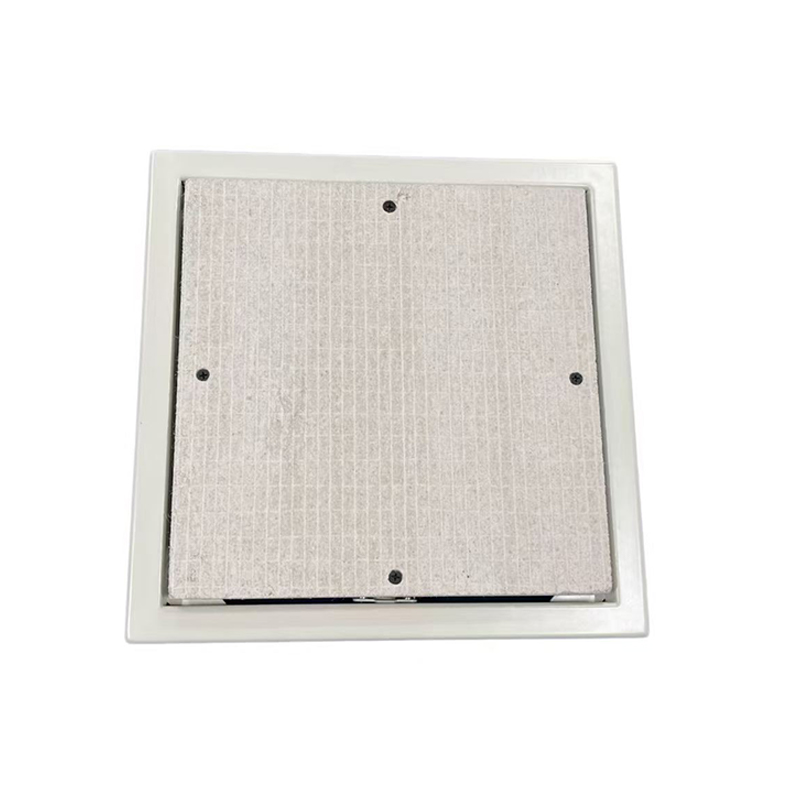
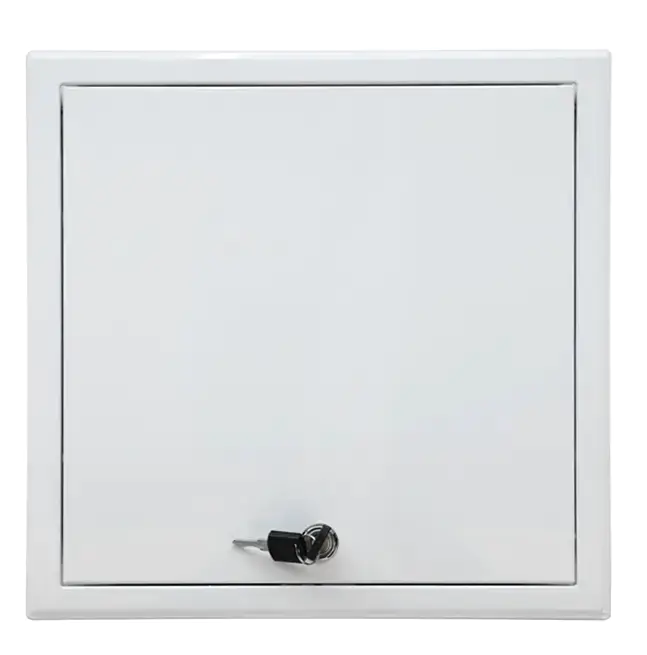
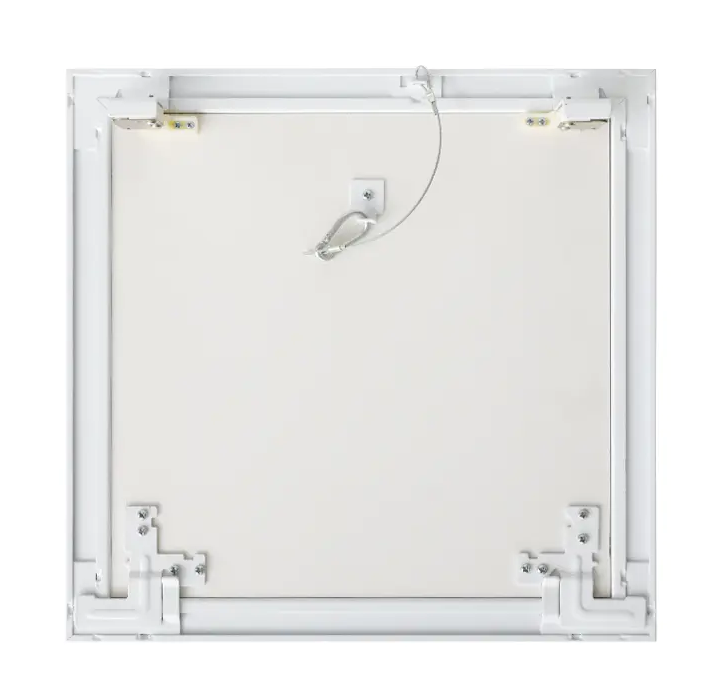
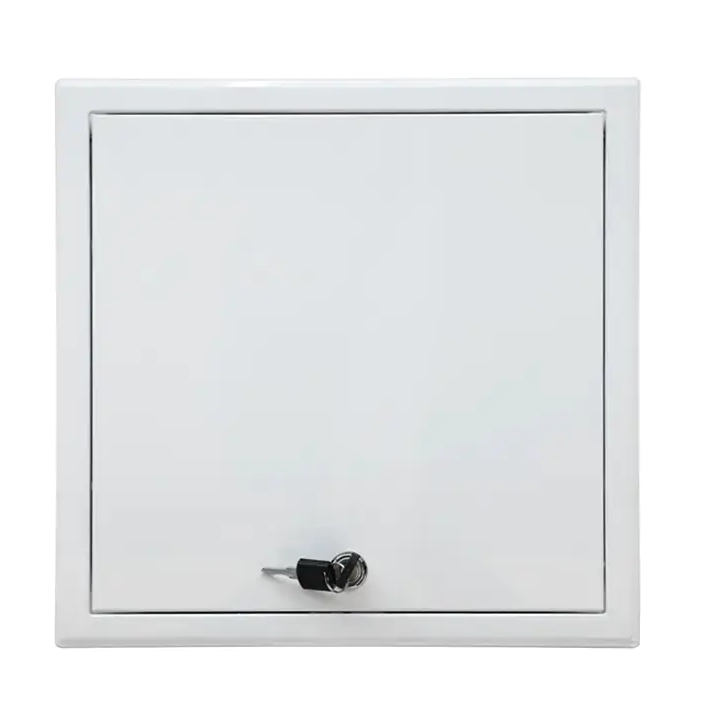
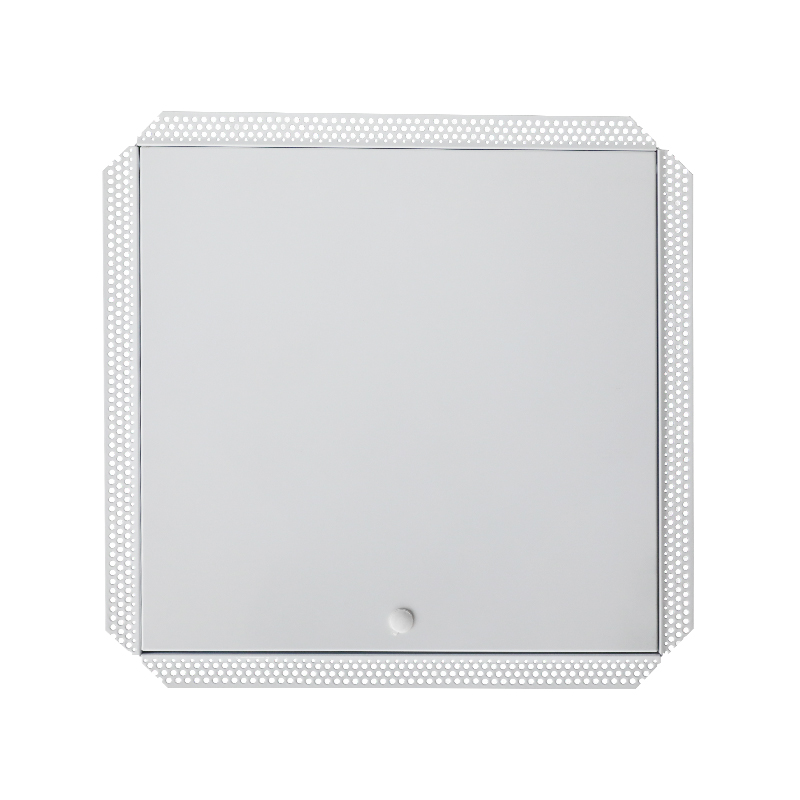
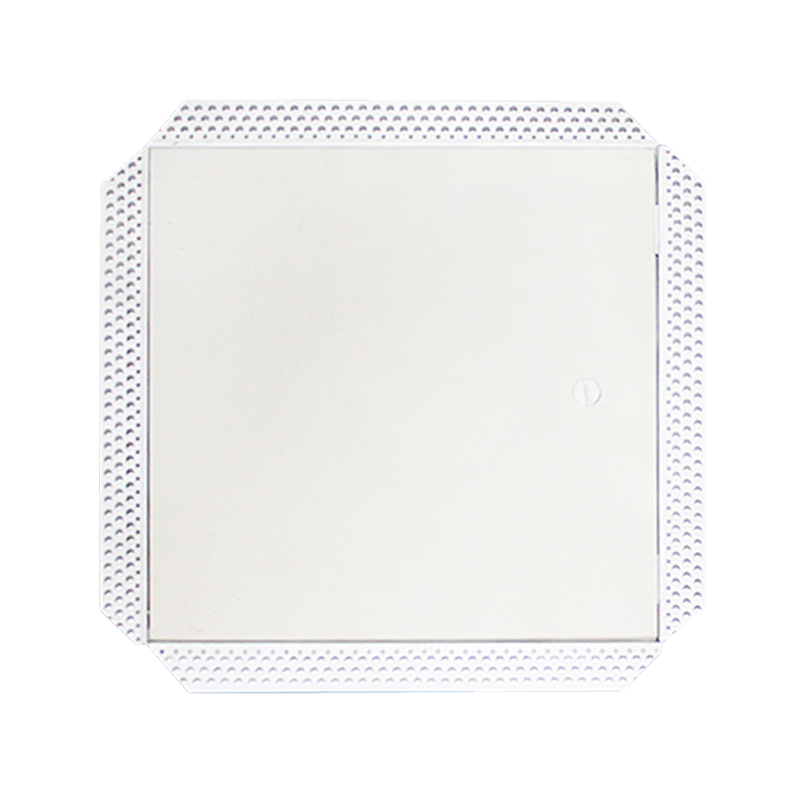
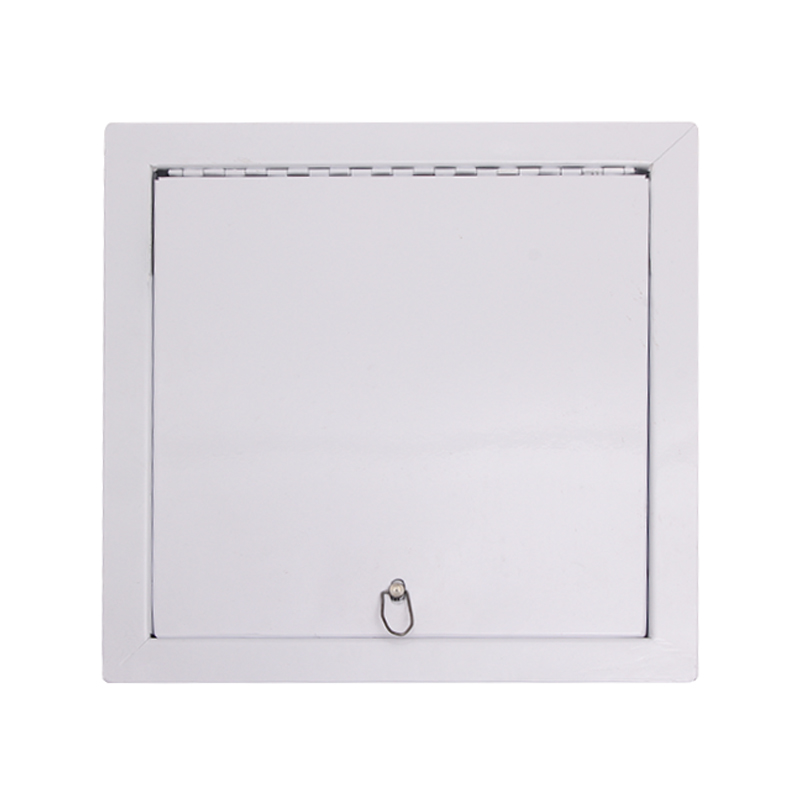
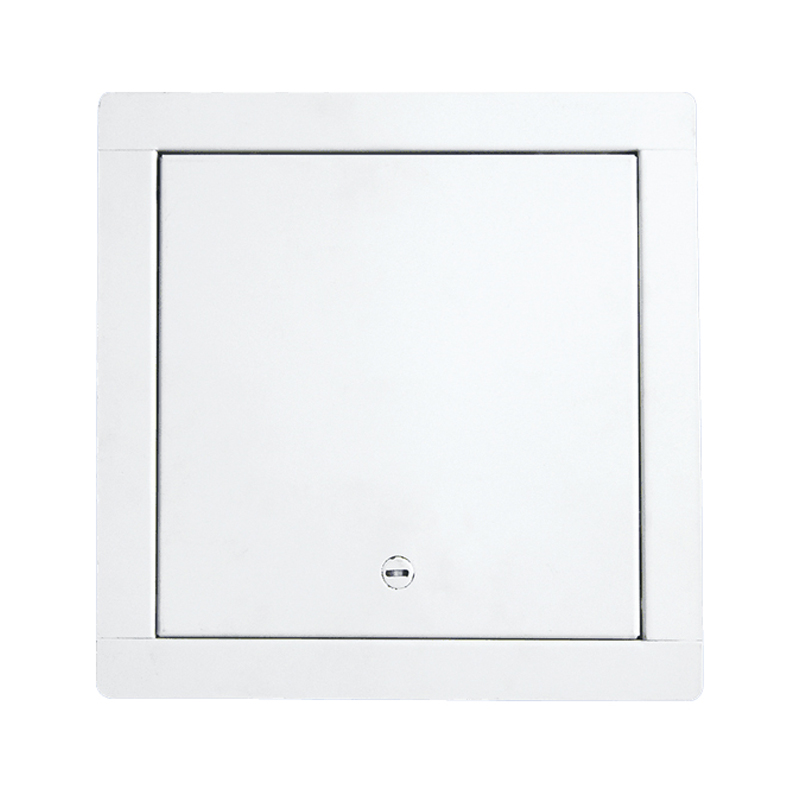
The plastic access panel is revolutionizing construction by offering a lightweight, cost-effective, and rust-proof alternative to traditional metal doors. Ideal for concealing critical plumbing and electrical systems, these panels ensure secure, discreet access in any environment, especially high-humidity areas. Their easy handling and installation dramatically cut labor costs, setting a new standard for efficiency and seamless aesthetic integration in both new builds and renovation projects.
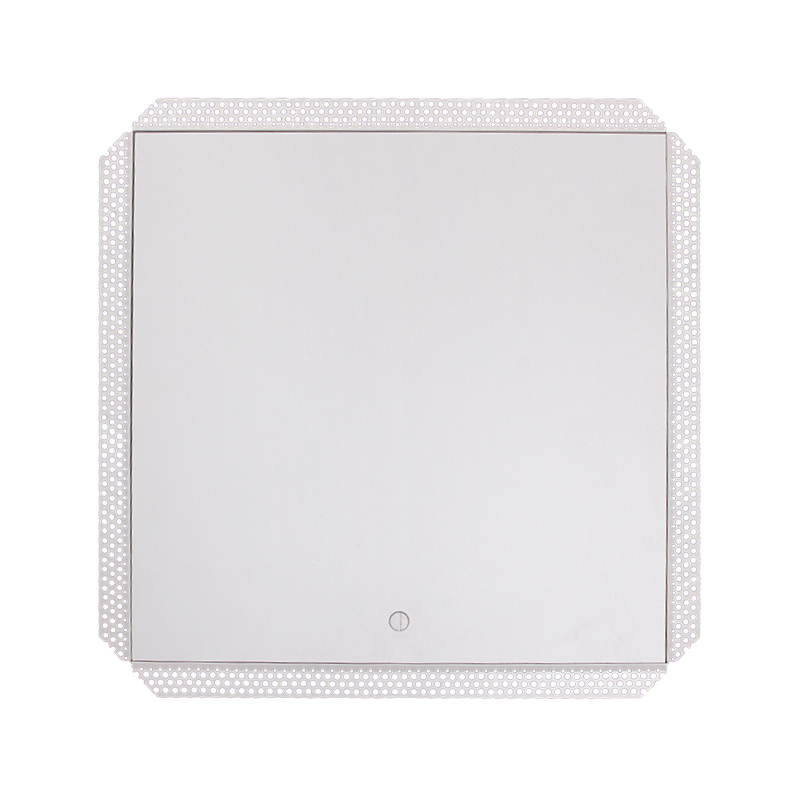
Choosing the best plastic access panel for drywall is essential for a clean finish. The top designs feature unique frames that grip the drywall securely, minimizing cutting and patching. This non-invasive approach ensures a flush, professional mount that resists warping and cracking, preserving the wall’s integrity. The focus is on finding a high-density, impact-resistant panel that blends perfectly into the delicate gypsum surface, offering easy access without visual clutter.
Installing the panel correctly is a quick process, often taking less than ten minutes, which is a significant advantage over cumbersome traditional methods. Accuracy in cutting and securing the frame is key for a lasting, professional finish.
| Step 1: Mark and Cut | Trace the inner panel frame and use a drywall saw to carefully cut the opening. |
| Step 2: Dry Fit and Clean | Test the frame fit in the opening and clear away all dust and debris. |
| Step 3: Secure the Frame | Apply construction adhesive or use screws to secure the frame firmly into the drywall opening. Ensure it is level. |
| Step 4: Insert the Door | Once the frame is secure and the adhesive is set, snap or hinge the access panel door into place. |
For safety-critical installations, an unbiased fire-rated plastic access panel review is vital. These specialized panels utilize fire-resistant materials and intumescent seals to maintain the fire integrity of a wall or ceiling system. They must carry certifications from recognized bodies (e.g., UL) to ensure they prevent the spread of flames and smoke for a specified duration (e.g., 60 or 90 minutes). This provides a compliant, lighter alternative to steel for commercial and multi-family residential needs.
Fire ratings determine the safety and legality of an installation. Proper specification requires understanding how these ratings affect a panel's required performance duration in a fire barrier.
| Rating Type | Description | Typical Application |
| Non-Rated | Standard high-impact plastic; offers no fire barrier protection. | Interior walls/ceilings that are not fire-rated, such as general residential areas. |
| 1-Hour Rated | Engineered construction with intumescent material for 60 minutes of fire barrier. | Commercial or multi-family walls requiring a 1-hour fire barrier. |
| 2-Hour Rated | Heavily fortified to provide the maximum required fire-containment time. | High-risk areas, utility shafts, or strict fire-rated walls. |
Learning how to install plastic access panel in ceiling applications requires a secure, structural mounting due to gravity. Panels must be lightweight yet rigid to prevent future sagging. The frame should be firmly anchored to the ceiling joists or framing, not just the drywall surface, to ensure structural stability. Choosing a model with a large flange helps conceal imperfections and ensures the panel remains inconspicuous in visible areas like hallways or utility rooms.
A quick and successful ceiling installation relies heavily on proper preparation, ensuring the secure fit needed for overhead applications while minimizing mistakes.
| Tool/Material | Purpose | Notes |
| Stud/Joist Finder | Locating adjacent ceiling joists for anchoring points. | Mandatory for a secure ceiling mount. |
| Keyhole Saw | Cutting the precise opening in the ceiling drywall. | Provides superior control for high-accuracy cuts. |
| Power Drill/Driver | Securing the frame with screws. | Screws must be long enough to solidly penetrate the joist. |
| Construction Adhesive/Caulk | Sealing the edges for aesthetic blending and draft prevention. | Use paintable caulk for a seamless finish. |
When comparing a plastic access panel vs metal access door, the plastic option typically wins for standard interior use due to its superior moisture resistance, lower cost, and simpler installation. Metal is heavier, rusts easily, and requires more labor, making it suitable mainly for heavy-duty industrial or high-security applications where its high robustness is necessary. For all standard utility access where fire-rating is not required, the plastic panel provides exceptional value and a virtually invisible, rust-free solution.
Selecting the correct removable plastic access panel dimensions is crucial; the size must accommodate the component it hides (e.g., valve, filter) plus enough clearance for tools and hands. Professionals must ensure the dimension allows for easy removal and replacement of the largest concealed component. Using standard removable plastic access panel dimensions also streamlines purchasing and simplifies potential future replacements across a large property or project.
Standardized sizing helps professionals efficiently specify the correct panel for the intended access point, ensuring appropriate working space.
| Nominal Size (Inches) | Common Applications | Working Clearance |
| 6 x 6 | Small valve checks, hidden sensors. | Minimal: Hand/finger access only. |
| 8 x 8 | Drainage cleanouts, single electrical junction boxes. | Sufficient for a gloved hand and small tools. |
| 12 x 12 | Shower/Tub mixing valves, larger cable bundles, small filters. | Ideal for light maintenance work and medium-sized components. |
| 14 x 14 & Larger | HVAC components, central vacuum systems, furnace components. | Required for two-hand work and larger component removal. |
The goal of a plastic access panel is to be functional yet visually discreet. Their smooth, paintable surface easily accepts standard interior paints for a seamless blend with the decor. Maintenance is minimal, requiring only occasional cleaning without the need for rust treatment or hinge lubrication typical of metal doors. The secure, flush fit also helps maintain indoor air quality and temperature consistency by minimizing air leakage.
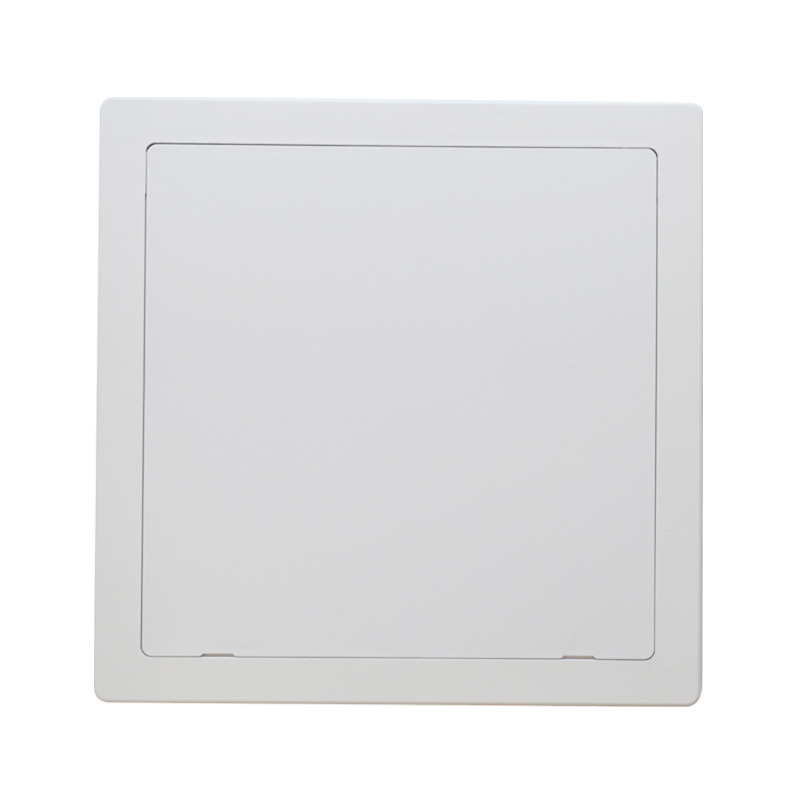
Plastic access panels excel in residential settings due to their corrosion resistance, lower cost, and effortless installation. Unlike metal, plastic is rust-proof, making it ideal for high-humidity areas like bathrooms. A homeowner can easily install a plastic access panel using simple tools, avoiding the labor-intensive framing required for metal. This combination of durability, low maintenance, and easy aesthetic integration makes plastic the superior, more cost-effective residential choice.
Yes, most modern plastic access panels are designed to be paintable. For optimal results, professionals recommend a four-step process: 1. Clean the surface thoroughly. 2. Lightly scuff the panel with fine-grit sandpaper for adhesion. 3. Apply a primer formulated for plastics. 4. Finish with a final coat of wall or ceiling paint. This meticulous process ensures a perfect color match, allowing the best plastic access panel for drywall or ceiling to achieve a near-invisible finish.
The required fire rating in commercial buildings is determined by the specific fire-rated assembly where the panel is located, typically falling under 1-hour (60-minute) or 2-hour (120-minute) standards. Any installed panel, including fire-rated plastic access panel review products, must be certified as an assembly by bodies like UL. The certification confirms the panel maintains the fire barrier’s integrity using features like intumescent seals. Compliance is mandatory; failure to use a properly rated panel compromises the building's entire fire safety system.

Contact Us
SHUNSHI provides a range of technical support services to ensure that customers are able to properly select, install and maintain these products.
Products
Access Panels GuideContact
Tel: 86-15988108762
86-572-8298792
Fax: 86-572-8298792
E-mail: [email protected]
No.281 Mingzhu Main Road, Leidian Town, Deqing, Huzhou, Zhejiang, China, 313219

 English
 Español
 عربى
عربى