Beyond the Hatch: A New Era of Eco-Conscious Production
The industrial manufacturing sector is undergoing a profound transformation, driven by a global imperative to adopt more sustainable and environmentally responsible practices. Within this movement, the production of essential building components, such as roof hatches, is being reimagined. This article delves into the specific, actionable strategies that a forward-thinking roof hatch factory is implementing to significantly reduce its carbon footprint. We will explore the entire product lifecycle, from the sourcing of raw materials to the final installation, highlighting how modern factories are moving beyond mere compliance to become stewards of the environment. This shift is not just about corporate responsibility; it's about building a resilient, efficient, and future-proof business model that meets the growing demand for green building products. The journey towards sustainability is multifaceted, involving technological innovation, process optimization, and a fundamental rethinking of traditional manufacturing paradigms. By examining these practices in detail, we aim to provide a comprehensive overview of what true sustainability looks like in a specialized manufacturing context, offering insights that are valuable for architects, builders, and sustainability advocates alike.
Core Sustainable Manufacturing Strategies in Action
The commitment to sustainability is woven into the very fabric of the modern roof hatch factory's operations. It is a comprehensive approach that touches upon every single aspect of production, creating a synergistic effect that amplifies the environmental benefits. This holistic methodology ensures that reductions in carbon emissions are not achieved in one area only to be negated by wastefulness in another. The following sections break down the core strategies that form the backbone of this green manufacturing revolution, providing a clear and detailed picture of the practical steps being taken.
Revolutionizing Material Sourcing and Lifecycle
One of the most significant levers for reducing the carbon footprint of any manufactured good is the careful selection and management of materials. A sustainable roof hatch factory prioritizes the use of materials that are either recycled, responsibly sourced, or designed for a long service life and eventual recyclability.
- Recycled Steel and Aluminum: The primary metals used in hatch construction are increasingly sourced from post-consumer and post-industrial recycled content. Utilizing recycled aluminum, for instance, requires up to 95% less energy than producing new aluminum from raw ore, representing a massive reduction in the product's embodied energy.
- Sustainable Insulation: For thermally broken hatches, the choice of insulation is critical. Factories are now opting for advanced foam blowing agents with low global warming potential (GWP) and insulation cores made from recycled materials, which provide excellent thermal performance without the environmental toll.
- Powder Coatings: Instead of traditional liquid paints that contain volatile organic compounds (VOCs), environmentally leading factories use powder coating systems. These coatings are applied electrostatically and cured under heat, creating a durable finish. The overspray can be collected and reused, virtually eliminating hazardous waste and air pollution.
When comparing traditional material sourcing to sustainable sourcing, the differences in environmental impact are stark.
| Material Aspect |
Traditional Sourcing |
Sustainable Sourcing |
| Primary Metal Source |
Virgin ore, requiring high-energy smelting. |
High-percentage recycled content, drastically reducing energy demand. |
| Surface Finishing |
Liquid paints with VOC emissions and chemical waste. |
Powder coatings with near-zero VOC emissions and minimal waste. |
| End-of-Life Scenario |
Often landfilled, with materials lost to the economy. |
Designed for disassembly and full recyclability, supporting a circular economy. |
Energy Efficiency and Renewable Power Integration
The manufacturing process itself is a major consumer of energy. A commitment to sustainability necessitates a deep focus on energy conservation and a transition away from fossil fuels. This is where the concept of a low-energy roof access solutions manufacturer truly comes to life, not just in the product's performance but in its creation.
- Solar Power Generation: Factories are installing vast arrays of photovoltaic panels on their rooftops and surrounding properties. This on-site generation of clean, renewable energy directly powers the manufacturing equipment, lighting, and office spaces, slashing the facility's reliance on the grid and its associated carbon emissions.
- High-Efficiency Machinery: Older, energy-intensive presses, welders, and cutting machines are being phased out and replaced with modern, high-efficiency models. These new machines often feature regenerative drives that capture and reuse energy during deceleration, and they are programmed for optimal power consumption.
- LED Lighting and Smart Controls: The entire facility, from the production floor to the warehouse, is illuminated by LED lighting, which uses a fraction of the energy of traditional lighting. This is coupled with smart sensor systems that dim or turn off lights in unoccupied areas, further conserving energy.
- Heat Recovery Systems: Industrial processes generate significant heat. Advanced factories now employ heat recovery systems that capture waste heat from equipment like ovens and compressors. This captured thermal energy is then repurposed to heat water for the coating process or to warm the facility during colder months, creating a closed-loop system that maximizes energy utilization.
Addressing Specific Market Needs with Green Products
The drive for sustainability extends beyond the factory walls and into the specific performance attributes of the roof hatches themselves. By engineering products that contribute to a building's overall environmental goals, manufacturers are providing tangible value to their customers. This alignment with market needs is crucial for the widespread adoption of green building practices.
Meeting the Demand for Fire-Rated and Sustainable Safety
Safety and sustainability are not mutually exclusive. In fact, the highest standards of building safety can be achieved while maintaining a firm commitment to environmental stewardship. This is particularly relevant for products that are critical for life safety, such as a fire-rated roof hatch for commercial buildings. The manufacturing of such a product with a green focus involves several key considerations.
- Material Integrity and Recycled Content: The steel and other metals used in a fire-rated hatch must meet stringent strength and melting point requirements. A sustainable factory proves that it is possible to source high-grade, recycled steel that fulfills these rigorous standards without compromise. The integrity of the fire rating is maintained while the embodied carbon of the product is significantly reduced.
- Intumescent Sealants: These seals expand when exposed to high heat, creating a barrier against smoke and flames. Environmentally conscious manufacturers are selecting intumescent materials that are free from harmful halogens and other toxic substances, ensuring that in the event of a fire, the product does not release additional hazardous chemicals into the environment.
- Durability and Longevity: The most sustainable product is one that lasts for decades without needing replacement. A fire-rated hatch built with superior corrosion resistance, robust hardware, and a durable finish will perform its safety function reliably over the long term, reducing waste and the resource consumption associated with premature product failure and replacement.
Optimizing for Building Performance and Energy Conservation
A roof penetration is a potential weak point in a building's thermal envelope. Therefore, the performance of the roof hatch is directly linked to the building's overall energy efficiency. This is a critical area of focus for a manufacturer of energy-efficient roof access doors. The sustainable manufacturing practices directly enable the creation of superior products in this category.
- Advanced Thermal Breaks: To prevent thermal bridging—where heat easily transfers through the metal frame—high-performance hatches incorporate polyamide thermal breaks. These are engineered components that create a continuous barrier of insulation between the interior and exterior parts of the frame. The precision with which these breaks are manufactured and installed is key to their effectiveness, a process refined through sustainable, quality-focused production.
- Superior Insulation Cores: The door panel itself is filled with high-R-value insulation. A sustainable factory will use insulation with a low global warming potential (GWP) and high recycled content, ensuring that the energy-saving benefits of the product are not offset by the environmental cost of its materials.
- Airtight Sealing Systems: Multi-point latching mechanisms work in concert with continuous, compression gaskets to create an exceptional seal against air infiltration. This minimizes the loss of conditioned air (either heated or cooled), which reduces the energy load on the building's HVAC system and lowers its operational carbon footprint.
The contrast between a standard roof access door and an energy-efficient model is significant in terms of both construction and performance.
| Feature |
Standard Roof Hatch |
Energy-Efficient Roof Hatch |
| Thermal Break |
None or minimal, leading to significant thermal bridging. |
Continuous, engineered polyamide thermal break. |
| Insulation Value (R-Value) |
Low, often with basic fiberglass batt. |
High, with advanced foam or board insulation. |
| Air Infiltration Rating |
Poor, allowing conditioned air to escape. |
Excellent, with multi-point sealing for an airtight closure. |
Ensuring Durability and Weatherproofing in Harsh Environments
For buildings in coastal or industrial areas, the threat of corrosion is a constant concern. A product that fails prematurely due to rust not only creates a maintenance headache but also represents a waste of resources. This makes the role of a corrosion-resistant roof hatch supplier vital to sustainable construction. The manufacturing process for these specialized products emphasizes longevity and resilience.
- Material Selection: The use of marine-grade aluminum or specially formulated, corrosion-resistant steel alloys is the first line of defense. These materials are inherently more resilient to salt spray, chemical exposure, and humidity.
- Superior Surface Preparation and Finishing: The durability of any coating is dependent on the preparation of the underlying metal. A sustainable factory will employ rigorous processes like phosphating or chromate conversion coating, which create a microscopic layer that improves paint adhesion and corrosion resistance. This is followed by the application of a thick, high-quality powder coat, often in multiple layers, to create a nearly impervious barrier against the elements.
- Stainless Steel Hardware: Every hinge, latch, and fastener is specified in stainless steel to prevent galvanic corrosion and ensure the mechanical components last as long as the hatch itself. This attention to detail prevents the need for early replacements and maintains the integrity of the product for its entire service life.
The Role of Logistics and End-of-Life Planning
A truly sustainable approach does not end when the product leaves the factory. The methods used to transport the hatches to their final destination and the planning for their ultimate disposal or reuse are integral parts of the carbon footprint equation. This lifecycle thinking is what separates a comprehensive green strategy from a superficial one.
Eco-Conscious Packaging and Distribution
The goal of a customizable roof hatch manufacturer near me is not just to produce a local product, but to manage the entire supply chain with minimal environmental impact. This involves intelligent packaging and logistics planning to reduce emissions associated with transportation.
- Minimal and Recyclable Packaging: Gone are the days of excessive, non-recyclable polystyrene and plastic wrap. Sustainable factories use packaging made from recycled cardboard and paper, which is itself fully recyclable. They design custom-sized cartons and crates to minimize material use and ensure product protection without waste.
- Optimized Shipping Routes: By leveraging logistics software, manufacturers can plan the most efficient shipping routes, consolidating shipments to reduce the total number of journeys and the associated fuel consumption. For local clients, this means fewer truck miles and lower emissions.
- Local Sourcing of Components: Whenever possible, a factory will source sub-components, gaskets, and hardware from local or regional suppliers. This shortens the supply chain, reduces transportation emissions, and supports the local economy, creating a more resilient manufacturing ecosystem.
Designing for a Circular Economy
The ultimate expression of sustainable manufacturing is the creation of products that fit within a circular economy—a system aimed at eliminating waste and the continual use of resources. For a roof hatch factory, this means designing products with their end-of-life in mind.
- Design for Disassembly (DfD): Hatches are engineered to be easily taken apart at the end of their long life. This allows for the clean separation of different materials (e.g., steel, aluminum, insulation, gaskets), which can then be efficiently sorted and recycled into new products, rather than being downcycled or sent to a landfill.
- Material Passports: Some forward-thinking manufacturers are exploring the concept of providing a "material passport" for their products. This digital document details the exact materials used in the hatch, their recycled content, and instructions for disassembly and recycling. This information is invaluable for future demolition and recycling crews, ensuring materials re-enter the production cycle with maximum value.
- Take-Back Programs: The most ambitious factories are investigating take-back programs, where they accept old hatches back from customers. The factory then assumes responsibility for the proper disassembly and recycling of the materials, closing the loop and ensuring that the valuable metals and other components are not lost.
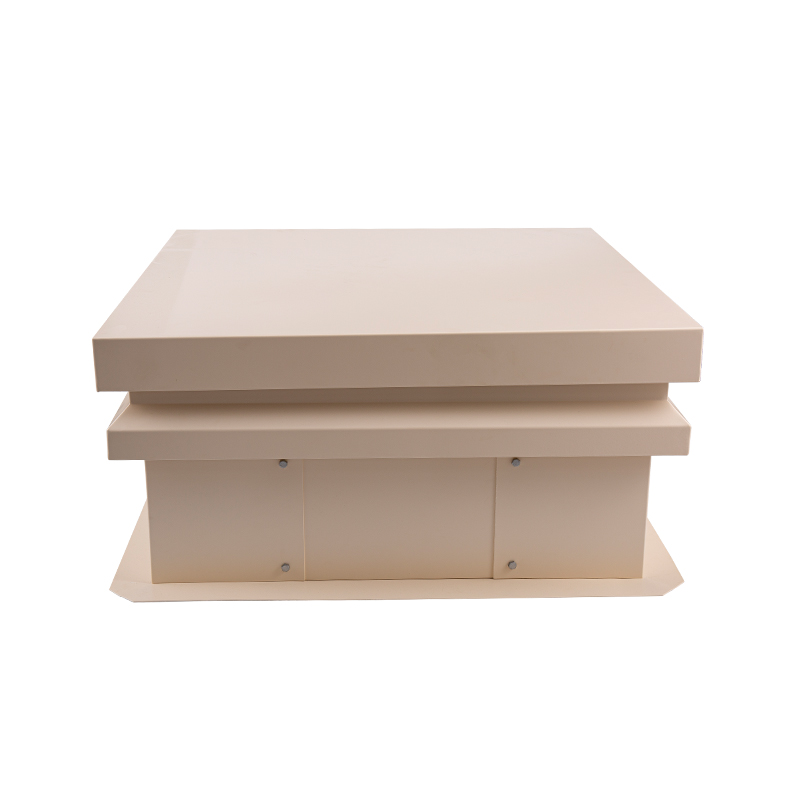
This holistic approach, from green energy in the factory to circular design principles, demonstrates a deep and authentic commitment to sustainability that benefits the manufacturer, the customer, and the planet alike.




 English
 Español
 عربى
عربى