English
When it comes to HVAC maintenance, duct access doors are non-negotiable — they are the entry points that allow technicians to inspect, clean, and repair ductwork without tearing into walls or ceilings. Among the available options, stainless steel duct access doors and rectangular duct access doors are the most widely specified in commercial, industrial, and food-service environments. This guide delivers direct answers on material selection, sizing, installation, and standards compliance so you can make informed purchasing decisions.
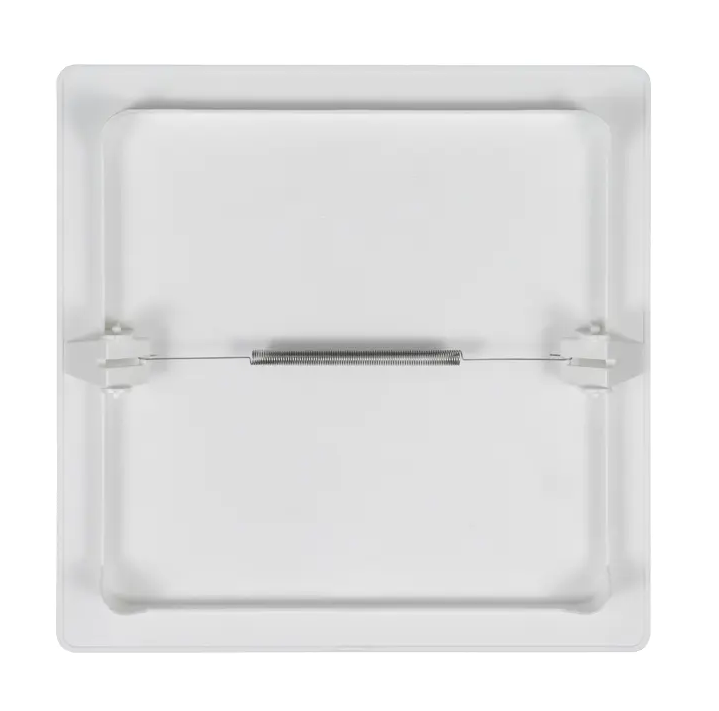
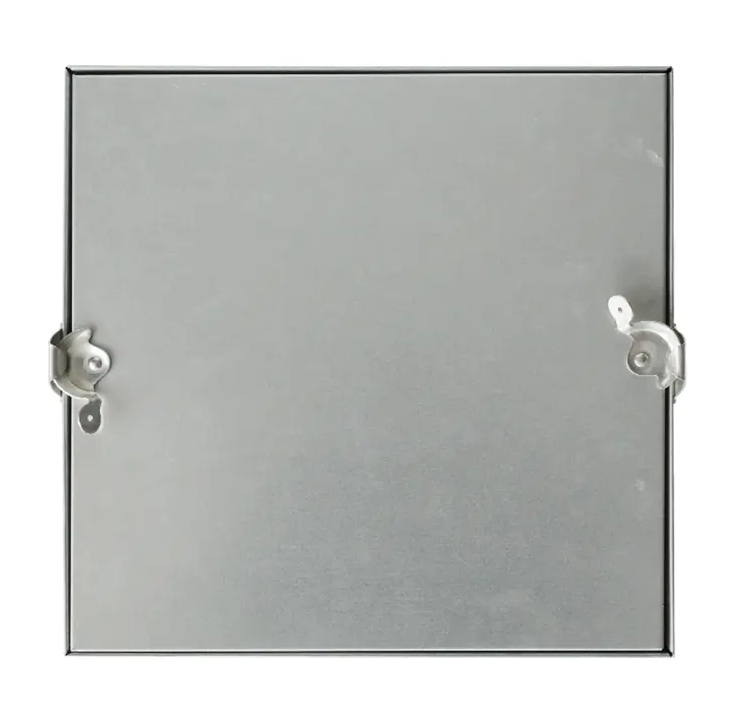
A duct access door is a hinged or removable panel installed directly into a ductwork system to provide maintenance access to the interior. Without them, cleaning grease buildup, replacing dampers, or inspecting insulation would require cutting and re-sealing the duct each time — a costly and time-consuming process.
According to SMACNA (Sheet Metal and Air Conditioning Contractors' National Association) standards, access doors should be installed within 12 inches of every major HVAC component — including coils, dampers, humidifiers, and fire dampers. Neglecting access provisions can void equipment warranties and result in failed inspections under NFPA 96 for commercial kitchen exhaust systems.
Key functions of duct access doors include:
Stainless steel duct access doors are the preferred choice in environments where hygiene, corrosion resistance, and durability under harsh conditions are critical. While galvanized steel doors are standard in many commercial HVAC applications, stainless steel is mandated or strongly recommended in specific settings.
| Property | Type 304 | Type 316 |
|---|---|---|
| Chromium Content | 18–20% | 16–18% |
| Molybdenum | None | 2–3% (enhanced corrosion resistance) |
| Salt/Chloride Resistance | Moderate | High |
| Typical Use | Food service, healthcare, general commercial | Marine, chemical, pharmaceutical |
| Relative Cost | Lower | 15–30% higher than 304 |
Most stainless steel duct access doors are fabricated from 20-gauge or 18-gauge sheet, with heavier 16-gauge panels used in high-pressure or industrial exhaust applications. The thicker the gauge, the more rigid and durable the door — important in systems operating above 2 inches w.g. (water gauge) static pressure.
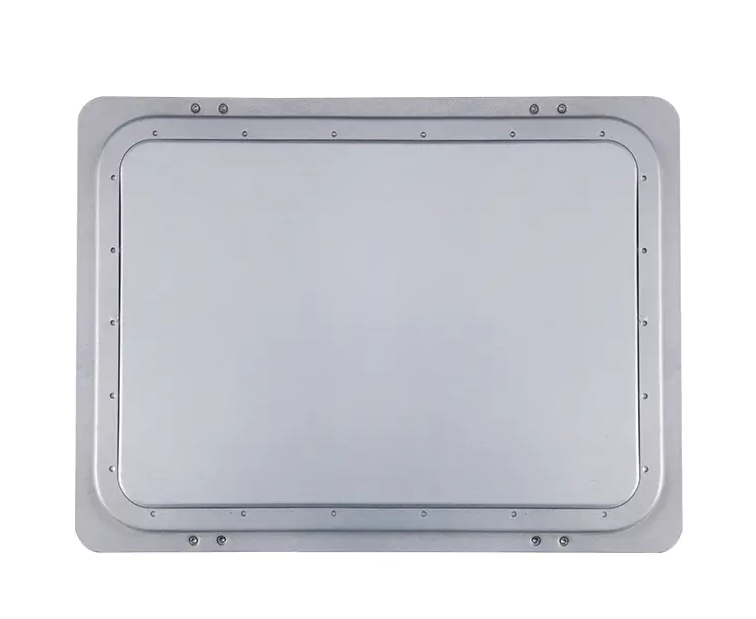
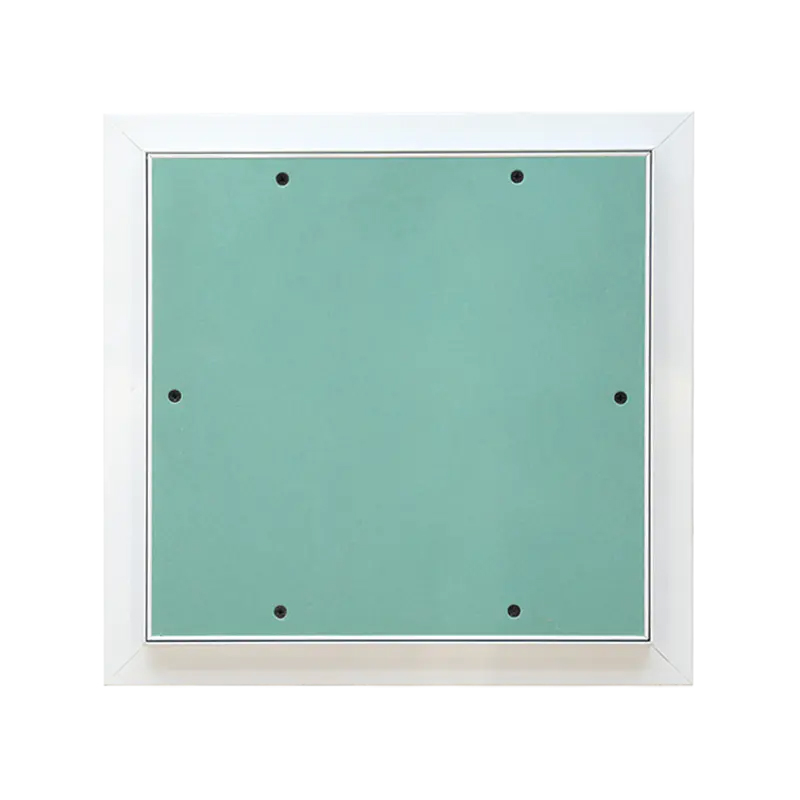
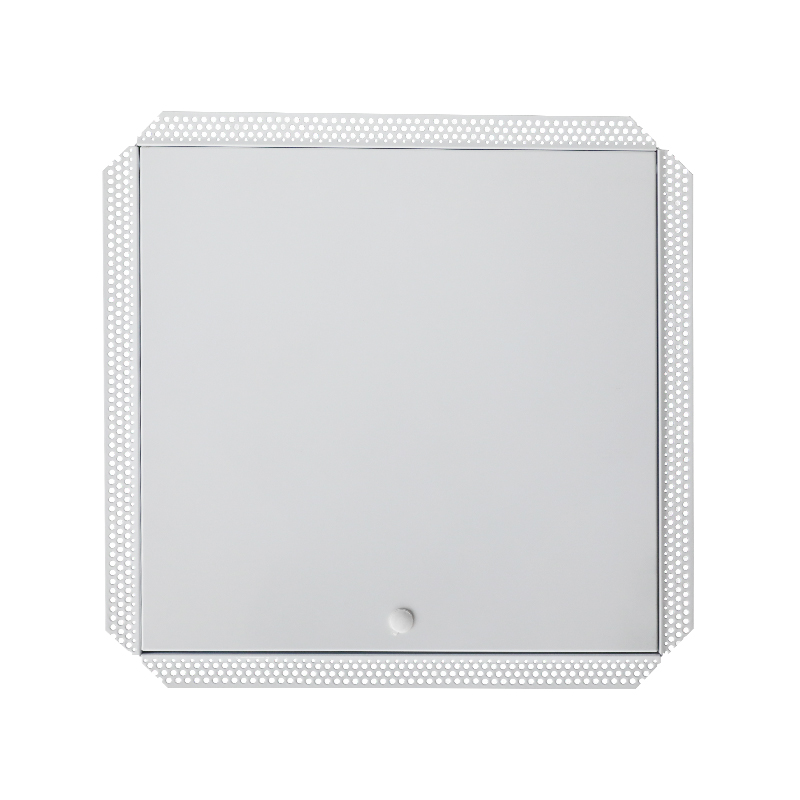
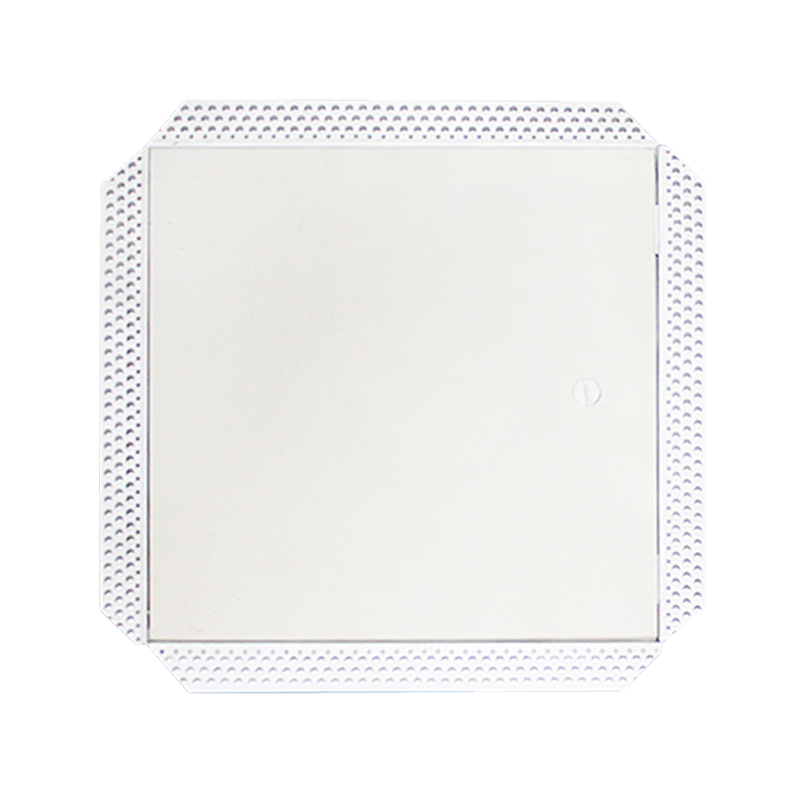
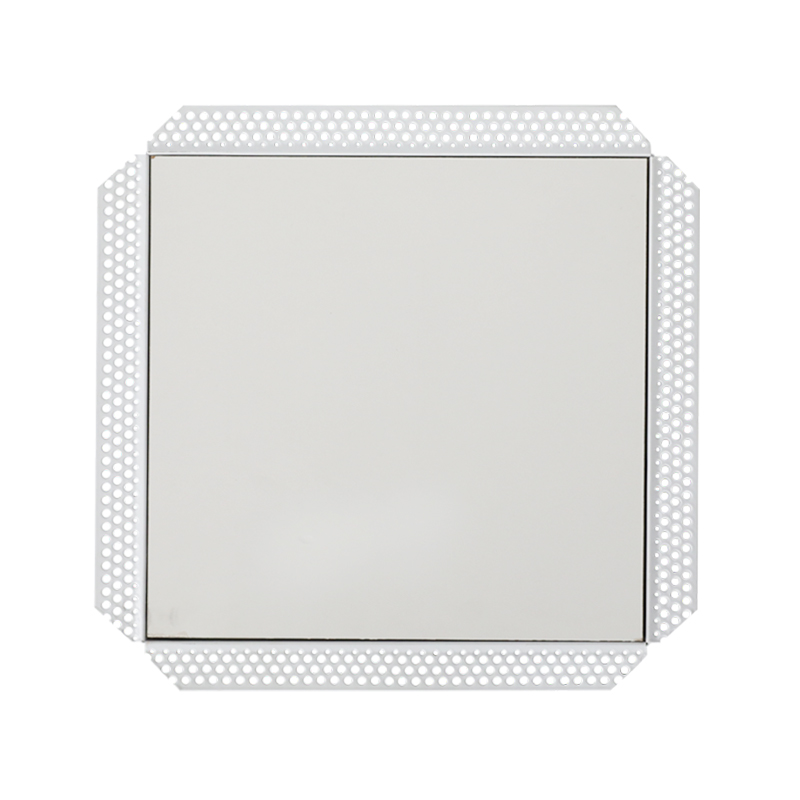
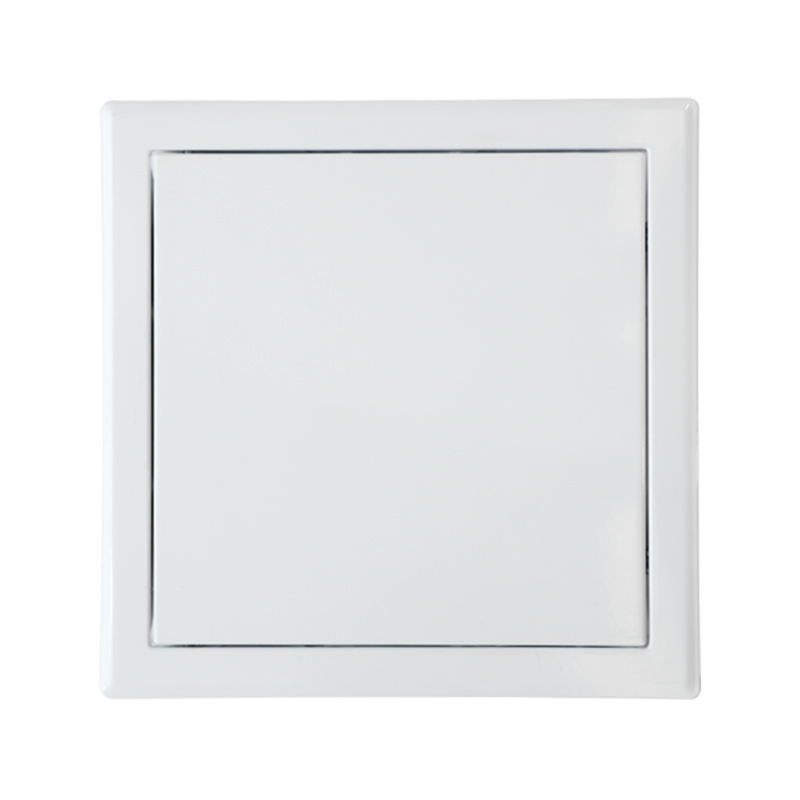
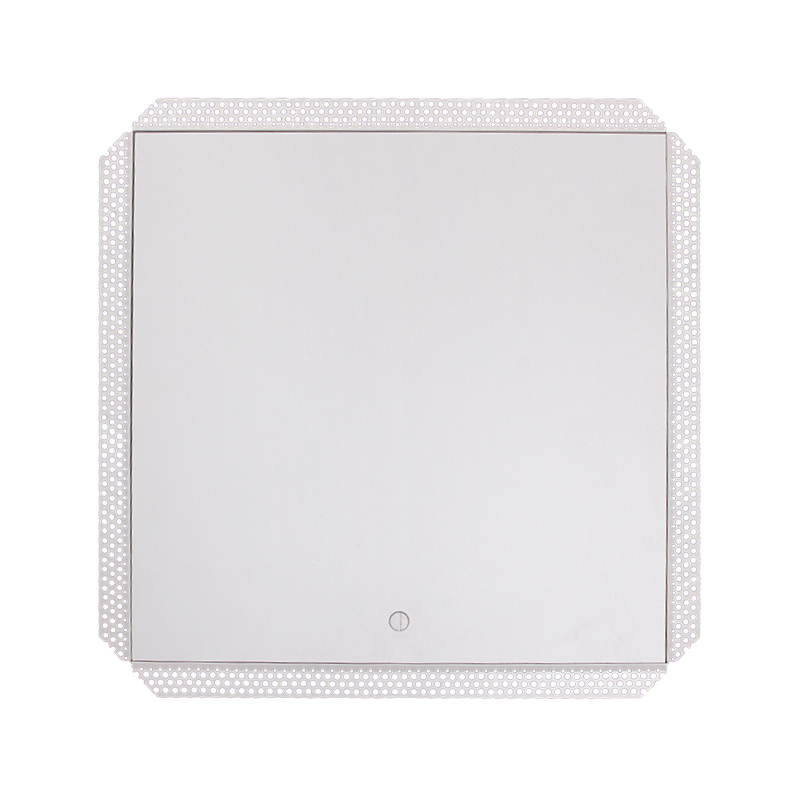
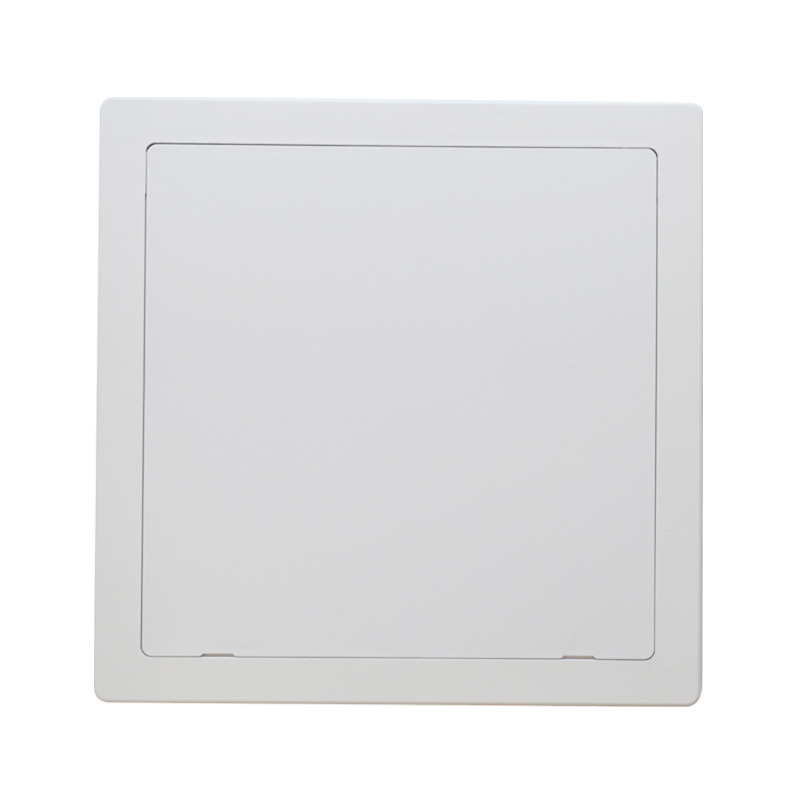
Rectangular duct access doors are the dominant form factor in commercial HVAC systems because most ductwork is rectangular in cross-section. They offer the most versatile sizing options and are compatible with both low-pressure and high-pressure duct configurations.
Rectangular access doors are available in a wide range of standard sizes. Common off-the-shelf dimensions include:
A general industry rule of thumb: the access door opening should be at least 50% of the duct's smaller dimension to allow a technician's arm and tools to reach internal components comfortably. For ducts 24 inches wide or larger, a minimum 12" × 12" door is typically recommended.
Custom fabrication is common for non-standard duct dimensions. Most manufacturers offer cut-to-size services with lead times of 5–10 business days for stainless steel custom units.
Rectangular duct access doors come in two primary mounting configurations:
Not all duct access doors are built equally. The following features directly affect performance, longevity, and code compliance:
An airtight seal is critical. High-quality doors use closed-cell neoprene or silicone gaskets that maintain compression over time. Look for doors rated to UL 181 Class 1 or Class 2 for air leakage performance. Poorly sealed doors can increase system air leakage by 5–15%, raising energy costs and reducing system efficiency.
Common latch styles include:
Hinges should be continuous piano-style or heavy-duty stainless steel pin hinges for longevity. Door swing direction (left, right, top, or bottom hinge) must be specified based on the available clearance around the duct. Many manufacturers offer reversible or field-configurable hinges to simplify installation.
For ducts in unconditioned spaces or applications involving high-temperature exhaust, insulated access door panels reduce thermal loss and prevent condensation on the door surface. Common insulation materials include:
SMACNA classifies ductwork — and by extension, access doors — into pressure classes based on static pressure and velocity. Selecting a door rated for the wrong pressure class will result in door deflection, gasket failure, and air leakage.
| Pressure Class | Static Pressure Range | Typical Application | Recommended Door Type |
|---|---|---|---|
| ½" w.g. | Up to 0.5" w.g. | Residential supply/return | Standard galvanized, gasketed |
| 2" w.g. | 0.5" – 2" w.g. | Light commercial HVAC | Galvanized or SS, cam latch |
| 4" w.g. | 2" – 4" w.g. | Industrial / VAV high-pressure | Heavy-gauge SS, screw flange |
| 10" w.g. | 4" – 10" w.g. | Kitchen exhaust, industrial | SS with reinforced frame, NFPA 96 |
For commercial kitchen exhaust systems specifically, NFPA 96 Section 7.2 requires access panels at every change of direction, every 12 feet of straight run, and at fan inlets. Failure to comply can result in failed fire inspection and significant liability exposure.
Proper installation determines whether an access door performs as specified over its service life. Below are the critical steps that professional HVAC installers follow:
A common installation mistake is positioning the access door too close to elbows or transitions. Allow a minimum of one duct width of straight run between a fitting and an access door to ensure airflow has normalized before the technician views the interior.
Material choice has a direct impact on both upfront and lifecycle costs. Here is a realistic comparison for a standard 12" × 12" rectangular access door:
| Factor | Galvanized Steel | Type 304 Stainless Steel |
|---|---|---|
| Typical Unit Price | $20 – $50 | $60 – $150 |
| Expected Service Life | 10–15 years (dry environments) | 25–30+ years |
| Corrosion Risk | High in humid/chemical environments | Very low |
| Replacement Frequency | Potentially 2–3× over building life | Likely once |
| Best Value Scenario | Dry office/retail HVAC | Kitchen exhaust, healthcare, marine |
In commercial kitchen exhaust systems, replacing a corroded galvanized access door typically costs $150–$400 in labor per unit when factoring in scaffolding, system shutdown, and resealing. In those environments, specifying stainless steel from the outset pays for itself within 5–7 years.
Even experienced HVAC contractors make specification errors that result in failed inspections or premature replacements. The most frequent issues include:
The right duct access door comes down to matching material, size, pressure rating, and sealing method to the specific demands of your system. For most commercial HVAC applications, galvanized rectangular doors with cam latches and neoprene gaskets are cost-effective and code-compliant. For kitchens, healthcare, and corrosive environments, Type 304 or 316 stainless steel rectangular doors are the correct specification — and a smarter long-term investment.
Always verify:
Getting these decisions right at the specification stage eliminates costly field changes, failed inspections, and premature replacements down the line.


Contact Us
SHUNSHI provides a range of technical support services to ensure that customers are able to properly select, install and maintain these products.
Contact
Tel: 86-15988108762
86-572-8298792
Fax: 86-572-8298792
E-mail: [email protected]
No.281 Mingzhu Main Road, Leidian Town, Deqing, Huzhou, Zhejiang, China, 313219

 English
 Español
 عربى
عربى