English
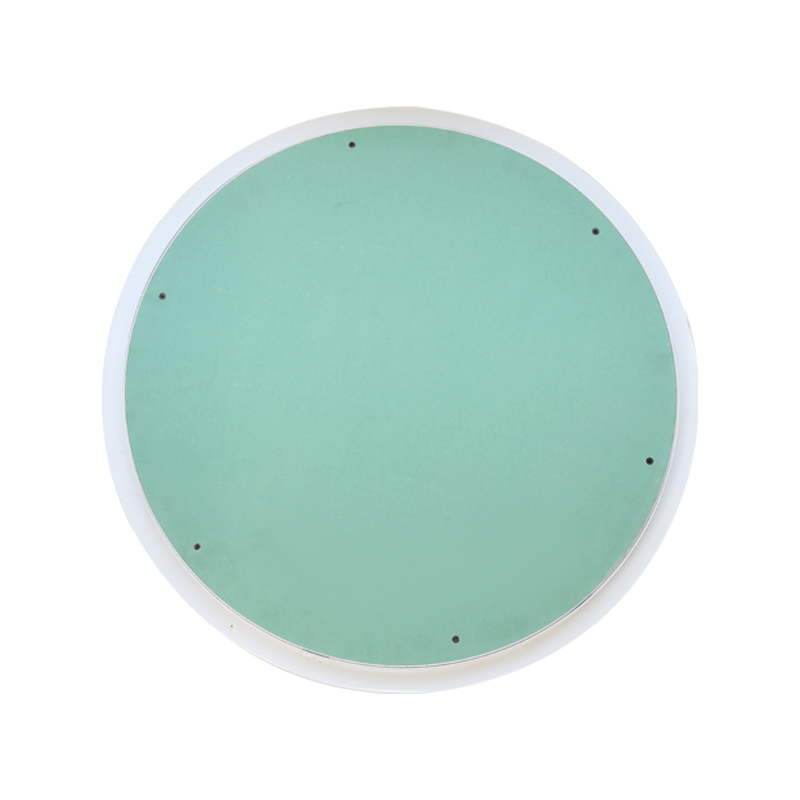
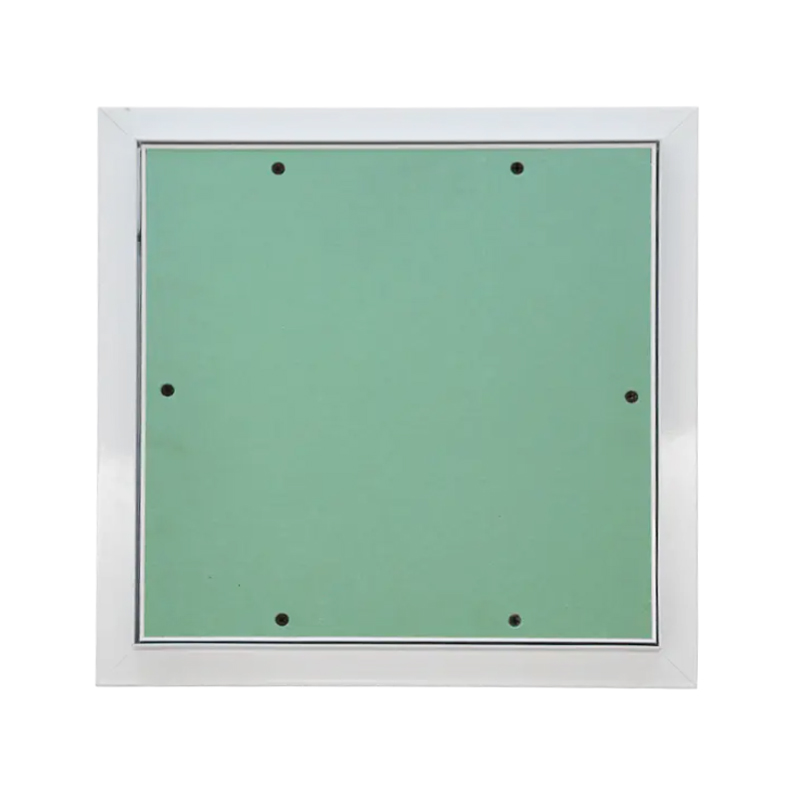
In the complex architecture of modern commercial and industrial buildings, the ability to safely and efficiently reach the roof is a critical operational requirement. Whether for routine HVAC maintenance, inspections, or emergency repairs, a secure point of entry is indispensable. This is where the Roof Access Hatches come into play. These specialized access points provide a safe, weatherproof, and code-compliant passage for personnel and equipment. Unlike standard doors, these hatches are engineered to withstand the unique challenges of a rooftop environment, including high winds, heavy rain, and temperature fluctuations. As building codes become more stringent and safety protocols more rigorous, the demand for high-quality access solutions has surged. Understanding the specific types, materials, and features of these hatches is essential for architects, contractors, and facility managers who aim to optimize building safety and longevity. This comprehensive guide delves into the various aspects of roof access solutions, exploring the benefits of materials like aluminum, the importance of fire ratings, and the integration of safety ladders, while highlighting the role of expert manufacturing in delivering reliable infrastructure.
In the realm of commercial real estate, the roof is often home to vital machinery such as air handling units, solar panels, and telecommunication arrays. Ensuring that maintenance personnel can reach these areas safely is a top priority. Commercial roof access hatch solutions are designed to meet the rigorous demands of high-traffic buildings, including office complexes, hospitals, and shopping centers. These hatches are not merely functional openings; they are integral components of the building's envelope that contribute to energy efficiency and security. A robust commercial hatch prevents unauthorized access while providing a seamless transition for authorized workers. The selection of the right hatch involves considering factors such as load capacity, insulation values, and the specific frequency of use. Furthermore, modern commercial units often feature advanced locking mechanisms and insulation to prevent heat loss, aligning with the growing emphasis on green building standards. Investing in a high-quality access hatch reduces liability risks and ensures that maintenance schedules are met without delays caused by safety concerns.
| Feature | Commercial Application Benefit |
|---|---|
| Insulation | Reduces energy costs by maintaining internal temperature |
| Heavy Duty Hinges | Withstands frequent use in high-traffic buildings |
| Locking Mechanisms | Ensures security against unauthorized trespassing |
When it comes to material selection, aluminum roof access hatch units stand out as the premier choice for architects and engineers. Aluminum offers an exceptional strength-to-weight ratio, making it easy to operate while maintaining structural integrity. Unlike steel, which is prone to rust, aluminum naturally resists corrosion, ensuring that the hatch remains functional and aesthetically pleasing for decades. This corrosion resistance is particularly vital in coastal areas or industrial zones with high humidity and pollution levels. Additionally, aluminum hatches are often equipped with thermal breaks to prevent condensation and energy transfer. The versatility of aluminum allows for various finishes, including powder coating, which can match the building's exterior design. Manufacturers specializing in high-end hardware, such as those with ISO9001 certifications, utilize advanced CNC equipment to precision-cut and assemble these hatches, ensuring a perfect fit and seal. The lightweight nature of aluminum also simplifies the installation process, reducing labor costs and time on the construction site.
| Material | Aluminum |
|---|---|
| Weight | Lightweight (Approx. 50% lighter than steel) |
| Lifespan | 20+ years with minimal maintenance |
| Environmental Impact | Highly recyclable material |
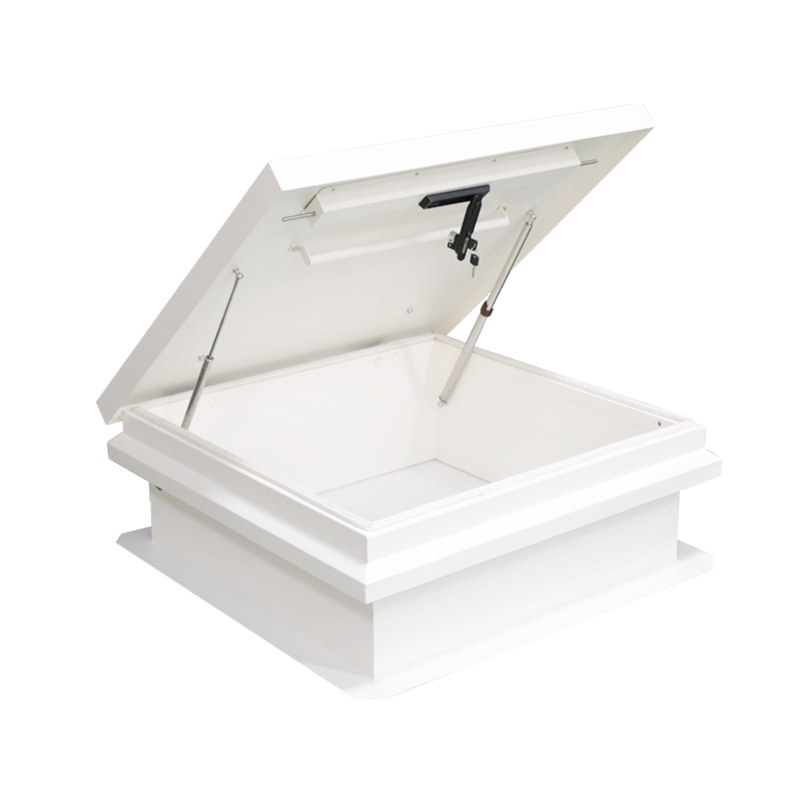
Safety and environmental protection are paramount when installing any penetration in a building's roof. A weathertight roof access hatch is engineered to prevent water ingress, even during severe storms. These hatches feature innovative gasketing systems and overlapping cover designs that channel water away from the opening, protecting the interior of the building from water damage. Equally important is the capability to resist fire. A fire-rated roof access hatch is constructed with intumescent materials and insulation that can withstand high temperatures for a specified period, typically 2 to 4 hours. This fire resistance is crucial for preventing the spread of fire between floors and to the roof, preserving evacuation routes, and protecting vital mechanical equipment. The integration of fire safety features often includes self-closing mechanisms that automatically shut the hatch in the event of a fire alarm. By combining weatherproofing with fire ratings, building owners can ensure comprehensive protection for their assets and occupants, adhering to strict building codes and insurance requirements.
| Hazard Type | Protection Feature |
|---|---|
| Rain/Snow | Weathertight gaskets and positive drainage |
| Fire | Fire-resistant insulation and intumescent seals |
| Heat Transfer | Thermal breaks to minimize energy loss |
| Wind Uplift | Heavy-duty closures and secure locking latches |
Accessibility is not just about the hatch door itself but also about how personnel reach it. In buildings where vertical shafts are deep, a roof access hatch with ladder provides a complete, integrated solution. These systems are designed to offer a safe and stable climb, eliminating the need for portable ladders that can be unstable and cumbersome. Fixed ladders are often made of durable materials like galvanized steel or aluminum and are equipped with safety cages for fall protection over a certain height. Some advanced systems include a safety rail that extends above the roof level, allowing users to transition safely from the ladder to the roof surface. The design of these integrated systems considers the spatial constraints of the building, ensuring that the ladder does not intrude unnecessarily into the upper floor space. For retrofit projects, compact scissor ladders or retractable stairs can be housed within the ceiling cavity, providing access only when needed. By providing a dedicated means of egress, these integrated solutions significantly enhance worker safety and compliance with occupational health and safety regulations.
| Access Type | Best Use Case |
|---|---|
| Fixed Ladder | High-frequency access in tall shafts |
| Retractable Ladder | Limited ceiling space or infrequent access |
| Scissor Stairs | Easy access for personnel carrying equipment |
| Safety Rail | Required by code for hatches installed near the roof edges |
Selecting the right manufacturer for roof access solutions is as critical as the product itself. Zhejiang Shunshi Intelligent Technology Co., Ltd., formerly known as Hangzhou Shunshi Hardware Machinery Co., Ltd., has established itself as a leader in the production of high-end access panels, vents, and hardware processing parts. Founded in 2005 and located at 281 Mingzhu Avenue, Deqing County, Huzhou City, the company operates a sprawling 30,000-square-meter facility. With a dedicated focus on innovation, the company holds 16 patents and strictly adheres to the ISO9001 quality management system. This commitment ensures that every product, from medical beds to complex roof hatches, is manufactured with advanced equipment and rigorous quality control procedures. The professional R&D team at Zhejiang Shunshi Intelligent Technology Co., Ltd. is capable of undertaking a wide array of OEM and ODM special products, tailoring solutions to meet the unique architectural demands of clients worldwide.
The company's influence is truly global, with products sold to 91 countries as of 2025, including major markets like Germany, France, the United States, and the UAE. Their portfolio of high-end projects is a testament to their quality, having supplied materials for the Royal Office of Qatar and the iconic Burj Al Arab Hotel. Adhering to the principle of "quality first, customer first," Zhejiang Shunshi Intelligent Technology Co., Ltd. strives to be a benchmark in the industry, taking pride in "Made in China" manufacturing. Whether it is a standard aluminum hatch or a custom fire-rated unit, partnering with this manufacturer ensures that construction projects receive durable, reliable, and expertly engineered access solutions that stand the test of time.
| Company Attribute | Detail |
|---|---|
| Founded | 2005 |
| Factory Size | 30,000 square meters |
| Key Markets | Europe, the Middle East, the Americas, and Asia |
| Specialty | High-end access panels, OEM/ODM services |
While custom sizes are available, standard dimensions for a Roof Access Hatch typically range from 30" x 30" (762mm x 762mm) to 36" x 48" (914mm x 1219mm). The size chosen often depends on the equipment that needs to pass through the opening. It is crucial to verify local building codes, as some jurisdictions require minimum dimensions to ensure safe egress for workers carrying tools.
Maintenance for a weathertight roof access hatch is relatively straightforward but essential for longevity. Regular inspections should focus on the gasketing material to ensure it hasn't cracked or hardened, which could compromise the seal. The hinges and locking mechanisms should be lubricated annually to ensure smooth operation, and any debris on the cover or in the drainage channels should be removed to prevent water buildup.
Yes, an aluminum roof access hatch can be manufactured to achieve fire ratings, typically 2 or 4 hours. This involves using specific insulation materials and intumescent strips within the door assembly. When specifying a fire-rated unit, always check for certification labels to ensure compliance with standards such as UL 10C or ASTM E119.
A commercial roof access hatch is generally built to withstand higher traffic loads and stricter building codes compared to residential units. Commercial hatches often feature heavier-duty materials, more robust locking mechanisms for security, and higher fire ratings. Residential hatches are typically smaller and designed for lighter, less frequent use.
Yes, a roof access hatch with a ladder can often be retrofitted into existing structures. However, it requires careful structural analysis to ensure the surrounding ceiling and supports can handle the new opening and load. For retrofit situations, retractable ladders or space-saving stairs are often preferred to minimize the impact on the floor space below.

Contact Us
SHUNSHI provides a range of technical support services to ensure that customers are able to properly select, install and maintain these products.
Contact
Tel: 86-15988108762
86-572-8298792
Fax: 86-572-8298792
E-mail: [email protected]
No.281 Mingzhu Main Road, Leidian Town, Deqing, Huzhou, Zhejiang, China, 313219

 English
 Español
 عربى
عربى