English
For homeowners, builders, and HVAC professionals, selecting the right air vent is a critical yet often overlooked aspect of ensuring indoor comfort, air quality, and system efficiency. This comprehensive guide delves into the world of air vents, offering detailed information to help you make an informed decision. We will explore various types, key considerations for selection, and professional installation tips.
Air vents are integral components of a building's heating, ventilation, and air conditioning (HVAC) system. They serve as the visible interface between the ductwork and the living space, responsible for directing and regulating airflow.
Choosing the correct type of vent is the first step toward optimal performance. Here's a breakdown of the most common varieties.
Understanding the difference between these two is fundamental. While both are types of air vent covers, their functions are distinct.
The following table provides a clear, sentence-based comparison followed by a structured overview.
A supply register is designed to push air out into a room and often includes a damper for flow control, whereas a return grille is designed to pull air in and usually lacks moving parts for adjustment.
| Feature | Supply Register | Return Grille |
|---|---|---|
| Primary Function | Delivers conditioned air into the space. | Removes air from the space for return to HVAC unit. |
| Airflow Direction | Outward from the duct. | Inward into the duct. |
| Adjustability | Usually has movable louvers/dampers. | Typically fixed; no adjustable parts. |
| Common Placement | On floors, walls, or ceilings in each room. | Often in hallways, large common areas, or on ceilings. |
Installation location dictates the vent style. This is a key area for those researching the best type of air vent for home heating.
These are not an independent basic type, but rather styles derived from the aforementioned functional or installation-based vents, incorporating both aesthetics and specific decorative needs. For example, decorative wooden air vent covers or custom metal designs can complement interior décor while performing their core function.
Selecting a vent involves more than just picking a size. Here are the critical factors to consider.
The material determines durability, appearance, and sometimes airflow characteristics.
As a manufacturer with over 16 patents and ISO9001-certified processes, Zhejiang Shunshi Intelligent Technology Co., Ltd. emphasizes that rigorous quality control in material selection and stamping processes is essential for a vent's longevity and performance.
Matching the vent to your system's capacity is crucial for determining optimal airflow performance.
For bedrooms, libraries, or offices, a quiet air vent for bedroom is a priority.
Even the best vents require attention. Here's how to handle common problems.
If you experience inconsistent room temperatures, the solution often involves how to balance air flow in vents.
Dirty vents reduce air quality and efficiency. Preventing moisture buildup is key to stopping mold prevention in HVAC air vents.
Proper installation ensures performance and safety.
For large-scale projects requiring consistent quality and reliable supply, partnering with an experienced Wholesale Air Vent Factory like Zhejiang Shunshi Intelligent Technology Co., Ltd. can be advantageous. Their focus on advanced production equipment and meeting stable quality standards ensures that bulk orders for China Air Vent Manufacturers are delivered with precision and reliability.
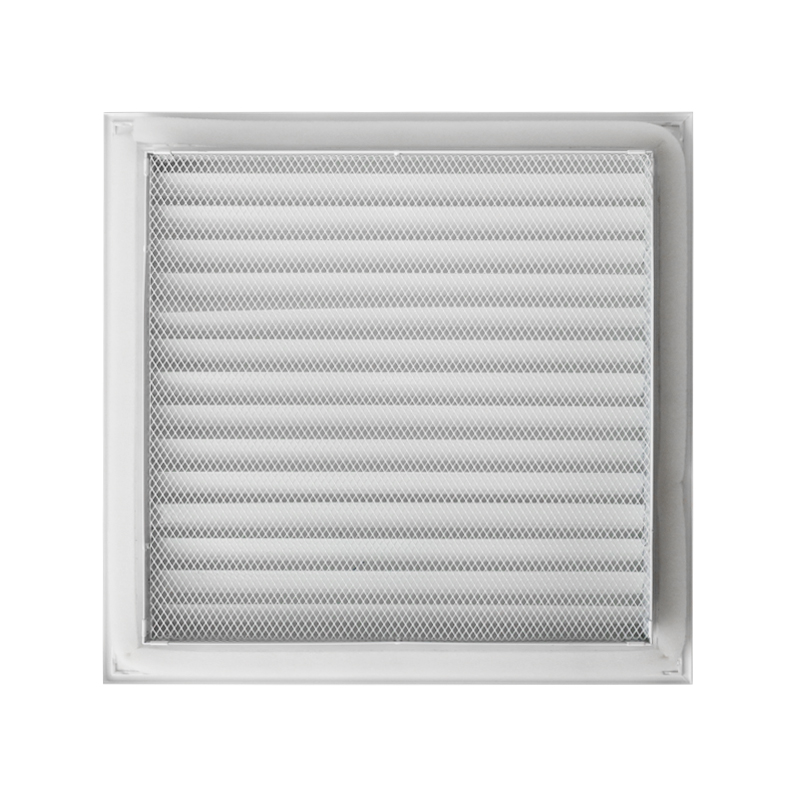
A register has adjustable dampers to control airflow and is used for supply air. A grille is typically fixed and used for return air, though the terms are sometimes used interchangeably in casual conversation.
Vent covers should be vacuumed monthly and washed with soap and water every 6-12 months. The ducts themselves should be inspected and potentially professionally cleaned every 3-5 years, depending on household factors like pets and allergies.
Generally, no. Modern forced-air HVAC systems are designed for a balanced airflow. Closing too many vents increases static pressure, making the system work harder, potentially reducing efficiency and causing damage.
Vent sizing is calculated based on the room's CFM requirement, which depends on room size, function, and the overall system capacity. This is a complex calculation best performed by an HVAC designer using Manual D principles.
Mold indicates excess moisture. This can be caused by high humidity, a leaking duct in a damp space (like an attic or crawlspace), or cold air from the vent condensing on a warmer grill frame. Controlling humidity within the 40%–60% range and checking duct insulation are the first steps.

Contact Us
SHUNSHI provides a range of technical support services to ensure that customers are able to properly select, install and maintain these products.
Products
Access Panels GuideContact
Tel: 86-15988108762
86-572-8298792
Fax: 86-572-8298792
E-mail: [email protected]
No.281 Mingzhu Main Road, Leidian Town, Deqing, Huzhou, Zhejiang, China, 313219

 English
 Español
 عربى
عربى